


Wild elephants in captivity die young because they remember too much, too well
Since they breed poorly in captivity, there is constant demand for wild specimens.

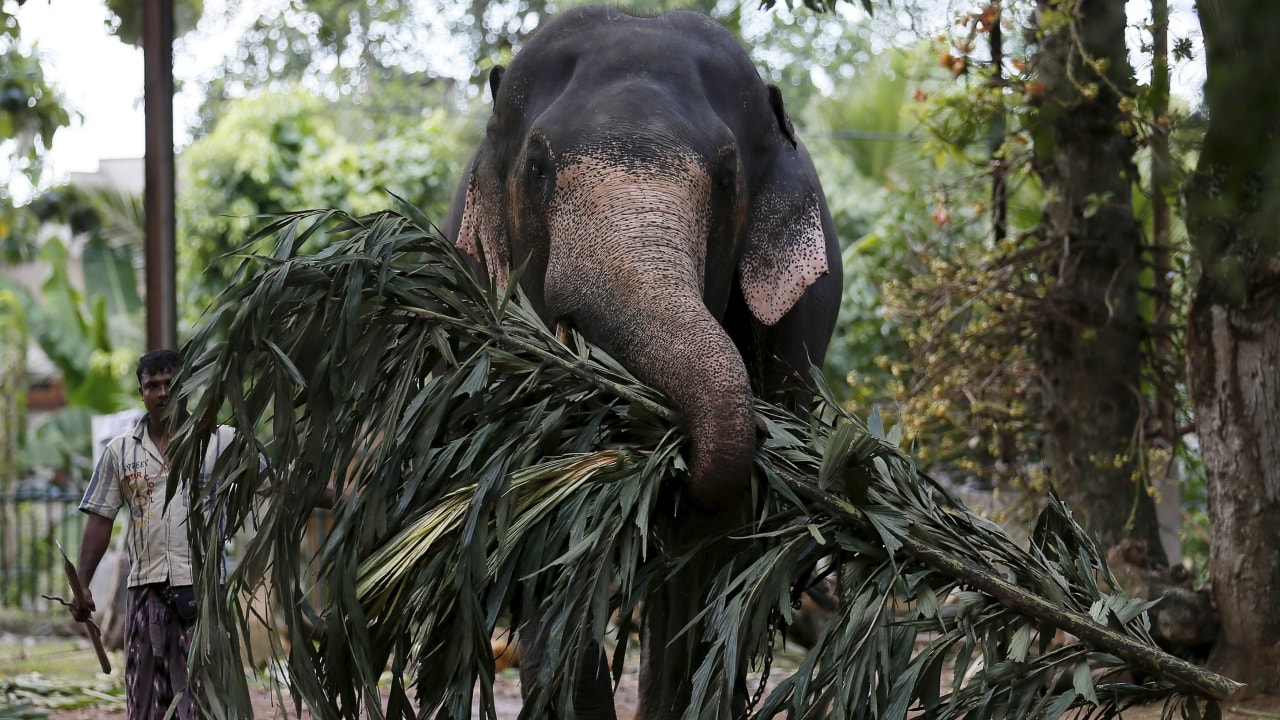
Representational Image. Reuters[/caption]Earlier research has shown that both African and Asian elephants are highly social. Calves separated from mothers, for example, can suffer long-lasting trauma.Indeed, for this reason traffickers selling the animals into Thailand's tourist trade or Myanmar's logging industry generally avoid taking calves under five years old that still suckle their mothers.Currently, there are some 5,000 adult elephants toiling in Myanmar, the vast majority dragging freshly cut tree trunks through the dense jungle to transport hubs and mills.Carrying scarsSince they breed poorly in captivity, there is constant demand for wild specimens.In Myanmar, the highly valuable animals are protected by government regulations that mandate maximum work loads and rest periods. Timber industry elephants have holidays, maternity leave and a mandatory retirement age. Most work during the day and are released to forests during the night to forage and socialise, with both captive and wild peers."Captive-born working timber elephants in Myanmar live as long as wild ones," Lahdenpera noted.But the study, published in Nature Communications, highlighted the cost to these majestic creatures of the violent transition from jungle to a life of servitude."Wild-caught elephants carry the scars from their capture for a long, long time," said Lahdenpera."We should find an alternative and better methods to boost the captive populations."The scopeThe worst environments for elephants are zoos, which shorten lifespans most of all.Asian elephants — Elephas maximus — used to roam across most of Asia, but are today restricted to 15 percent of their original range. Of the 45,000 remaining, about a third live in captivity.The species is listed as "endangered" on the International Union for the Conservation of Nature Red List.Some Asian elephants live well into their 70s.

Careless Whispers: Scientists discover that plants can 'talk' to each other using smells
Life on Mars? European Space Agency’s Orbiter discovers ice water deposits at equator
Microsoft briefly overtakes Apple as the most valuable company, Apple back on top again
Even NASA is facing a tough time, starts layoffs following major budget cuts
ISRO, NASA's NISAR satellite to get ready by Jan-end, will monitor Earth's snow-covered regions