


The solid-state lithium-ion battery vying to make consumer tech a whole lot safer
As long as the electrodes don't touch each other, the battery won't catch fire.

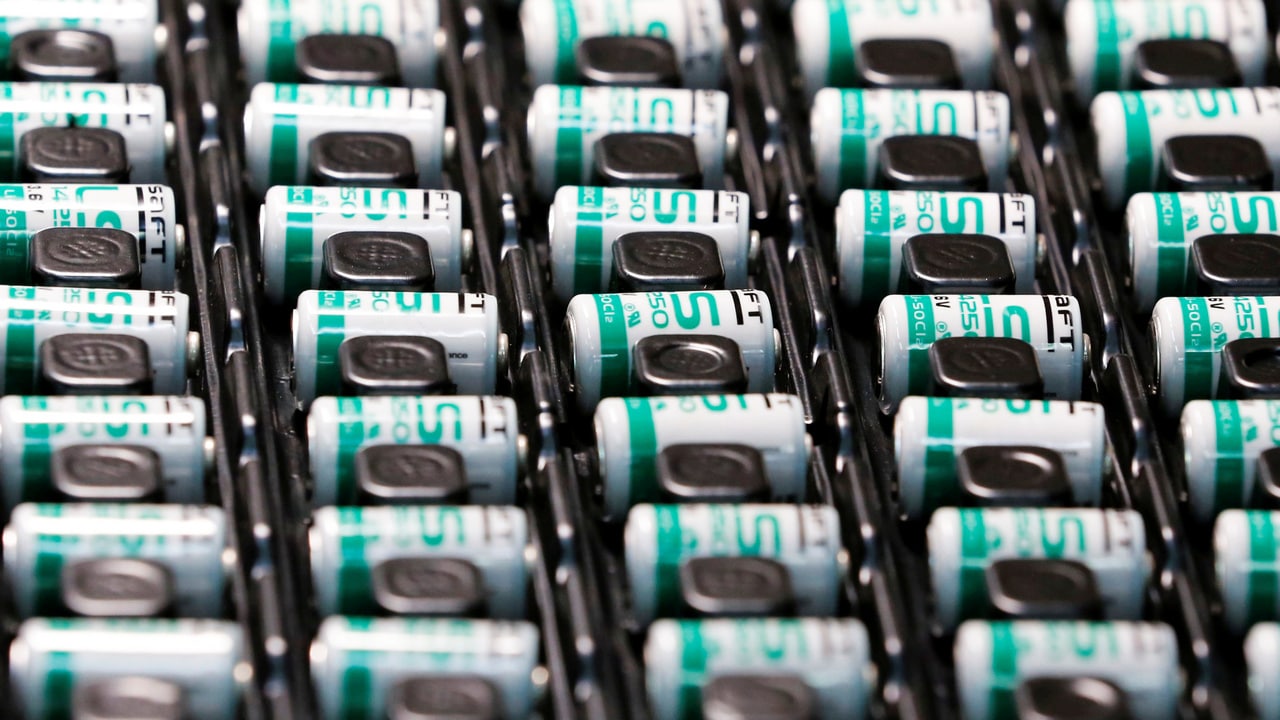
Representational image. Reuters[/caption]It solidifies when hit, preventing the electrodes from touching if the battery is damaged during a fall or crash.If the electrodes don't touch each other, the battery doesn't catch fire.Even better, incorporating the additive would require only minor adjustments to the conventional battery manufacturing process."If you put the mixture on a cookie tray, it flows like a liquid until you start poking it, and then it becomes a solid," said Veith. Once the pressure is removed, the substance liquefies again.Veith now plans to enhance the system so the part of the battery that's damaged in a crash would remain solid, while the rest of the battery would go on working.The team is initially aiming for applications such as drone batteries, but they would eventually like to enter the automotive market.The team presented the results at the 256th National Meeting and Exposition of the American Chemical Society (ACS) in Boston on 22 August, Wednesday.

Careless Whispers: Scientists discover that plants can 'talk' to each other using smells
Life on Mars? European Space Agency’s Orbiter discovers ice water deposits at equator
Microsoft briefly overtakes Apple as the most valuable company, Apple back on top again
Even NASA is facing a tough time, starts layoffs following major budget cuts
ISRO, NASA's NISAR satellite to get ready by Jan-end, will monitor Earth's snow-covered regions