


Supercomputer simulations could help solve mystery behind formation of moon
Astronomers tried colliding a non-spinning version of Theia with Earth but that resulted in a satellite with around 80 percent of the mass of the Moon.

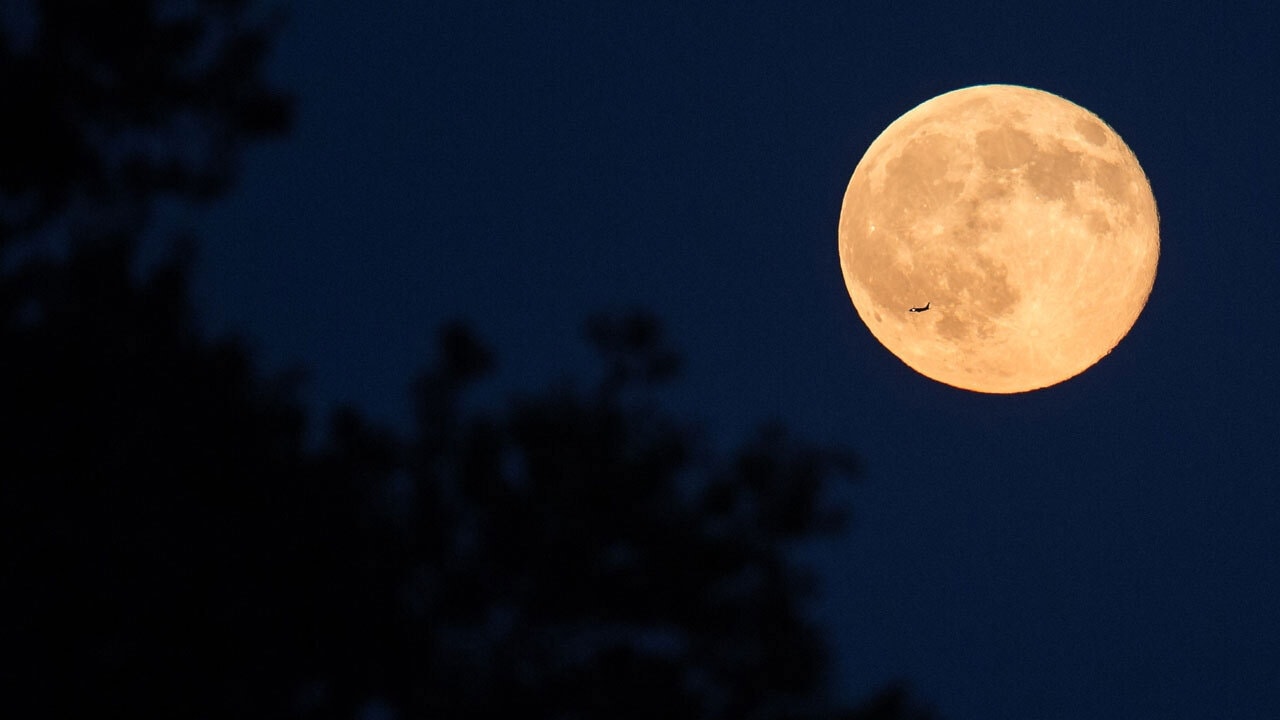
the most widely supported theory is 'the giant-impact theory' which suggests that the Earth had a collision with another body and formed the moon. Image credit: NASA[/caption]Researchers at Durham University have based their representations on the last theory in order to see what kind of a collision actually led to the formation of the lunar body. The mars-sized planet which had most likely collided with Earth is called Theia and the researchers have tried to control the velocity of Theia, its angle of impact and rotational rate to cause the collision as it might've happened around 4.5 billion years ago.Astronomers tried colliding a non-spinning version of Theia with Earth but that resulted in a satellite with around 80 percent of the mass of the Moon. Again, when a small amount of spin was added to Theia, a second Moon on orbit around Earth was formed.As per the press statement, the collisions were resulting in the formation of a small clump that was settling into an orbit around the post-impact earth. Astronomers believe that this clump will grow in size “by sweeping up the disc of debris”. Interesting, this celestial body also contains a small iron core, similar to that of the moon. Also, its outer layer is made from materials found on the ancient earth and Theia.The researchers are not fully sure that this is how the moon was formed many billion years ago but given the similarities in composition, it looks like a great place to keep exploring.The study has been published in the journal Monthly Notices of the Royal Astronomical Society.

Careless Whispers: Scientists discover that plants can 'talk' to each other using smells
Life on Mars? European Space Agency’s Orbiter discovers ice water deposits at equator
Microsoft briefly overtakes Apple as the most valuable company, Apple back on top again
Even NASA is facing a tough time, starts layoffs following major budget cuts
ISRO, NASA's NISAR satellite to get ready by Jan-end, will monitor Earth's snow-covered regions