


Scientists, using robotic kayaks, suggest that glaciers are melting underwater much faster than predicted
This rapid melting of the glaciers has an effect on the rest of the world and is contributing to sea-level rise.

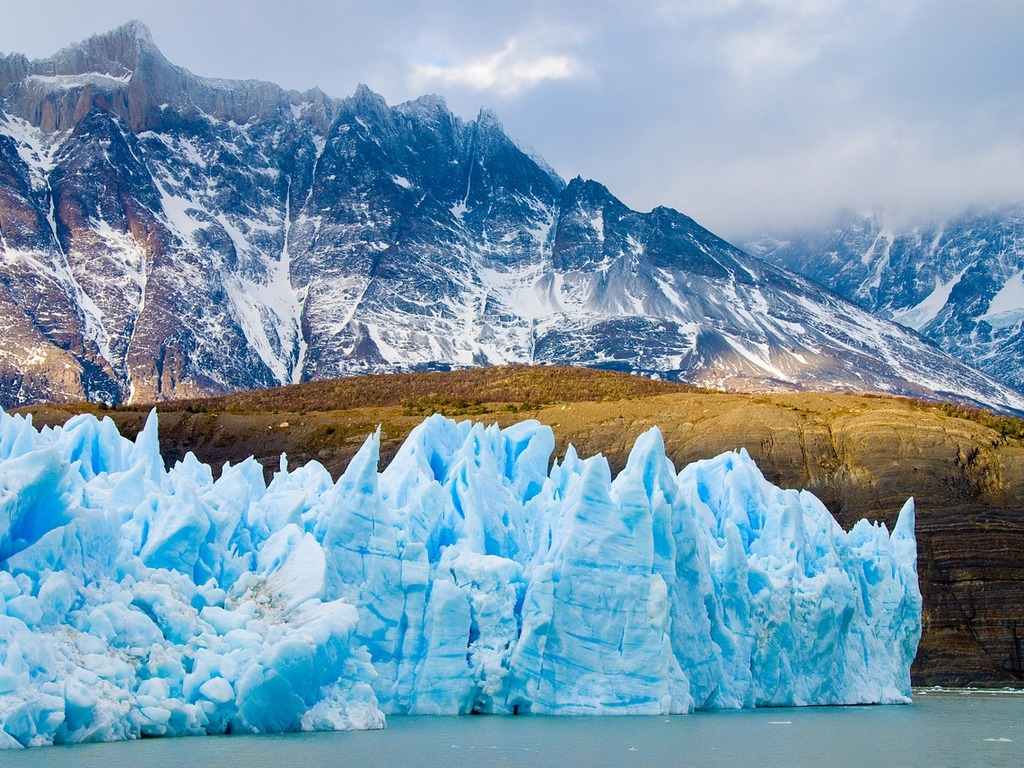
Representational image: Pixabay[/caption]According to lead author Rebecca Jackson, a physical oceanographer and assistant professor in the Department of Marine and Coastal Sciences in the School of Environmental and Biological Sciences at Rutgers University-New Brunswick, "With the kayaks, we found a surprising signal of melting: Layers of concentrated meltwater intruding into the ocean that reveal the critical importance of a process typically neglected when modelling or estimating melt rates." Jackson led the study when she was at Oregon State University.Two kinds of underwater melting occur near glaciers. Where freshwater discharge drains at the base of a glacier (from upstream melt on the glacier's surface), vigorous plumes result in discharge-driven melting. Away from these discharge outlets, the glacier melts directly into the ocean waters in a regime called ambient melting.The study follows one published last year in the journal Science that measured glacier melt rates by pointing sonar at the LeConte Glacier from a distant ship. The researchers found melt rates far higher than expected but couldn't explain why. The new study found for the first time that ambient melting is a significant part of the underwater mix.Before these studies, scientists had few direct measurements of melt rates for tidewater glaciers and had to rely on untested theory to get estimates and model ocean-glacier interactions.The studies' results challenge those theories, and this work is a step toward a better understanding of submarine melt — a process that must be better represented in the next generation of global models that evaluate sea-level rise and its impacts.

Careless Whispers: Scientists discover that plants can 'talk' to each other using smells
Life on Mars? European Space Agency’s Orbiter discovers ice water deposits at equator
Microsoft briefly overtakes Apple as the most valuable company, Apple back on top again
Even NASA is facing a tough time, starts layoffs following major budget cuts
ISRO, NASA's NISAR satellite to get ready by Jan-end, will monitor Earth's snow-covered regions