


Still charging: India's EV market is far from thriving despite policies encouraging e-mobility
Electric vehicles can be a sustainable solution for reducing air pollution in Indian cities and bring down India’s oil import bill.

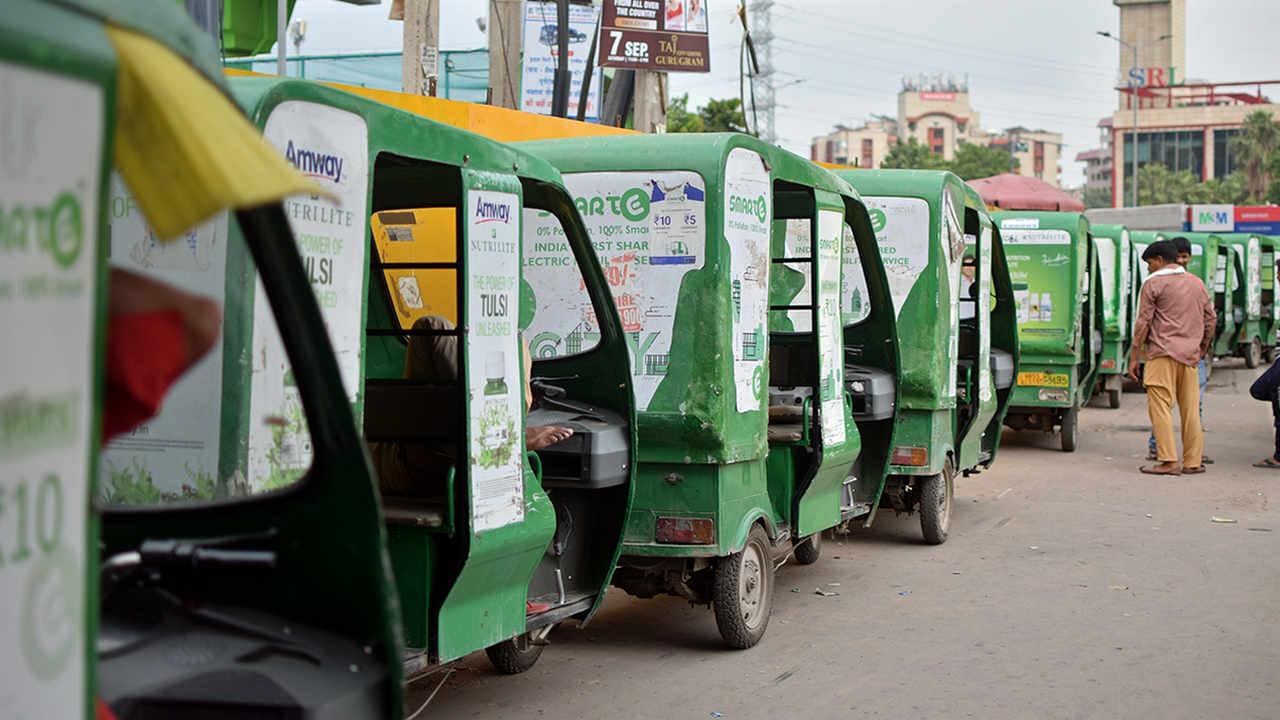
A fleet of electric rickshaws in Delhi. image credit: Arnold Joyce.[/caption]The Indian government had first started backing the development of EVs way back in 2010. The efforts though picked up momentum during the first tenure of the National Democratic Alliance government between 2014-19. In 2015, the central government had notified the FAME India Scheme (Faster Adoption and Manufacturing of Hybrid and Electric Vehicles in India) to give a boost to the EV market.Subsequently, the central government’s encouragement and support for the sector continued over the years. In September 2018, the Indian government’s think tank, the NITI Aayog, came out with a report that said India has a lot to gain by converting vehicles running on fossil fuel to EVs. It said that the country could considerably reduce its crude oil import bill and prevent pollution across the nation. For instance, the report noted that India has over 170 million two-wheelers and shifting them to EVs could, even by conservative estimates, result in saving of over Rs. 1.2 trillion annually. But it stressed that it would require a comprehensive policy regime.In the same month, the Prime Minister in a speech promised a stable policy regime for EVs as well, emphasising the government’s commitment to encourage electric mobility.Thereafter, in March 2019, the central government’s department of heavy industry notified the phase-II of FAME India Scheme for a period of three years starting April 2019 with budgetary support of Rs. 100 billion (Rs. 10,000 crores). Under this second phase, the government would support the electrification of public and shared transportation, which would include 7000 electric buses, 500,000 electric three-wheelers, 55,000 electric four-wheeler passenger cars and one million electric two-wheelers through demand incentives, according to the Indian government’s Minister of Heavy Industries and Public Enterprises Arvind Ganpat Sawant.“In addition, creation of charging infrastructure will be supported in selected cities and along major highways to address range anxiety among users of electric vehicles,” Sawant told Lok Sabha while replying to a query in July 2019.In March 2019, the union cabinet had also approved setting up of a National Mission on Transformative Mobility and Battery Storage, to drive “clean, connected, shared, sustainable and holistic mobility initiatives” which included a Phased Manufacturing Programme (PMP) valid for five years, till 2024. This programme would support setting up of a few large-scale, export-competitive integrated batteries and cell-manufacturing plants in India and creation of a PMP to localise production across the entire electric vehicle value chain.
NDA 2.0 goes big on electric vehicles
The plan to shift to EVs also fits well into the current government’s plan to combat climate change by reducing dependence on fossil fuel and reduce pollution across Indian cities.Successive reports over the past few years have highlighted that most of the Indian cities are choking from toxic air pollution which includes a significant contribution from the vehicle emissions. Inaction or lack of sufficient action by the government to tackle pollution is one of the major criticisms of the Modi government by civil society and courts.[caption id="attachment_7334601" align="alignnone" width="1000"]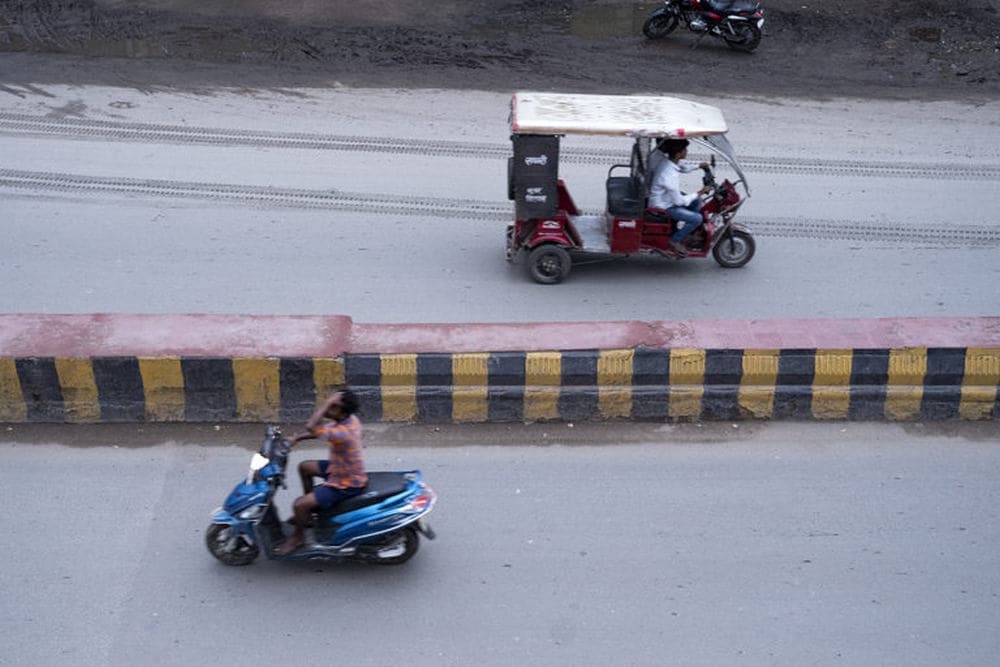 Electric vehicles, especially powered by renewable power, can be a sustainable solution for reducing air pollution in Indian cities and bring down India’s oil import bill. image credit: Kartik Chandramouli/Mongabay.[/caption]So, just before the 2019 Lok Sabha elections, when environmental issues like clean air and water emerged as major issues, especially for the urban population, the Bharatiya Janata Party in its manifesto promised a major push for e-mobility. In its manifesto, BJP had emphasised that it wants to make India a world leader in e-mobility stating that Rs. 100 billion has already been allocated for this sector and the party will further “work on this front to ensure the expansion of this new mobility experience.”Soon after winning the election, the NDA government in its second avatar has, as promised, has taken a number of decisions to encourage the sector.In the budget presented by the Finance Minister Nirmala Sitharaman, she said, considering India’s large consumer base, “we aim to leapfrog and envision India as a global hub of manufacturing of electric vehicles.”Talking about efforts to promote the use of electric vehicles, Sitharaman in her budget speech said, “Inclusion of solar storage batteries and charging infrastructure in the above scheme will boost our efforts. Government has already moved GST (Goods and Services Tax) council to lower the GST rate on electric vehicles from 12 to 5 percent. Also to make electric vehicles affordable to consumers, our government will provide an additional income tax deduction of 1.5 lakh (Rs 150,000) on the interest paid on loans taken to purchase electric vehicles. This amounts to a benefit of around 2.5 lakh (Rs 250,000) over the loan period to the taxpayers who take loans to purchase an electric vehicle.”She also announced that to further incentivise e-mobility, customs duty is also being exempted on certain parts of electric vehicles.Apart from the central government, the public sector bank State Bank of India has declared ‘green loans’ for EVs with preferential interest rates and the Insurance Development Authority of India (IRDAI) announced discounts for private EV buyers in the mandatory third-party insurance.Additionally, several state governments like Karnataka, Maharashtra, Andhra Pradesh, Telangana, and Delhi have come out with decisions to encourage the EVs.Jasmine Shah, who is the vice-chairperson of the Dialogue & Development Commission (DDC), a think tank and advisory body for Delhi government that is involved in the development of the city’s draft EV policy, emphasised that the city government started its initiatives on clean mobility around three years ago.[caption id="attachment_7334611" align="alignnone" width="1280"]
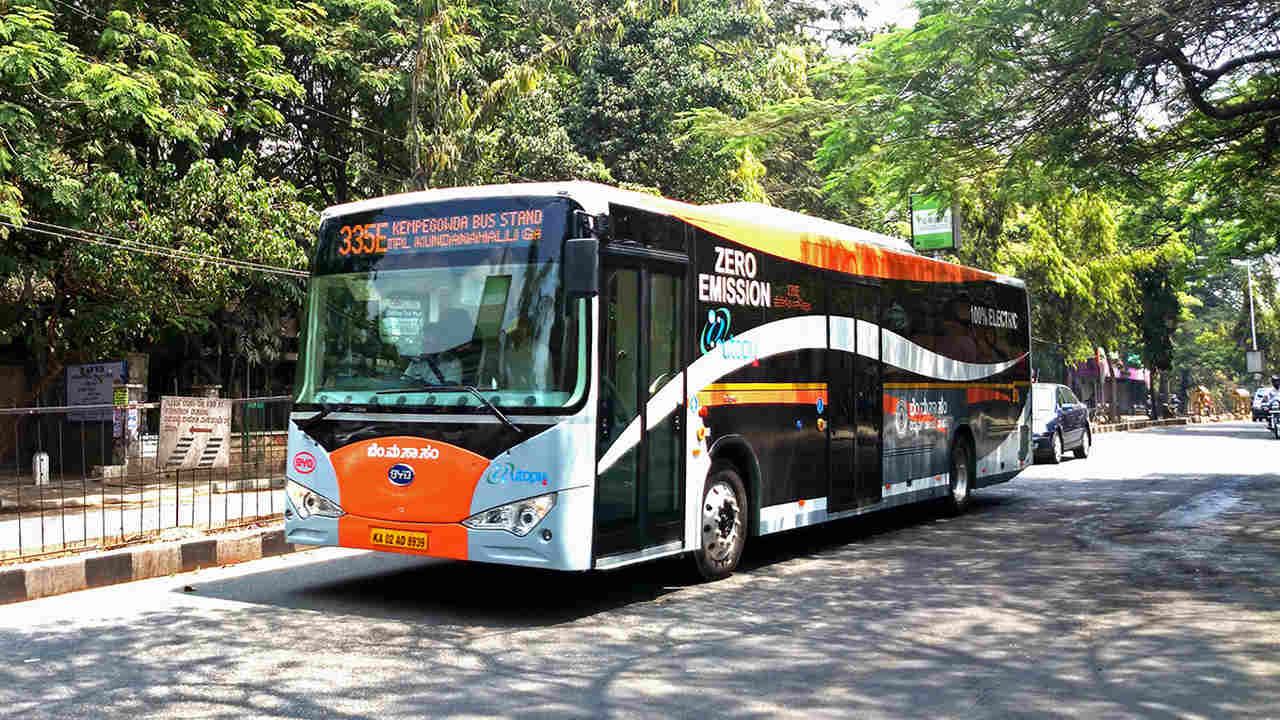 An electric bus in Bengaluru. Experts emphasise that while a lot has been done by the government to encourage e-mobility, clear goals and regulations are needed to make the transition successful.image credit:Ramesh NG/Flickr.[/caption]“We came out with a comprehensive draft EV policy last year but since then we realised the complexities … We are now at a stage of bringing out a final EV policy. In five years, we envisage a quarter of all newly registered vehicles to be electric. Delhi government has already announced the induction of 1,000 electric low floor buses to the city’s public transport fleet. Of them, 385 buses are in the advanced stage of tender evaluation. We want to ensure that the entire sector takes off …our push for EVs means supporting the entire ecosystem. We have a comprehensive vision,” said Shah.While replying to Mongabay-India’s query about whether the power to charge the EVs would be conventional energy or renewable energy, Shah said they are trying to “ensure it comes from the solar power but right now it is going to be from the grid.”He said they are also looking at other ideas like supporting the replacement of old vehicles with EVs.
Compared to other countries, India’s EV market is in the early stages

Careless Whispers: Scientists discover that plants can 'talk' to each other using smells
Life on Mars? European Space Agency’s Orbiter discovers ice water deposits at equator
Microsoft briefly overtakes Apple as the most valuable company, Apple back on top again
Even NASA is facing a tough time, starts layoffs following major budget cuts
ISRO, NASA's NISAR satellite to get ready by Jan-end, will monitor Earth's snow-covered regions