


Seagrass meadows provide essential services for marine life, need to be protected say experts
A wide range of animals depend on them, including tiny invertebrates that are a food source to fish prized by small-scale, artisanal fishing operations.

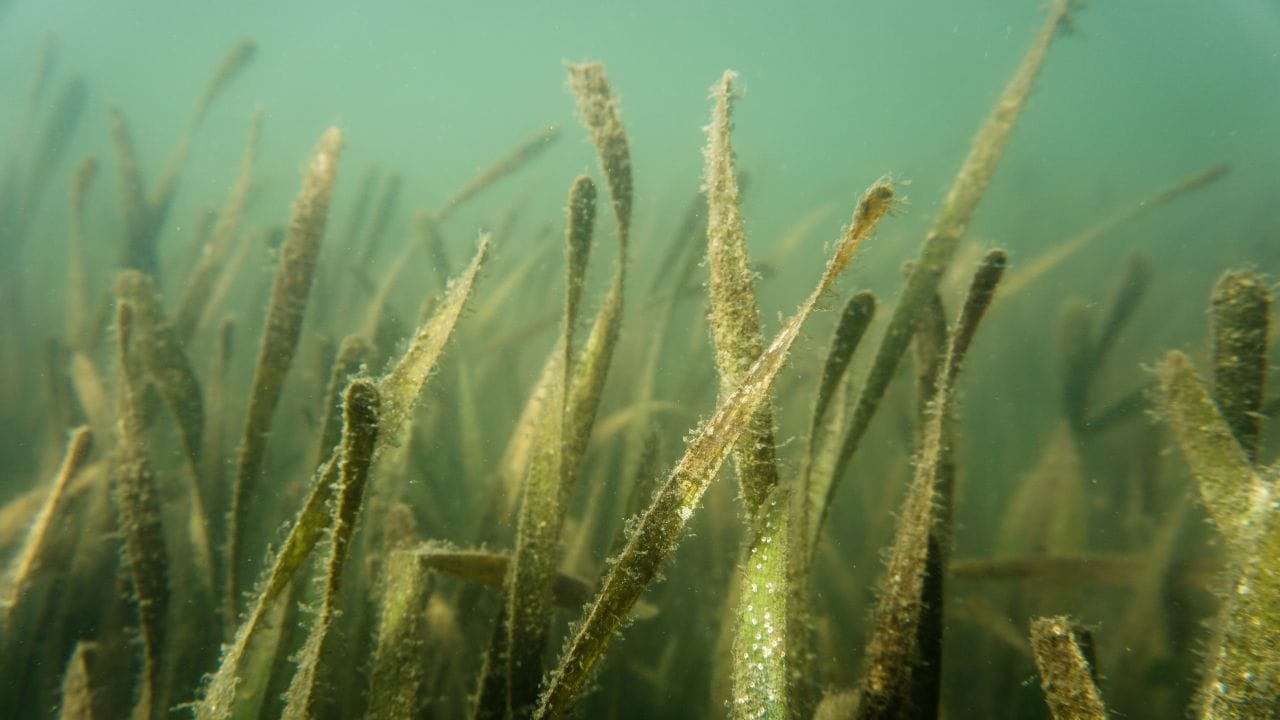
Since seagrass grows slowly — just few centimetres each year — the impact can take a long time to repair.[/caption]The Mediterranean Network for Posidonia says the real area is probably much larger than that, with data largely unavailable for countries on the sea's eastern and southern shores.But neptune grass meadows have long fallen prey to boating activity, with official figures estimating some 7,500 hectares in damage along the French coastline alone."The biggest culprit is mooring," says Thibault Lavernhe, spokesman for the Maritime Prefecture of the Mediterranean. "When a boat drops its anchor, it hits the ocean floor and has a devastating effect... that repeats when the anchor is pulled up."Since seagrass grows slowly — just few centimetres each year — the impact can take a long time to repair.In an open letter published this month in French daily Le Monde, 10 scientists from France, Italy and Spain emphasised the essential services the humble seagrass provides "to all of humanity"."Seagrass meadows serve as spawning beds and nurseries for species of fish living along our coasts from the most common to the rarest," they wrote.A wide range of animals depend on them, including tiny invertebrates that are a food source to fish prized by small-scale, artisanal fishing operations.Arnaud Gauffier, conservation director for the World Wide Fund for Nature's French branch (WWF), says the plant's ability to absorb carbon make it a crucial ally in the fight against global warming.And he says the plants protect the coastline from erosion — both when firmly rooted to the seabed and when they wash up on shore.Dead blades of grass collect along beaches and mix with sand to form large banks that protect the coastline.But for some, the phenomenon is just an unsightly inconvenience."Unfortunately the ecosystem is poorly understood," says Gauffier. "Often people just think, 'Oh no, it's a dead thing on the beach that's keeping me from swimming.'"In an effort to fight damage to Mediterranean seagrass, France has made it illegal for larger boats — measuring longer than 24 metres (79 feet) — to drop anchor in sensitive zones.Spain's Balearic islands took similar measures in 2018 and enforces them with regular patrols.Their conservation efforts, which include awareness campaigns in schools and a seagrass festival, have been highlighted as exemplary by the WWF.

Careless Whispers: Scientists discover that plants can 'talk' to each other using smells
Life on Mars? European Space Agency’s Orbiter discovers ice water deposits at equator
Microsoft briefly overtakes Apple as the most valuable company, Apple back on top again
Even NASA is facing a tough time, starts layoffs following major budget cuts
ISRO, NASA's NISAR satellite to get ready by Jan-end, will monitor Earth's snow-covered regions