


Scientists discover first active methane leak from the sea bed in Antarctica
The seepage of the methane was first discovered in 2011 by a team of divers but studies on the site began only in 2016.

The main constituent of natural gas - methane - is one of the most harmful greenhouse gases. By trapping heat, this short-lived pollutant significantly contributes to the global climate crisis. Scientists have discovered the first active seepage of methane into the atmosphere from the ocean floor and it is a matter of grave concern.
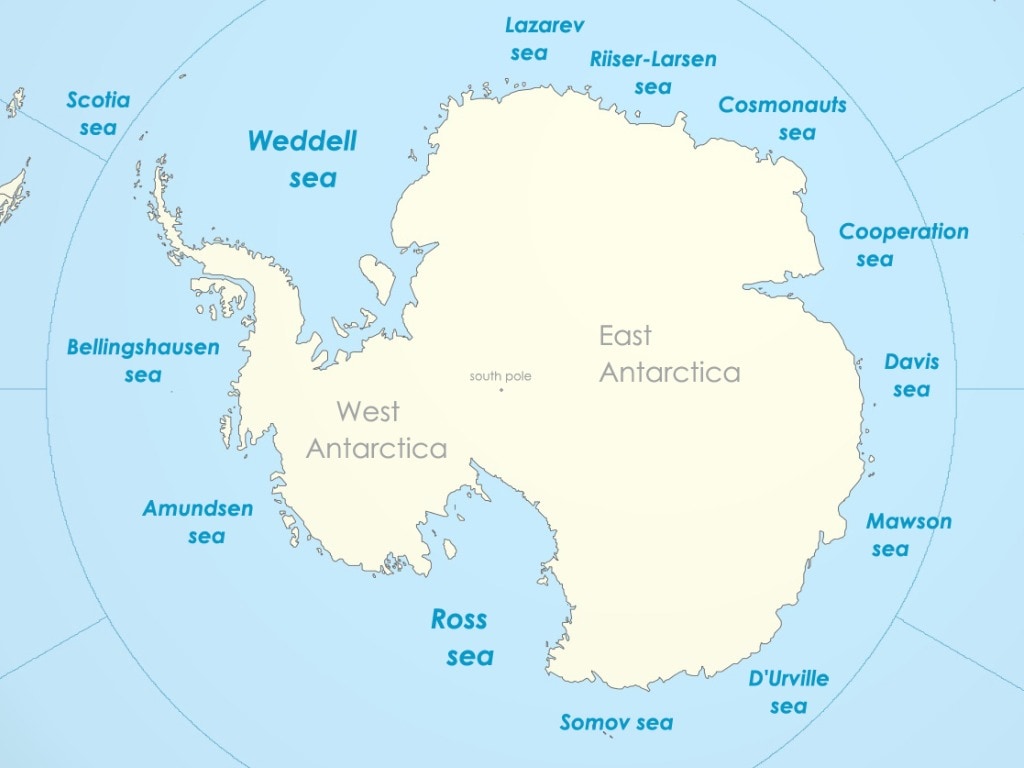
Map of Antarctica that shows the Ross sea. image credit: Wikipedia[/caption]Methane can leak into the atmosphere from various natural and man-made sources like fossil fuels, wetlands, gas hydrates under the sea bed and rice paddy fields. A large amount of the gas remains stored under the oceans and Antarctica is estimated to contain nearly a quarter of the total marine methane.
Researchers have found the active methane leak seeping from the floor of Ross Sea in Antarctica. Although there exist certain microbes which can consume the gas before it reaches the atmosphere, only a small number had arrived at the spot, especially after five years.
The seepage of the methane was first discovered in 2011 by a team of divers but studies on the site began only in 2016. The seepage of the methane, as well as the cause of it, is a mystery
 More from Science
Dr Andrew Thurber, an oceanographer at Oregon State University, US, led the study and spoke to The Guardian on the discovery. He said “It is not good news. It took more than five years for the microbes to begin to show up and even then there was still methane rapidly escaping from the seafloor.”
“The methane cycle is absolutely something that we as a society need to be concerned about,” he added. “I find it incredibly concerning.”
The release of methane from frozen underwater pockets can mean that the impact of global heating has become “unstoppable”. There is a chance that the gas had started leaking due to the ocean getting heated. But the mystery lies in the fact that the Ross Sea is yet to “warm significantly”.

Careless Whispers: Scientists discover that plants can 'talk' to each other using smells
Life on Mars? European Space Agency’s Orbiter discovers ice water deposits at equator
Microsoft briefly overtakes Apple as the most valuable company, Apple back on top again
Even NASA is facing a tough time, starts layoffs following major budget cuts
ISRO, NASA's NISAR satellite to get ready by Jan-end, will monitor Earth's snow-covered regions