


Scientists develop world's first 3D artificial eye with capabilities better than existing bionic eyes
The main feature of the eye is a 3D artificial retina, which is made of an array of nanowire light sensors copying the photoreceptors in human retinas.

Research in the field of health and medicine has reached new heights, increasing life expectancy of humans beings. Developments in the fields of science have also helped people deal with many disabilities.
One such development has surfaced which brings new hope to patients with visual impairment. An international team led by scientists at the Hong Kong University of Science and Technology (HKUST) has developed the world's first 3D artificial eye.[caption id="attachment_8473911" align="alignnone" width="1280"]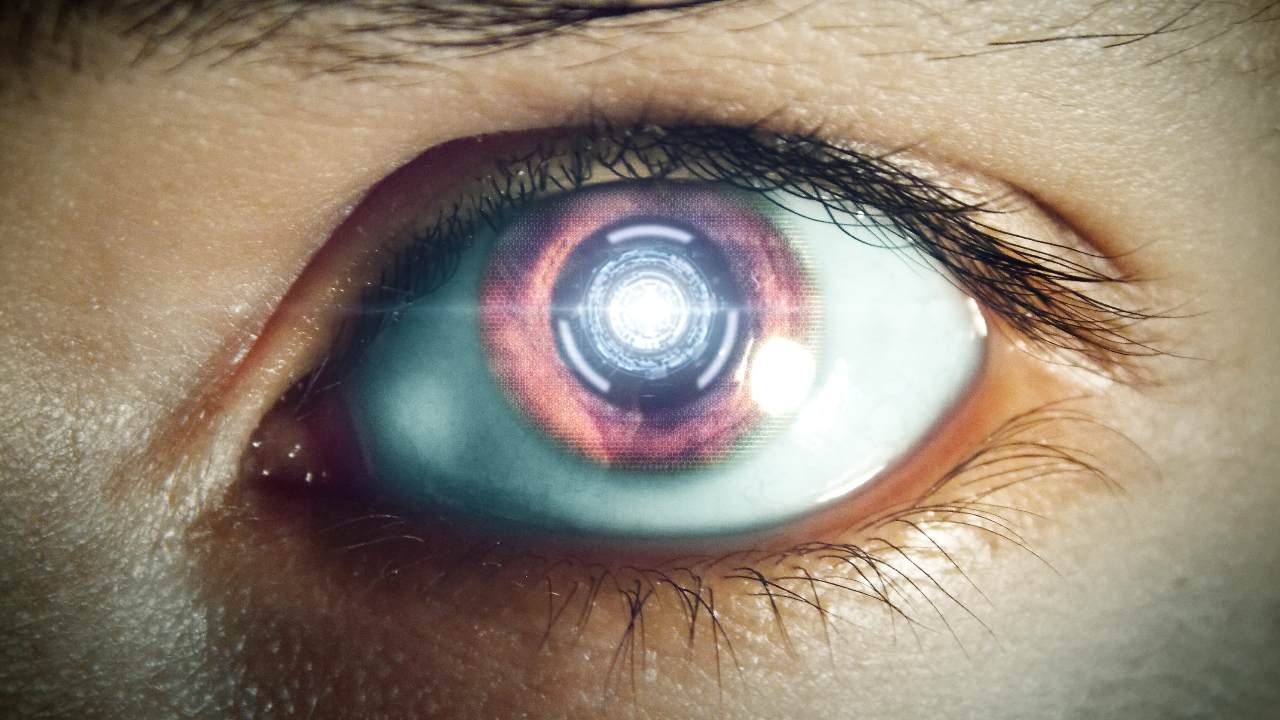
The EC-Eye not only recreates the structure of a natural eye but may actually perform extra functions such as the ability to detect infrared radiation in darkness in the future. Representational Image[/caption]It is claimed that capabilities better than existing bionic eyes and in some cases, even exceed those of the human eyes.
The team at HKUST collaborated with the University of California, Berkeley on this project and their findings were recently published in the journal Nature.
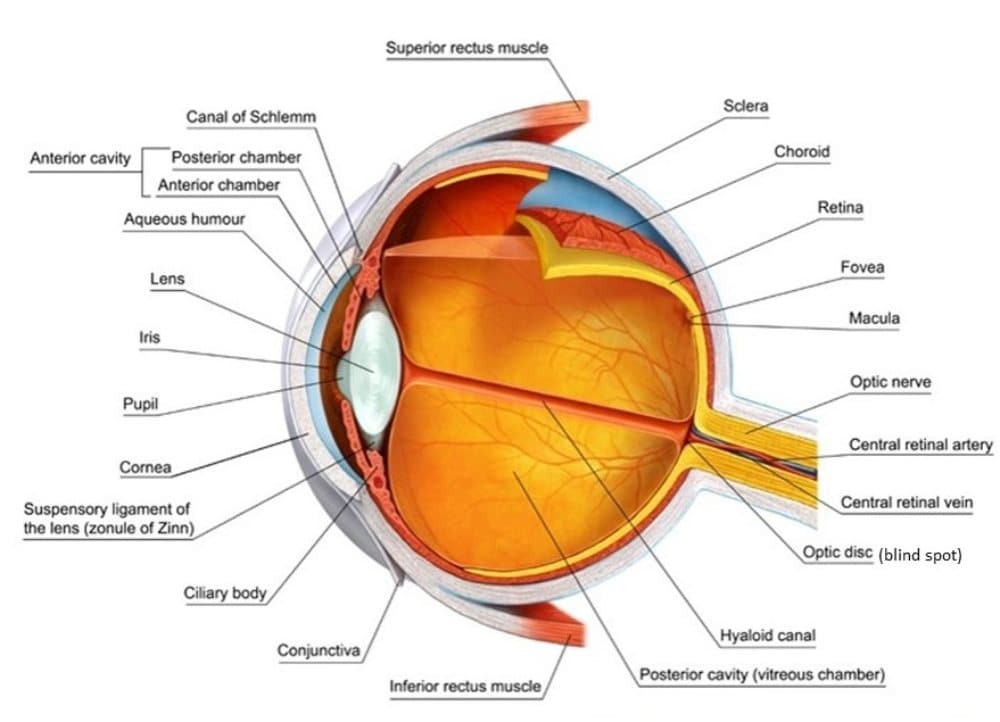
The human eye structure
Image credit: Virtual Medical Centre/Hong Kong University of Science and technology[/caption]The main feature of the artificial eye is a 3D artificial retina, which is made of an array of nanowire light sensors copying the photoreceptors in human retinas.
According to a report in Eureka Alert, these nanowire light sensors could be directly connected to the nerves of the visually impaired patients in the future. Besides, as nanowires have an even higher density than photoreceptors in the human retina, the 3D retina will be able to receive more light signals and potentially attain a higher image resolution than the human retina.
 More from Science
“Regardless of image resolution, angle of views or user-friendliness, the current bionic eyes are still of no match to their natural human counterpart. A new technology to address these problems is in urgent need, and it gives me a strong motivation to start this unconventional project," said Prof. Fan.

Careless Whispers: Scientists discover that plants can 'talk' to each other using smells
Life on Mars? European Space Agency’s Orbiter discovers ice water deposits at equator
Microsoft briefly overtakes Apple as the most valuable company, Apple back on top again
Even NASA is facing a tough time, starts layoffs following major budget cuts
ISRO, NASA's NISAR satellite to get ready by Jan-end, will monitor Earth's snow-covered regions