


Scientists accidentally stumble across life buried 3,000 ft under ice in Antarctica
Now that we know life can exist in such conditions, now we need to find out how it evolved, its food chain and other related queries.

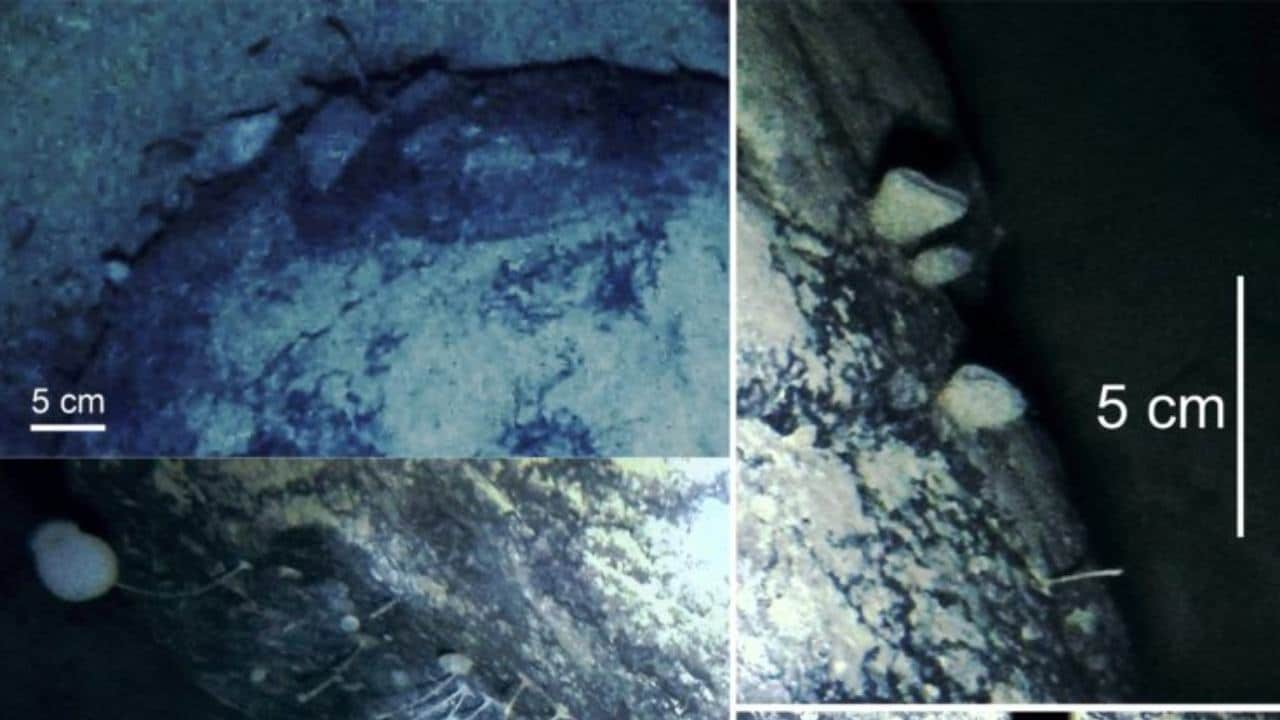
Images show the sponges and amimals shown living under the Filchner-Ronne Ice Shelf. Credit: BAS[/caption]With temperatures below -2.2 degree C and in complete darkness, finding life is always exciting and unexpected. According to the BAS statement. previous studies have found signs of life like small scavengers, fish, worms, jellyfish or krill but 'filter-feeding organisms–which depend on a supply of food from above–were expected to be amongst the first to disappear further under the ice.'Dr James Smith, a geologist at BAS, was part of the drilling team said, “We were expecting to retrieve a sediment core from under the ice shelf, so it came as a bit of a surprise when we hit the boulder and saw from the video footage that there were animals living on it.”The researchers now need to find out how these living things sustain themselves and that will be possible once they are able to collect samples and study them in-depth.
“This discovery is one of those fortunate accidents that pushes ideas in a different direction and shows us that Antarctic marine life is incredibly special and amazingly adapted to a frozen world," said Dr Huw Griffiths of British Antarctic Survey, biogeographer and lead author of the study.He added that this discovery raises more questions than answers because as we now know life can exist in such conditions, we need to know about how it evolved, its food chain and other related queries.The results of the study have been published in the journal Frontiers in Marine Science.
Careless Whispers: Scientists discover that plants can 'talk' to each other using smells
Life on Mars? European Space Agency’s Orbiter discovers ice water deposits at equator
Microsoft briefly overtakes Apple as the most valuable company, Apple back on top again
Even NASA is facing a tough time, starts layoffs following major budget cuts
ISRO, NASA's NISAR satellite to get ready by Jan-end, will monitor Earth's snow-covered regions