


Researchers use CRISPR gene editing to disrupt antibiotic-resistance in bacteria
The method doesn’t make permanent genome changes, affecting expression of bacterial genes instead

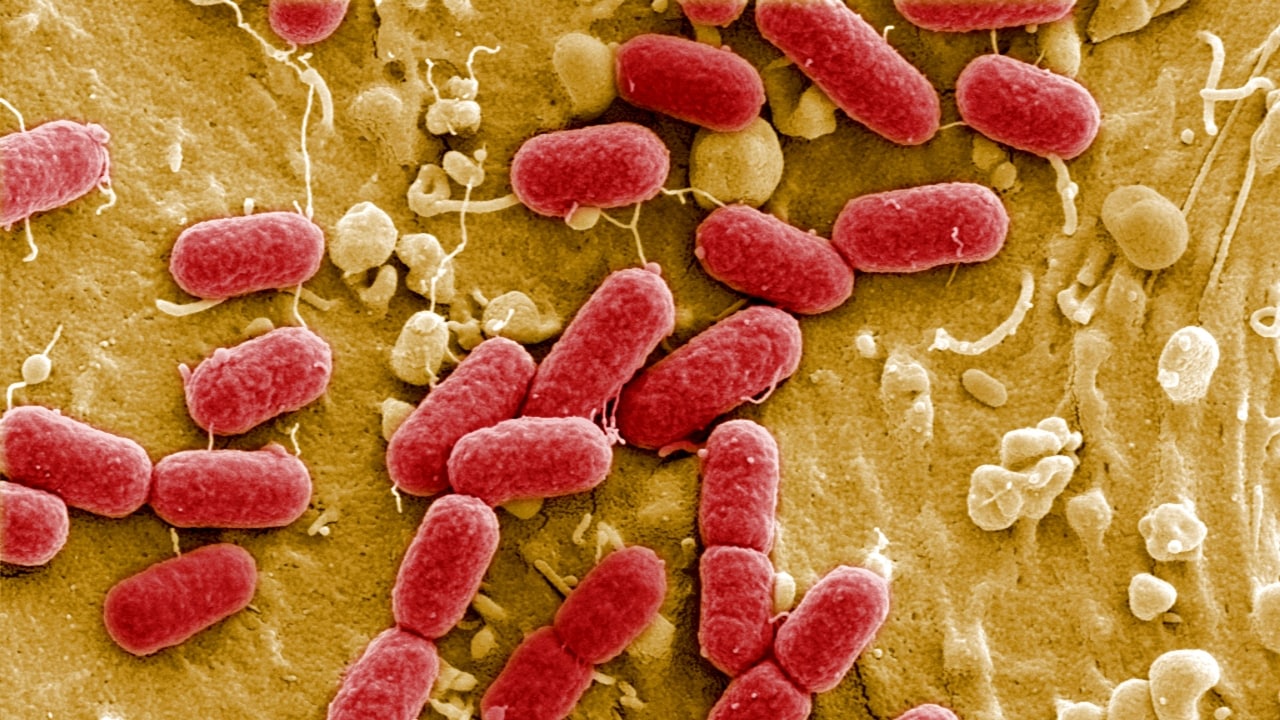
Representational Image. Reuters[/caption]“We saw that when we tweaked multiple gene expressions at the same time —even genes that would seemingly help the bacteria survive — the bacteria’s fitness dropped dramatically,” Peter Otoupal, lead author of the study said to University Press.Using this technique doesn’t alter the genome of the bacteria itself, but how the genes are expressed by the cell.“This method offers tremendous potential to create more effective combinatorial approaches,” Anushree Chatterjee, senior author of the study, said to University Press.The researchers explain that the method could be further optimized for more efficient disruptions — something the team is pursuing in ongoing research.“In the past, nobody really considered that it might be possible to slow down evolution,” Otoupal said.“But like anything else, evolution has rules and we’re starting to learn how to use them to our advantage.”

Careless Whispers: Scientists discover that plants can 'talk' to each other using smells
Life on Mars? European Space Agency’s Orbiter discovers ice water deposits at equator
Microsoft briefly overtakes Apple as the most valuable company, Apple back on top again
Even NASA is facing a tough time, starts layoffs following major budget cuts
ISRO, NASA's NISAR satellite to get ready by Jan-end, will monitor Earth's snow-covered regions