


Reduced levels of air pollution has dramatically positive effects on people's health
The study found almost immediate and substantial effects on health after air pollution was reduced.

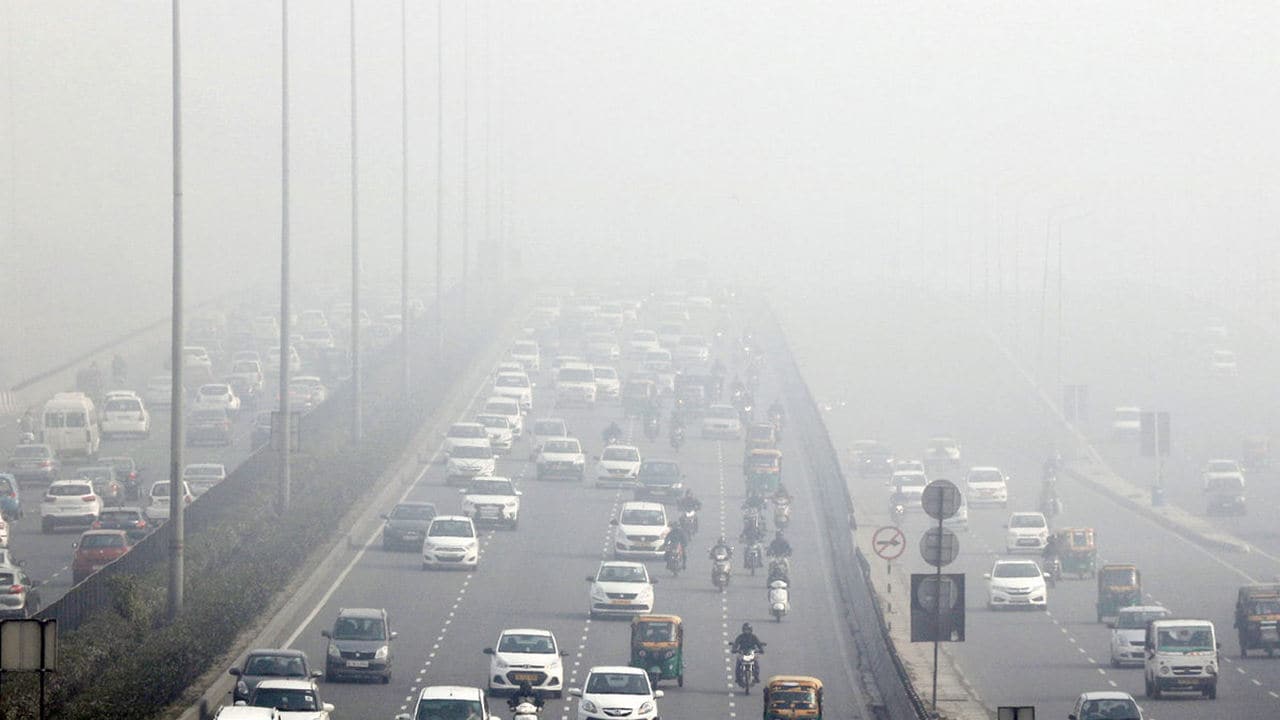
This year, Gurugram’s air quality was 17 times poorer than the prescribed safe limit by the World Health Organisation. Image credit: Vinay Gupta.[/caption]The lead author of the study Dr Dean Schraufnagel, MD, ATSF, said: "We knew there were benefits from pollution control, but the magnitude and relatively short time duration to accomplish them was impressive.""Our findings indicate almost immediate and substantial effects on health outcomes followed by reduced exposure to air pollution. It's critical that governments adopt and enforce WHO guidelines for air pollution immediately," added Dr Schraufnagel.In addition to the city-wide policies, reducing air pollution within the home also led to health benefits. In Nigeria, families who had clean cookstoves that reduced indoor air pollution during a nine-month pregnancy term saw higher birthweights, greater gestational age at delivery, and less perinatal mortality.Emissions of the major pollutants — particulate matter (PM), sulfur oxides, nitrogen oxides, carbon monoxide, volatile organic compounds, and lead — were reduced by 73 percent between 1990 and 2015 while the US gross domestic product grew by more than 250 percent.Dr Schraufnagel said: "Fortunately, reducing air pollution can result in prompt and substantial health gains. Sweeping policies affecting a whole country can reduce all-cause mortality within weeks. Local programs, such as reducing traffic, have also promptly improved many health measures.

Careless Whispers: Scientists discover that plants can 'talk' to each other using smells
Life on Mars? European Space Agency’s Orbiter discovers ice water deposits at equator
Microsoft briefly overtakes Apple as the most valuable company, Apple back on top again
Even NASA is facing a tough time, starts layoffs following major budget cuts
ISRO, NASA's NISAR satellite to get ready by Jan-end, will monitor Earth's snow-covered regions