


Recent mutations in SARS-CoV-2 virus unlikely to affect potential COVID-19 vaccines: Study
One of the mutations is of Indian origin, apart from the globally-dominant 'G-strain', accounting for about 85 percent of SARS-CoV-2 genomes reported.

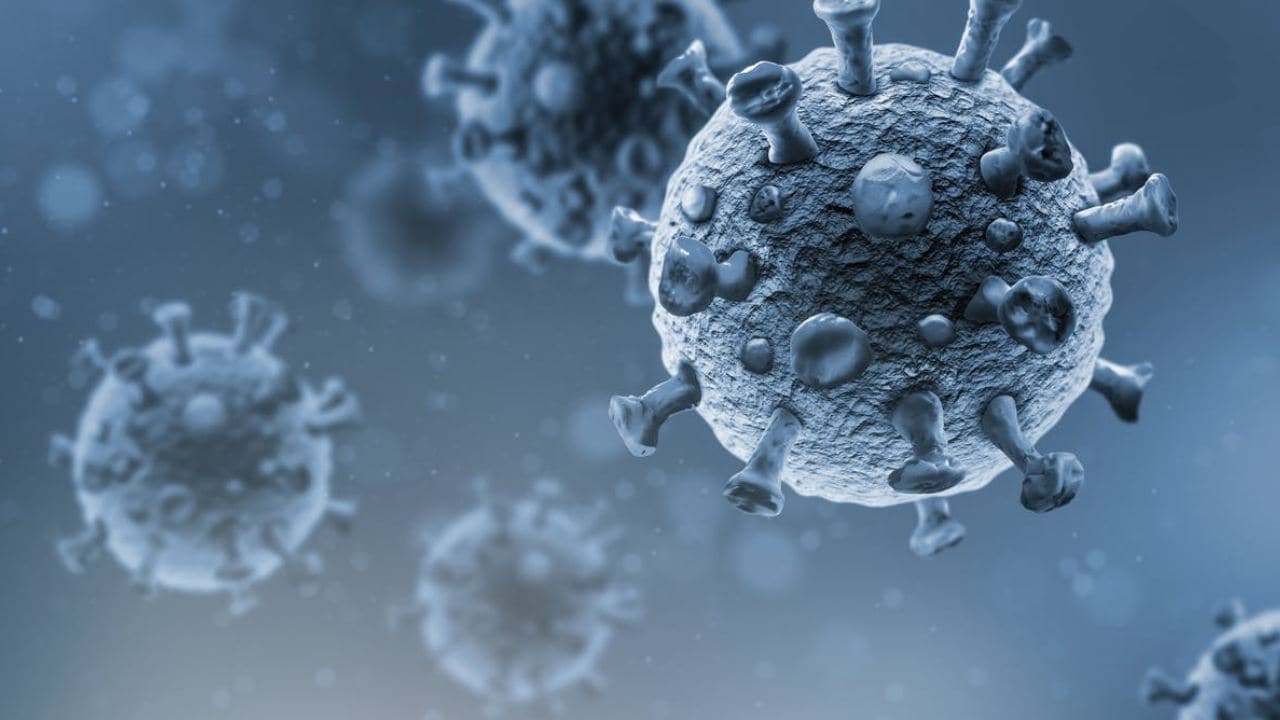
Are there places in the body where SARS-CoV-2 can hide from the immune system? fotograzia / Getty Images[/caption]The study, published in the journal npj Vaccines, tested blood samples from ferrets given a candidate vaccine against virus strains that either possessed or lacked this mutation known as 'D614G'."This is good news for the hundreds of vaccines in development around the world, with the majority targeting the spike protein as this binds to the ACE2 receptors in our lungs and airways, which are the entry point to infect cells," said Professor Seshadri Vasan, who holds an honorary chair in Health Sciences at the University of York."Despite this D614G mutation to the spike protein, we confirmed through experiments and modelling that vaccine candidates are still effective, Vasan said in a statement."We've also found the G-strain is unlikely to require frequent 'vaccine matching' where new vaccines need to be developed seasonally to combat the virus strains in circulation, as is the case with influenza," he said.CSIRO Chief Executive Larry Marshall said the research was critically important in the race to develop a vaccine."This brings the world one step closer to a safe and effective vaccine to protect people and save lives," Marshall said.

Careless Whispers: Scientists discover that plants can 'talk' to each other using smells
Life on Mars? European Space Agency’s Orbiter discovers ice water deposits at equator
Microsoft briefly overtakes Apple as the most valuable company, Apple back on top again
Even NASA is facing a tough time, starts layoffs following major budget cuts
ISRO, NASA's NISAR satellite to get ready by Jan-end, will monitor Earth's snow-covered regions