


Rare, vital plants may require an entirely different approach to conservation
The process of drying and freezing leaves the seeds of some species irrecoverably damaged.

Amidst the ocean of conservation efforts underway to preserve the species that are dying off, there is a large project that aims to preserve the rarest and most economically important plants in the world. The project is being handled by the Royal Botanic Gardens, Kew.Researchers at Kew have found that some of the most valuable and “critically endangered” plants under threat from climate change may need an entirely new approach to conservation.The current conservation strategy for plants — also the most widely used — is storing plant seeds in ‘banks’. These large repositories have thousands of plant species in a storage facility insulated from threats like seasonal variations, mutations and climate change.[caption id="attachment_5512451" align="alignnone" width="1280"]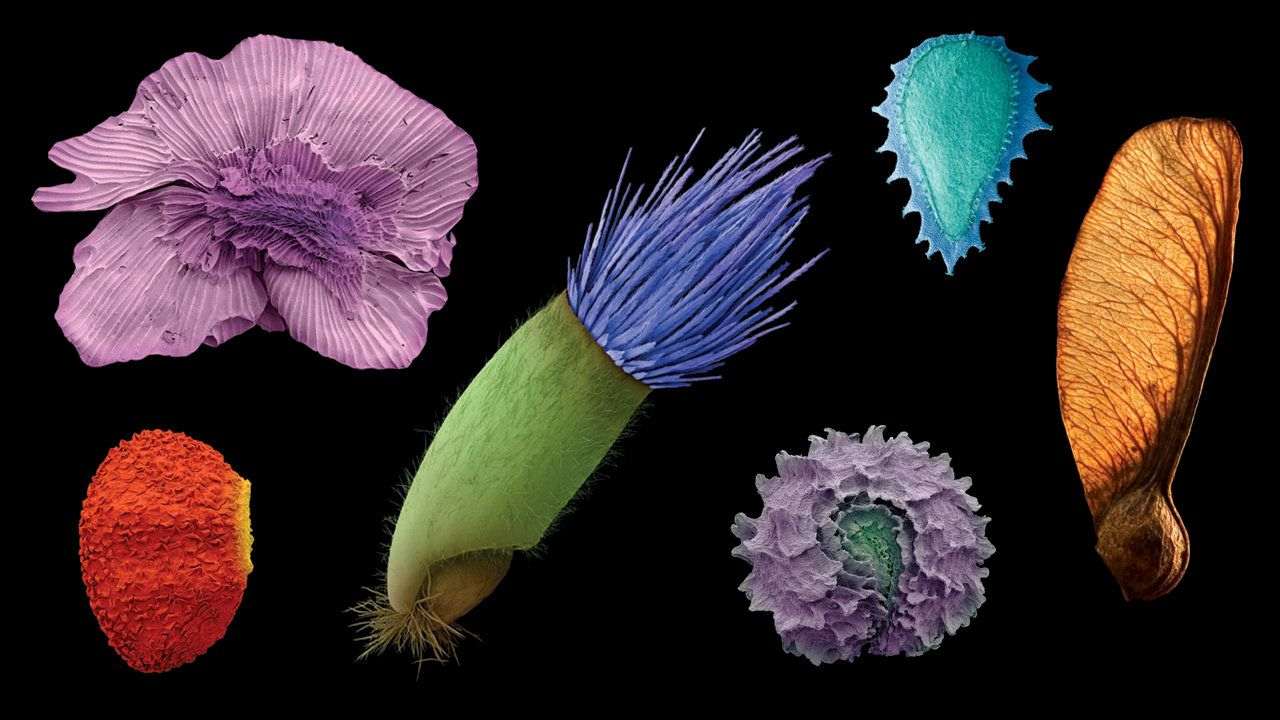 Image courtesy: University of Michigan[/caption]Over 70 percent of plant species under threat were included in a global conservation strategy in 2002. In the sixteen years since then, labs involved in conservation via seed banks dry the seeds before freezing them for preservation. The new research from Kew indicates that 36 percent of these vital and economically important plants and trees can’t be banked using this trusty old method.The process of drying and freezing leaves the seeds damaged in ways that cannot be revived and restored using conventional methods.Eight percent of all plant life produce ‘recalcitrant’ seeds that cannot survive drying — oak, mango, avocado and cacao seeds among them. Some of the more common food plants like lychees, coconuts and jackfruit are equally problematic to preserve."It's looking very crudely like some sort of 80-20 rule: 80 percent of what we've got seems to be doing perfectly well but maybe 20 percent is living shorter under conventional conditions," John Dickie, head of collections at Kew, told AFP.[caption id="attachment_5512471" align="alignnone" width="1280"]
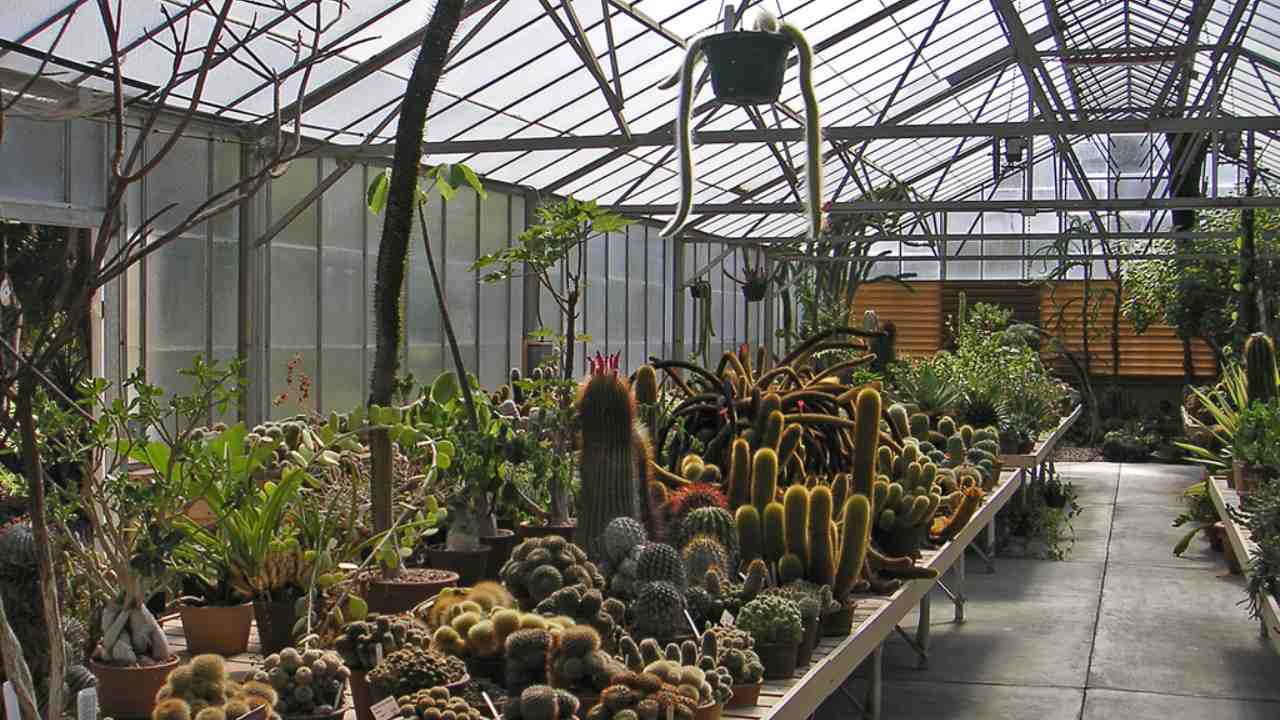 A desert garden conservatory. Image: Wikimedia Commons[/caption]Dickie and his team are looking into better methods to preserve tricky seeds. One method involves flash-freezing the seeds at a much colder temperature, skipping the drying stage altogether, which is done soon after the seeds are collected. It could prove a better way to preserve seeds, the study published in Nature Plants said.Rather than the process, however, the team believes that seeking out at-risk plant species in the tropics and updating their risk status is the need of the hour."Once you know where the population of plants is, you can get in there and then it's really a matter of getting them to a facility fast," Dickie told AFP.“As successful as seed banking is for some species, it is not suitable for all seed plants and we need to invest in other ways to safeguard these."

Careless Whispers: Scientists discover that plants can 'talk' to each other using smells
Life on Mars? European Space Agency’s Orbiter discovers ice water deposits at equator
Microsoft briefly overtakes Apple as the most valuable company, Apple back on top again
Even NASA is facing a tough time, starts layoffs following major budget cuts
ISRO, NASA's NISAR satellite to get ready by Jan-end, will monitor Earth's snow-covered regions