


Pre-embryos made in a lab to study birth defects could spur research, ethical debate
Research on human embryos is currently not open to federal funding in many countries, and many nations have prohibited it outright.

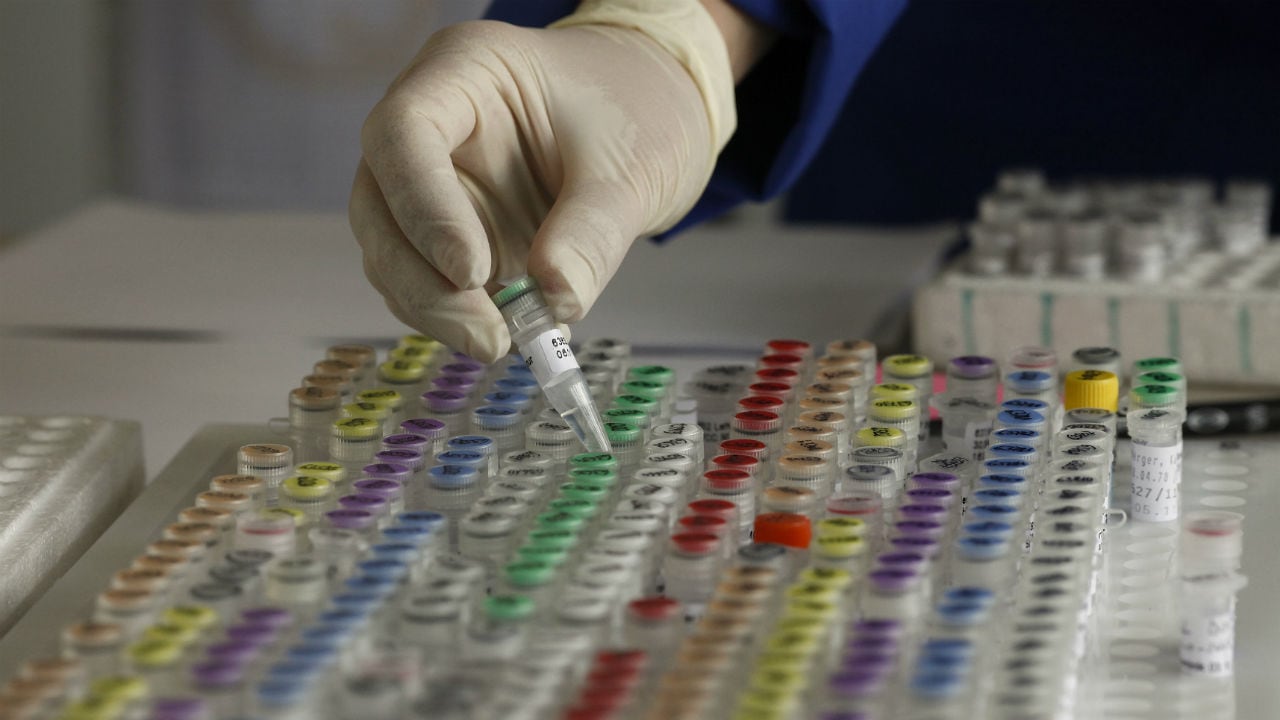
Preimplantation genetic diagnosis is a technique used to identify genetic defects in embryos created through in vitro fertilization (IVF) before pregnancy, which is banned by German legislation. Image: Michael Dalder[/caption]Scientists previously generated similar structures of mouse cells in a lab, but this is the first time they have been made from human cells. The new models correspond to about three to 10 days after fertilization, Wu said. Last year, researchers unveiled structures that model cells 18 to 21 days after fertilization.Research involving human embryos and blastocysts is currently ineligible for federal funding in the US, and several states prohibit it outright.Some scientists now use blastocysts donated from fertility clinics for research into the causes of infertility and congenital diseases. The new work should allow them to do such research at much larger scales, Polo said.“This capacity to work at scale will revolutionize our understanding of these early stages of human development,” said Polo.The scientists stressed that their creations were not intended to be used for human reproduction.“There is no implantation,” said Amander Clark, a stem cell biologist at the University of California, Los Angeles who co-authored the paper with Polo. “These structures are not transferred to a uterus or uterus-like structure,” she said. “There is no pregnancy.”The distinction between blastocysts derived from fertilization and the structures created in a lab may not be so clear-cut, said Shoukhrat Mitalipov, a human embryologist at Oregon Health and Science University who was not involved in the research.“Both groups show how closely they resemble real embryos,” he said. “If they are really as good as embryos, should they be treated as embryos?”“This brings new ethical issues,” he said. “Are they going to be covered as human embryos? Should restrictions apply?”Scientists previously tried to turn the lab-generated mouse cell structures into embryos, but they were not successful.The optimal scenario for research is to “get as close to a real embryo as possible so you can learn from it, but not a real embryo so you don’t get into debates about the moral status of embryos,” said Alta Charo, a professor emerita of law and bioethics at University of Wisconsin who was not involved in the papers.

Careless Whispers: Scientists discover that plants can 'talk' to each other using smells
Life on Mars? European Space Agency’s Orbiter discovers ice water deposits at equator
Microsoft briefly overtakes Apple as the most valuable company, Apple back on top again
Even NASA is facing a tough time, starts layoffs following major budget cuts
ISRO, NASA's NISAR satellite to get ready by Jan-end, will monitor Earth's snow-covered regions