


Powerful new gene editing tool adapted from CRISPR-Cas9 can make larger DNA repairs
The new capability to delete or replace long stretches of DNA could help researchers better understand disease conditions and ageing.

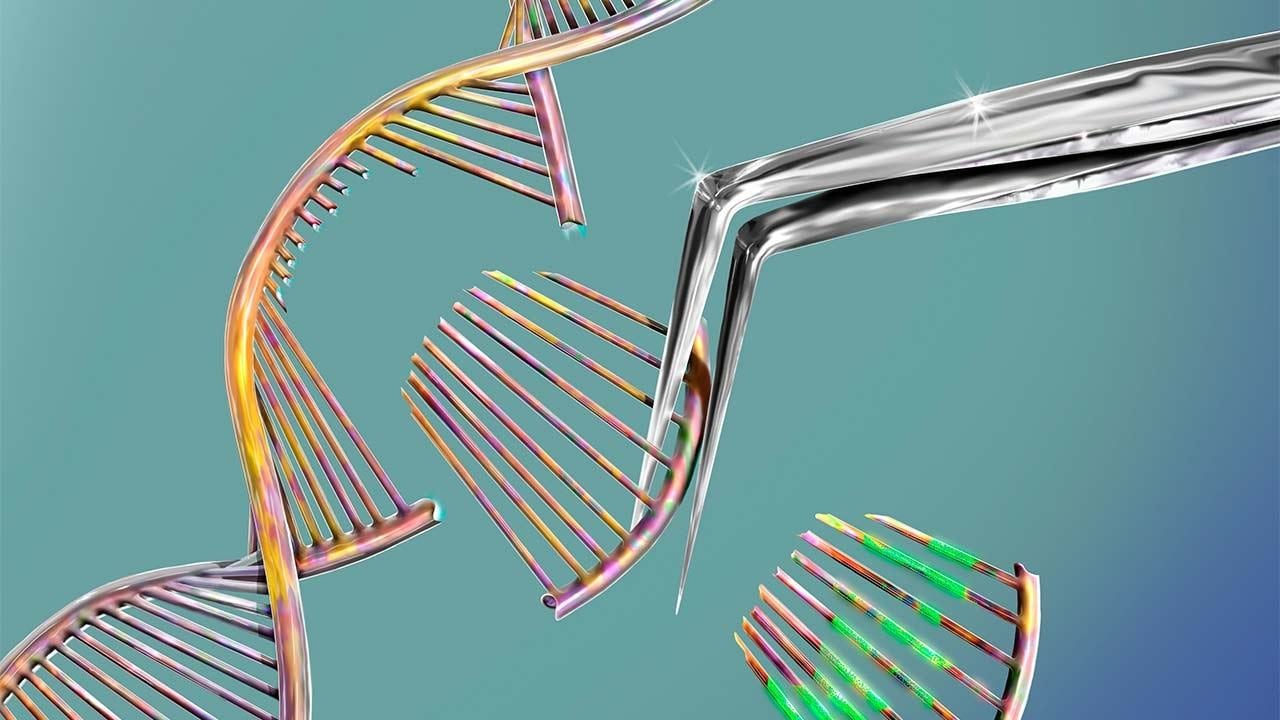
Gene editing as a technology still has a long way to go before being embraced in human trials. Image: Getty[/caption]The new capability to delete or replace long stretches of DNA will allow researchers to more efficiently assess the importance of genomic regions containing DNA sequences, and help researchers understand the pathogens that plague them. According to Bondy-Denomu, large swathes of bacterial DNA are poorly understood by CRISPR-Cas3 also should also allow entire genes to be inserted into the genome in industrial, agricultural or even in human gene therapy applications.Researchers modified the CRISPR-Cas3 system used by the bacterium Pseudomonas aeruginosa and showed that their more compact version functions well to remove selected DNA. Researchers programmed the CRISPR system to target specific DNA in the genome of an organism, after which the sequence of DNA coded into the bacteria for repairing the deletions comes into action.The researchers were able to precisely set the boundaries of these large DNA repairs.The results of the study were published in the journal Nature Methods.

Careless Whispers: Scientists discover that plants can 'talk' to each other using smells
Life on Mars? European Space Agency’s Orbiter discovers ice water deposits at equator
Microsoft briefly overtakes Apple as the most valuable company, Apple back on top again
Even NASA is facing a tough time, starts layoffs following major budget cuts
ISRO, NASA's NISAR satellite to get ready by Jan-end, will monitor Earth's snow-covered regions