


Next big challenge in Indian space research is astrobiology: Former ISRO Chief
When we go to Mars, we will need to understand the changes that a body would undergo: Radhakrishnan.

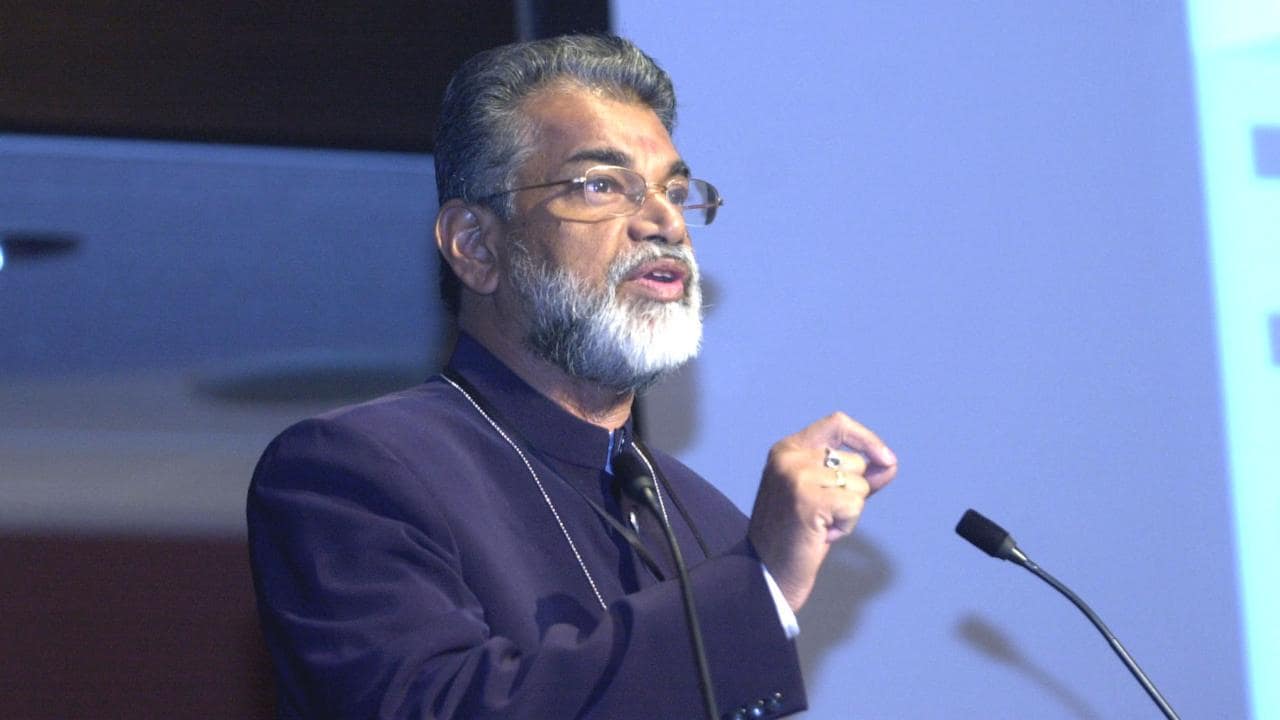
ISRO’s approach to Mars missions presently uses robots coded with artificial intelligence designed to capture high-resolution images and perform a limited range of tasks.“We are presently using artificial intelligence coded in robots. They have been defined tasks A, B, C, D” Dr Radhakrishnan was quoted as saying by Deccan Herald. “If there is something new that they see, then there is a mechanism where they get back to the control room and we design a new set of tasks for them (based on their findings).”There is huge scope in Indian space research for projects and research in astrobiology, according to Radhakrishnan, particularly studies on the toll that travelling to space and other planets for 1,000 days or more can have on the human body.“When humans go to Mars, there will be a need to understand what changes the human body will undergo… there is a major scope for astrobiology and students should take this subject up for future research," he was quoted as saying.

Careless Whispers: Scientists discover that plants can 'talk' to each other using smells
Life on Mars? European Space Agency’s Orbiter discovers ice water deposits at equator
Microsoft briefly overtakes Apple as the most valuable company, Apple back on top again
Even NASA is facing a tough time, starts layoffs following major budget cuts
ISRO, NASA's NISAR satellite to get ready by Jan-end, will monitor Earth's snow-covered regions