


Neanderthal genes passed down makes some people more prone to COVID-19 infection, a new study proposes
The Neanderthal gene was found highest in Bangladeshi ancestry, with 63 percent of its population carrying at least one copy of the risk variant.

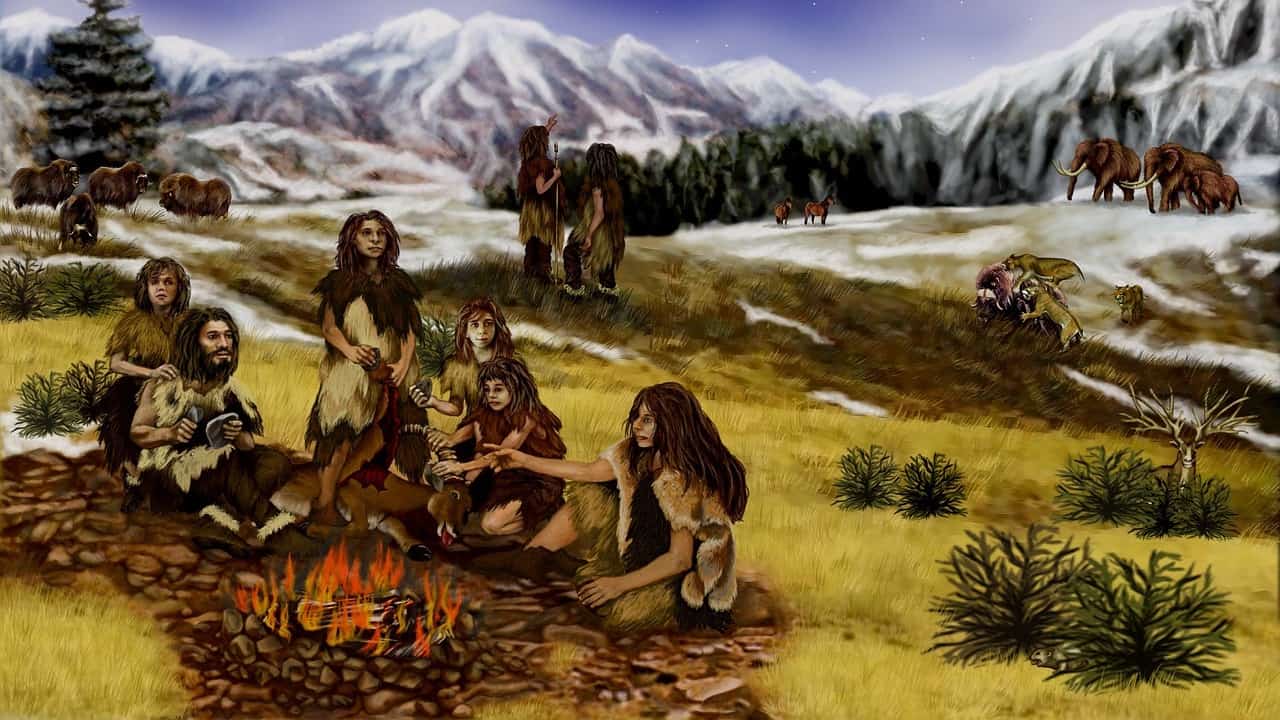
An Homo sapien invasion is among the many theories that is thought to have prompted the extinction of the Neanderthals, some 40,000 years ago. Image: Sciencemag[/caption]Ths study's researchers found that the gene in South Asia at a frequency of 30 percent, while only eight percent of Europeans have this variant.The presence of the gene is highest in Bangladesh as around 63 percent of its population carries at least one copy of the Neanderthal risk variant – called Chromosome 3.According to Paabo and Zeberg, the genes likely entered humans during cross-breeding with Neanderthals between 40,000 and 60,000 years ago.“This interbreeding effect that happened 60,000 years ago is still having an impact today,” the newspaper quoted Joshua Akey, a geneticist at Princeton University, as saying. However, Akey was not a part of this new study.Neanderthals lived alongside humans and they were very similar in appearance and size but were generally stockier and more muscular.

Careless Whispers: Scientists discover that plants can 'talk' to each other using smells
Life on Mars? European Space Agency’s Orbiter discovers ice water deposits at equator
Microsoft briefly overtakes Apple as the most valuable company, Apple back on top again
Even NASA is facing a tough time, starts layoffs following major budget cuts
ISRO, NASA's NISAR satellite to get ready by Jan-end, will monitor Earth's snow-covered regions