


NASA, Roscomos find the primary cause for Soyuz-FG rocket's booster failure
Results of the government probe into causes of the Soyuz-FG's failure will be available later this month.

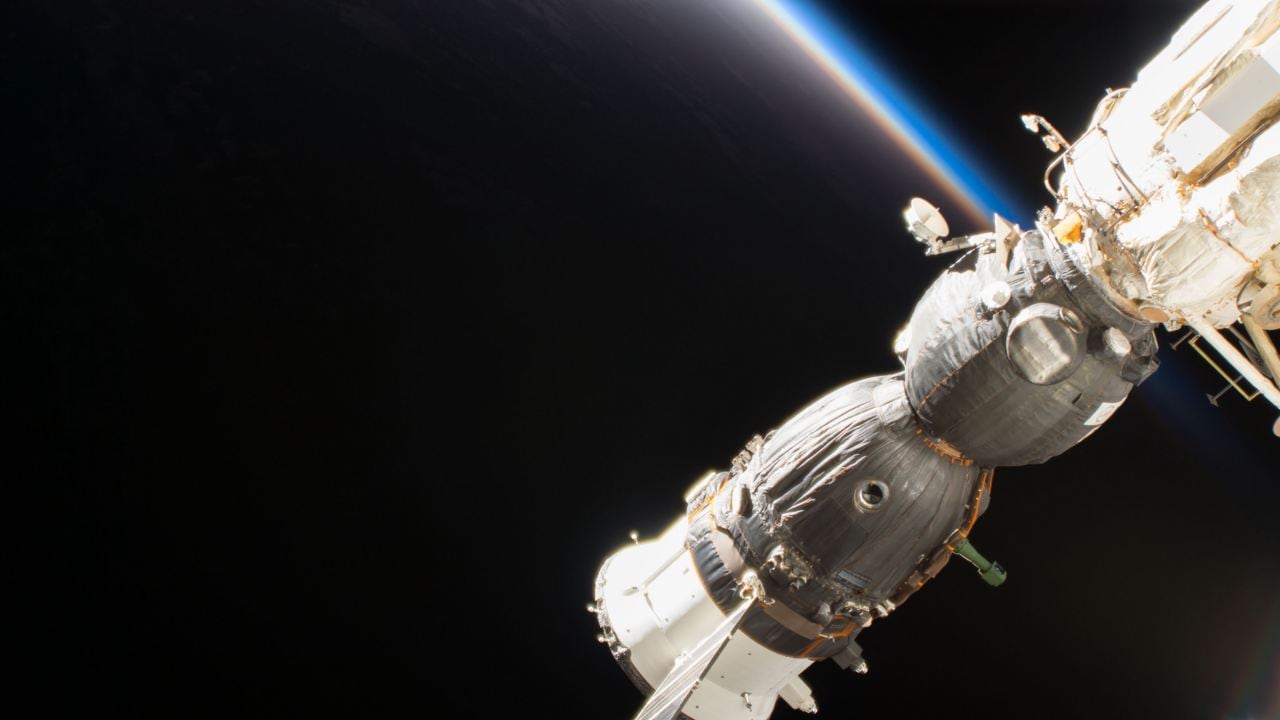
The Soyuz spacecraft from Roscosmos docked to an International Space Station module in June, 2018. Image courtesy: Flickr[/caption]The Soyuz MS-10 launched from the Baikonur Cosmodrome in Kazakhstan to the International Space Station (ISS) at 4.40 a.m. on 11 October with Russian Cosmonaut Alexey Ovchinin and US astronaut Nick Hague on board made an emergency landing after their rocket malfunctioned.According to NASA, there was an "issue with the booster" and the crew returned to Earth in a ballistic descent mode, which is a sharper angle of descent compared to normal."A deviation from the standard trajectory occurred and apparently the lower part of the second stage disintegrated. The rocket stopped its normal flight and after that, the automatic system did its work," Krikalyov said.An element of the booster's first stage collided with the second stage."This could have been caused by the failure of the system of the normal separation, which should have been activated. We will analyze the causes in detail," the Roscosmos official said.The results of the government probe into the causes of the Soyuz-FG rocket's failure will be available later this month, the report said."The panel of inquiry got down to work yesterday. The results are expected after October 20. The first components found in Kazakhstan's steppe will help find out what happened. The necessary measures will be taken afterwards and flights will be continued," Krikalyov said.He added that all rockets of this class will be authorised for use again only when the causes of the failure were clear.

Careless Whispers: Scientists discover that plants can 'talk' to each other using smells
Life on Mars? European Space Agency’s Orbiter discovers ice water deposits at equator
Microsoft briefly overtakes Apple as the most valuable company, Apple back on top again
Even NASA is facing a tough time, starts layoffs following major budget cuts
ISRO, NASA's NISAR satellite to get ready by Jan-end, will monitor Earth's snow-covered regions