


MIT researchers create gel that mimics camel fur, could help keep objects cool for days
Tests have shown that this new gel, which is less than half-inch thick, can provide cooling of more than sever degrees Celsius for five times longer than hydrogel alone.

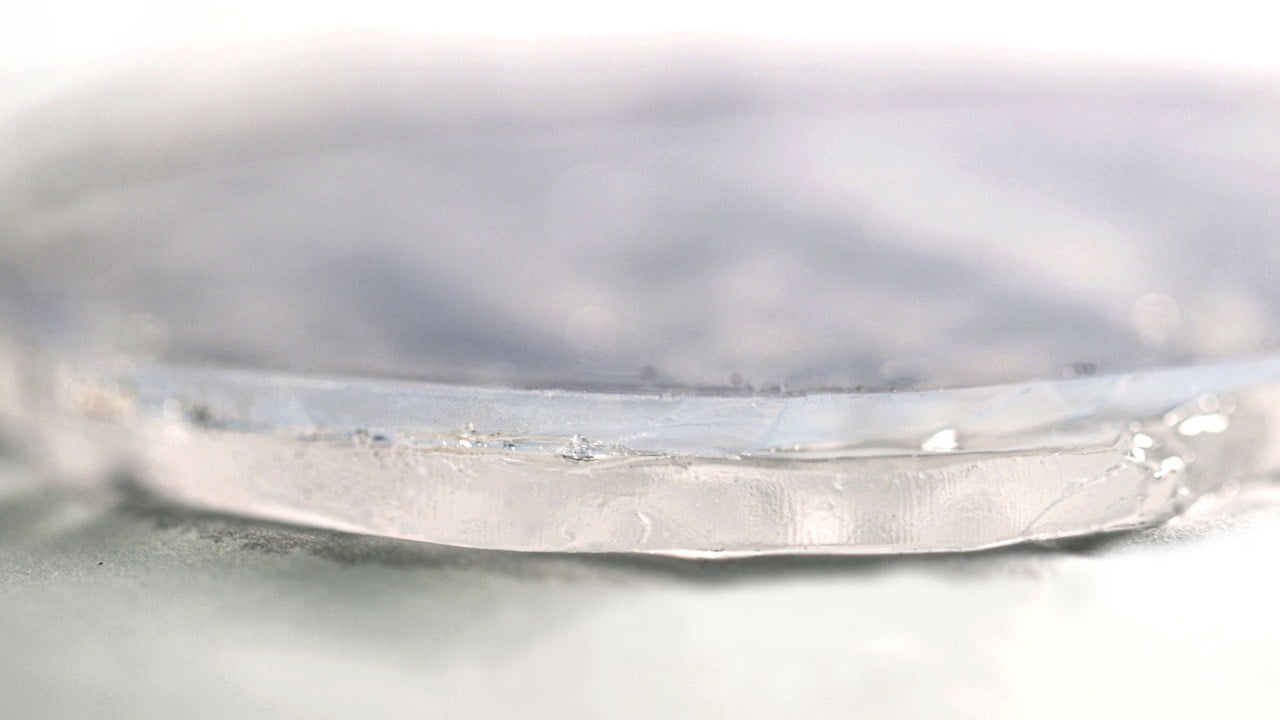
MIT researchers have developed a two-layer passive cooling system, made of hydrogel and aerogel, that can keep foods and pharmaceuticals cool for days without the need for electricity Image credit: MIT[/caption]The researchers reveal that while people will not think of wearing a camel-hair coat on a hot summer day, many desert-dwelling people tend to wear a heavy outer garment, as it turns out that a camel's coat can help reduce the loss of moisture while at the same time allow enough sweat evaporation to provide a cooling effect. According to study authors, tests have shown that a shaved camel loses 50 percent more moisture than an unshaved camel in similar conditions.The hydrogel system, developed by MIT engineers, uses a two-layer material to achieve a similar effect.The material's bottom layer substitutes sweat glands and consists of hydrogel, a gelatin-like substance that consists mostly of water and is contained in a sponge-like matrix from which water can evaporate easily. It is the covered with an upper layer of aerogel which mimics the fur by keeping out external heat while allowing the vapour to pass through easily.The tests conducted by the researchers have shown that this new two-layer material, which is less than half-inch thick, can provide cooling of more than sever degrees Celsius for five times longer than hydrogel alone.Scientist Nicola Ferralis, who was a part of the study team which devised the material, says that packaging material made from it could provide protection to perishable foods and drugs all the way from the factory to the consumer's home.“What happens in just a couple of hours can be very detrimental to some perishable foods,” he says.According to Zhengmao Lu, the lead author of the study, while for applications such as food packaging, the transparency of the hydrogel and aerogel materials is important, for other applications such as pharmaceuticals or space cooling, an opaque insulating layer could be used instead, providing even more options for the design of materials for specific uses.According to Lu, in developing countries, where access to electricity is limited, the materials could be of great benefit.He added that because the passive cooling approach does not rely on electricity alone, it gives one a good pathway for storage and distribution of perishable products in general.Researchers opine that the system could be used for food packaging to preserve freshness and open up greater distribution options for farmers to sell perishable crops. It could also be used to preserve medicines and vaccines.The findings were published in a paper in the journal Joule.

Careless Whispers: Scientists discover that plants can 'talk' to each other using smells
Life on Mars? European Space Agency’s Orbiter discovers ice water deposits at equator
Microsoft briefly overtakes Apple as the most valuable company, Apple back on top again
Even NASA is facing a tough time, starts layoffs following major budget cuts
ISRO, NASA's NISAR satellite to get ready by Jan-end, will monitor Earth's snow-covered regions