


Longest partial eclipse of century to occur on 19 November: Here's everything you need to know
The eclipse will be witnessed in large parts of Australia, East Asia, North America, South America, and the Pacific Region. In the United States, all 50 states will be able to view the partial lunar eclipse.

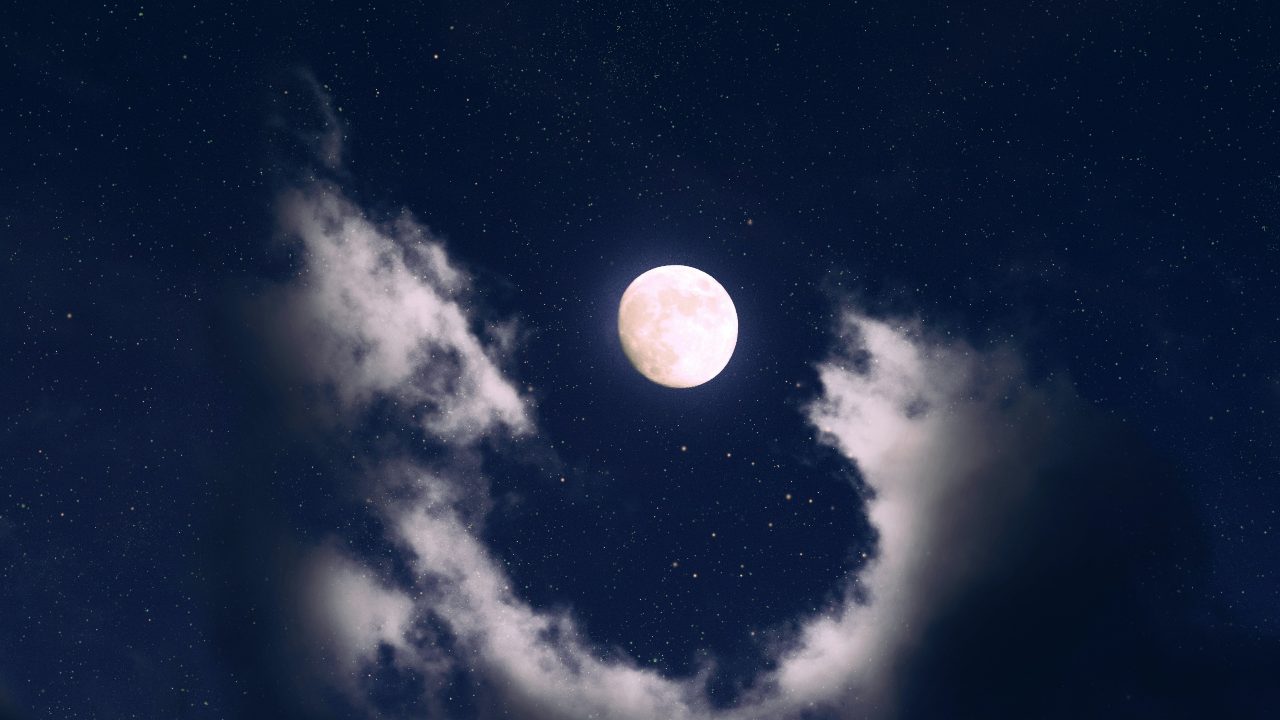
The eclipse is expected to be seen in the northeastern states of India such as Assam and Arunachal Pradesh.[/caption]Where will the eclipse be witnessed?The eclipse will be witnessed in large parts of Australia, East Asia, North America, South America, and the Pacific Region. In the United States, all 50 states will be able to view the partial lunar eclipse.The eclipse is expected to be seen in the northeastern states of India such as Assam and Arunachal Pradesh, according to NDTV. The lunar eclipse will be seen in places only where the moon is visible above the horizon.When will the eclipse peak?According to reports, the eclipse will peak at around 1:30 pm on 19 November in the country, with the Earth hiding 97 percent of the moon. The celestial body will acquire a reddish hue during this period.What happens in a lunar eclipse?The lunar eclipse will see the Moon, Earth, and Sun aligning in a straight line, with the Earth obstructing the sunlight from reaching the Moon. This makes the celestial body appear in the Earth’s shadow.During a total lunar eclipse, the Moon is completely hidden by the Earth’s umbra or cone-shaped shadow. However, in a partial eclipse, the moon is not completely covered by the Earth’s shadow. While partial eclipses may not seem as stunning as total lunar eclipses to most people, they occur more frequently, giving space enthusiasts the opportunity to witness the minor changes in the solar system that often take place before our eyes.According to NASA, a total of 228 lunar eclipses are set to occur in the 21st century. The agency said that while there are normally two eclipses in a particular month, three eclipses could also occur. The next lunar eclipse is set to take place on 16 May next year.

Careless Whispers: Scientists discover that plants can 'talk' to each other using smells
Life on Mars? European Space Agency’s Orbiter discovers ice water deposits at equator
Microsoft briefly overtakes Apple as the most valuable company, Apple back on top again
Even NASA is facing a tough time, starts layoffs following major budget cuts
ISRO, NASA's NISAR satellite to get ready by Jan-end, will monitor Earth's snow-covered regions