


Laser beams give neuroscientists new insights about brain’s 'inner GPS' system in mice study
This is the first demonstration of being able to retrieve memories of our environment using 'place cell' activation.

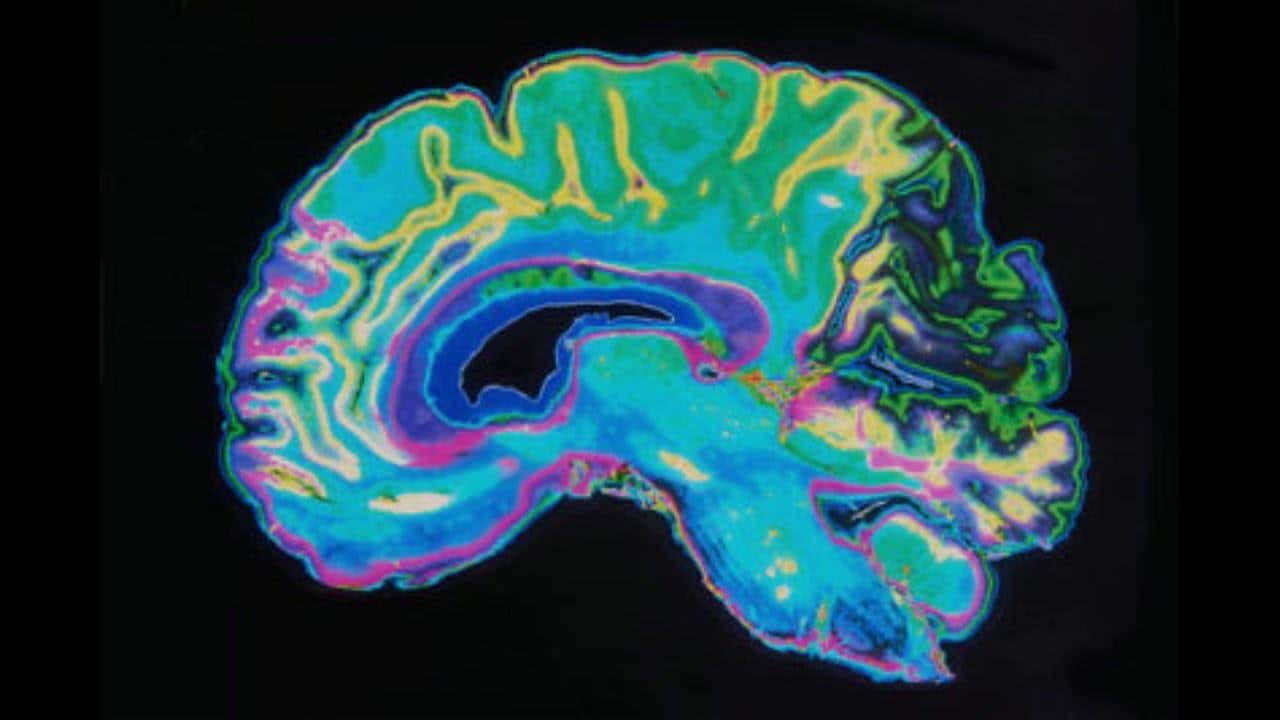
Many processes in the human brain remain a mystery to neuroscientists.[/caption]"First, they engineered neurons to express genetically encoded calcium sensors, which allow cells to light up when they are active. Second, they expressed light-sensitive 'optogenetic' proteins in the same neurons, allowing them to activate specific cells with beams of laser light".By combining these two techniques, they were able to conduct targeted activation of the place cells of the mice. These cells located in the hippocampus, the area in the brain responsible for memory and learning, normally get active when the mice are in a new area and in the lookout for new memory. When the cells were artificially activated, the mice got "mentally teleported" and felt like they were back at the place where they had saved those memories.The statement observed that "place cell stimulation" was enough to retrieve the memory of the rewarded location in the mouse so that it started looking for the reward at the new location. UCL noted that it was the "first demonstration of how the activation of place cells enables us to retrieve memories of our environment and helps us to navigate".

Careless Whispers: Scientists discover that plants can 'talk' to each other using smells
Life on Mars? European Space Agency’s Orbiter discovers ice water deposits at equator
Microsoft briefly overtakes Apple as the most valuable company, Apple back on top again
Even NASA is facing a tough time, starts layoffs following major budget cuts
ISRO, NASA's NISAR satellite to get ready by Jan-end, will monitor Earth's snow-covered regions