


Jupiter's moon Ganymede is 'whistling', surrounded by powerful plasma waves
The 'whistle' was over 1 million times as intense as other moons and planets in the vicinity.

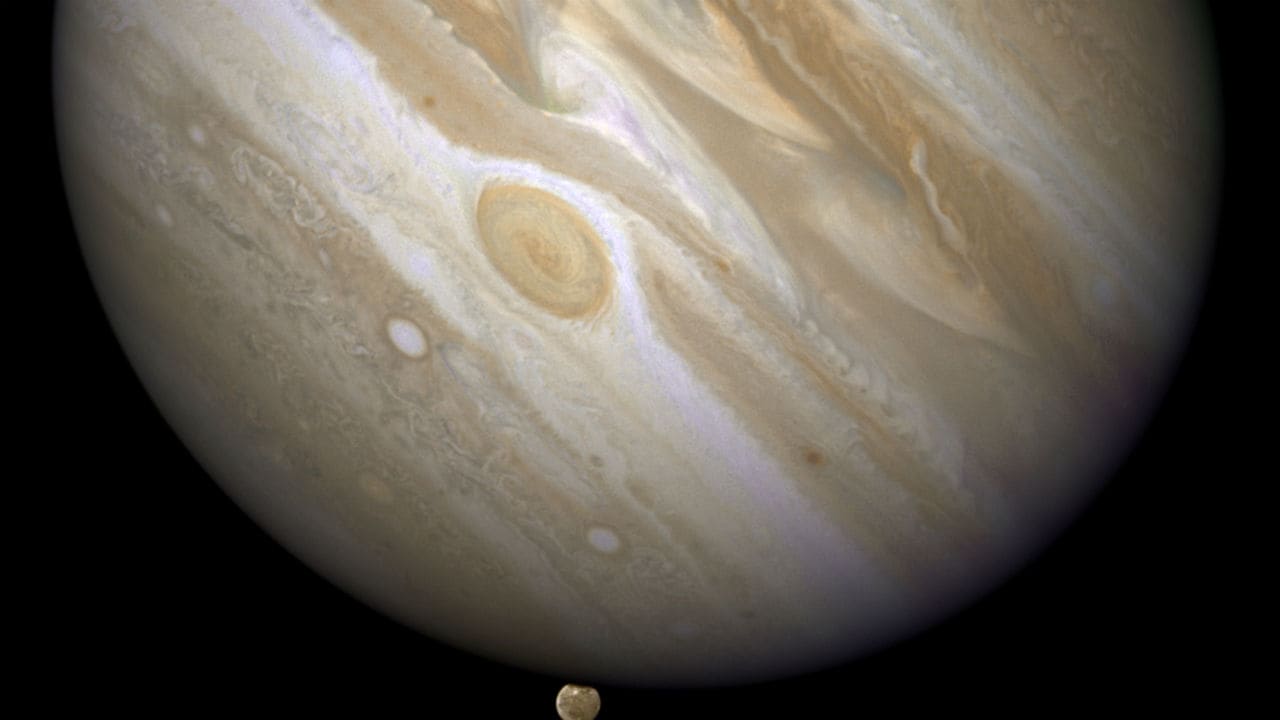
Jupiter and it's smallest moon, Europa. Image Courtesy: NASA[/caption]Chorus waves aren't just a reality in Ganymede and Europa — it is also what makes the Northern Lights aurora, and the high-energy 'killer' electrons around Earth that can damage spacecrafts.But Ganymede and Europa orbit Jupiter. They not only have magnetic fields of their own, but are enveloped in the enormous magnetic field of Jupiter — some 20,000 times as strong as Earth's. The authors describe this as a key reason for the waves being so powerful.Ganymede is also surrounded by strong plasma waves, which the new study clarifies that these aren't accidental phenomena, they appear to be systemic.The findings from Jupiter's waves has widened the fundamental understanding of plasma behaviour, also opening up the possibility of a new source of geoenergy.However, the researchers are still unsure exactly how significant their findings might turn out to be.

Careless Whispers: Scientists discover that plants can 'talk' to each other using smells
Life on Mars? European Space Agency’s Orbiter discovers ice water deposits at equator
Microsoft briefly overtakes Apple as the most valuable company, Apple back on top again
Even NASA is facing a tough time, starts layoffs following major budget cuts
ISRO, NASA's NISAR satellite to get ready by Jan-end, will monitor Earth's snow-covered regions