


JAXA-Toyota nicknames their manned moon SUV rover ‘Lunar Cruiser’ in ode to 'Land cruiser'
The nickname was given to ensure that the pressurised manned lunar rover will match the “quality, durability, and reliability” that is expected of it.

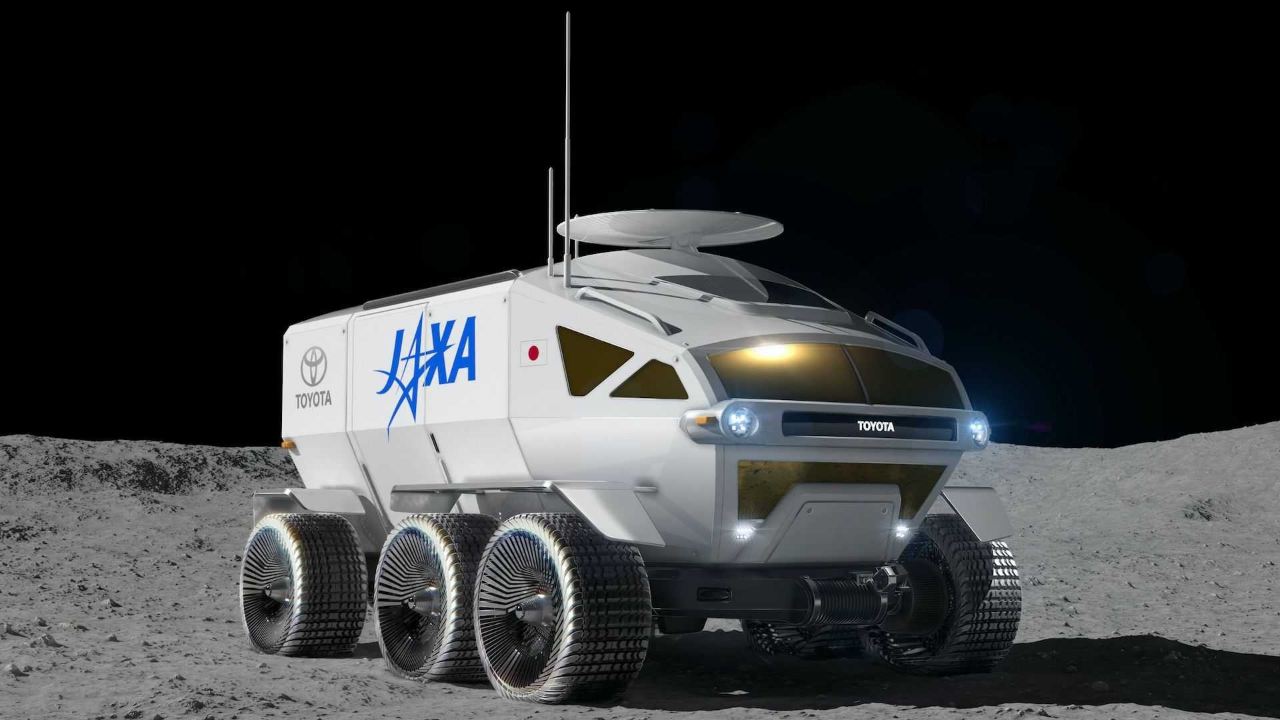
Artist's illustration of the planned Toyota/JAXA crewed rover on the moon.
(Image credit: Toyota/JAXA)[/caption]The name acts as a reference to Toyota’s popular Sports Utility Vehicle (SUV) Land Cruiser. The release said that the nickname was given to ensure that the pressurised lunar rover will match the “quality, durability, and reliability” that is expected of it. Another aspect behind the nomenclature is that of the “come back alive” concept branded around Toyota Land Cruiser.This concept will especially sit very well with the lunar mission as human beings will have to deal with the alien atmosphere upon the moon.It was also chosen due to the accustomed feeling it offers to the people involved in the development and manufacture of the vehicle prototype, as well as the familiarity it will provide the general public with, the release added.It also revealed that the corporations aim to manufacture “test parts for each technological element”, along with a prototype of the rover within this year.JAXA also revealed the appointment of new partners as part of its Team Japan Working Group. Led by JAXA, Toyota and Mitsubishi Heavy Industries, Ltd., the group was launched in August last year. Future plans of “sustaining continuous activities on the surface of the moon” will be researched under this group. Also, multiple industries in different fields are going to work together for realising the projects.

Careless Whispers: Scientists discover that plants can 'talk' to each other using smells
Life on Mars? European Space Agency’s Orbiter discovers ice water deposits at equator
Microsoft briefly overtakes Apple as the most valuable company, Apple back on top again
Even NASA is facing a tough time, starts layoffs following major budget cuts
ISRO, NASA's NISAR satellite to get ready by Jan-end, will monitor Earth's snow-covered regions