


Japanese scientist gets approval to create human-animal hybrids for organ harvesting study
Human cells are injected into rat & mouse embryos in early trials, and pigs, if early trials are successful.

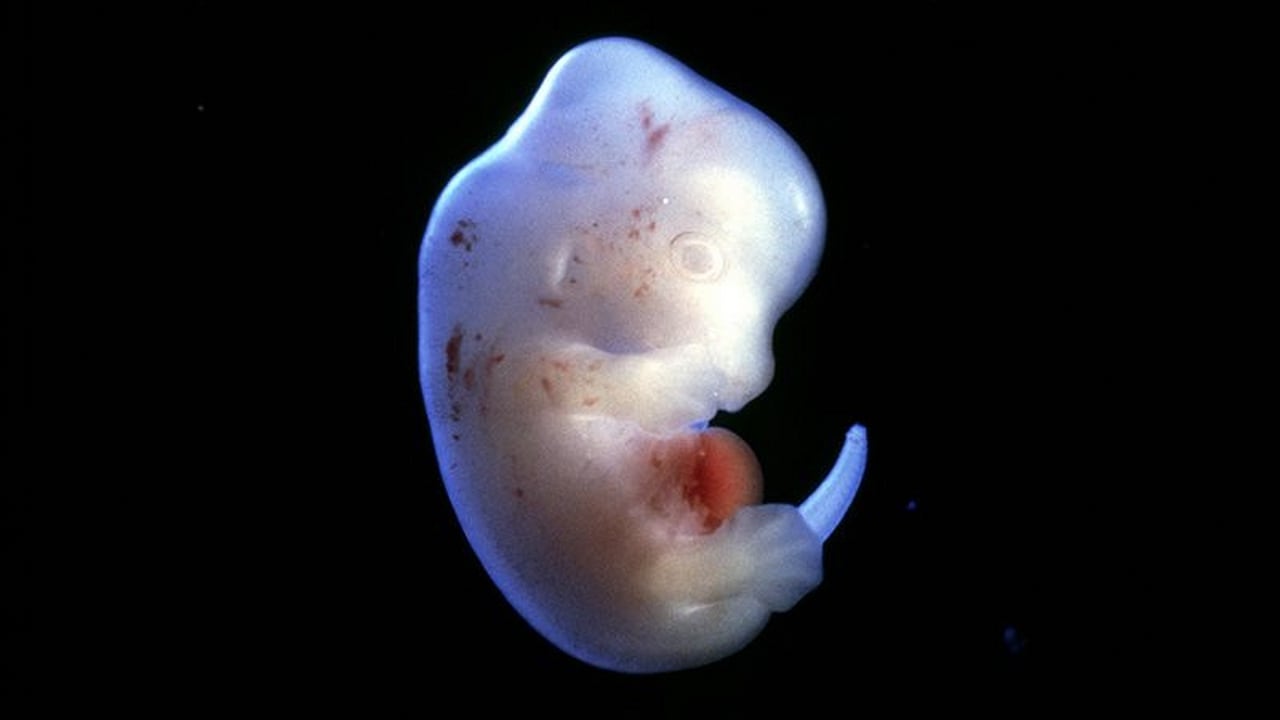
A Japanese scientist plans to insert human cells into rat embryos. Credit: Nature/Science Pictures ltd/SPL[/caption]Nakauchi, too, will not be bringing the embryos to term from the very beginning. First, he plans to grow the mouse embryos for a fortnight and check the health and development of the human/ised organs forming. He then plans to carry out the same study in a rat host. If the experiments are a success, Nakauchi will return with proof to the Japanese government and seek approval to raise embryos in pig hosts using pig DNA.If these organs are grown successfully, they will be very helpful in 'alleviating the current desperate need for organ donors and lifelong immunosuppression,' according to Stanford Medicine. Nakauchi said in an interview, "If we are able to generate human organs in animals we could help many, many people. Furthermore, we could also use animal-grown human cells or tissue for toxicology studies or drug screening. Surgeons could practice surgery on intact human organs before operating on patients, and we could study aspects of early human development that have never before been accessible to researchers."However, some biologists are in doubt about the ethical validity of such studies. Some experts believe that human cells can potentially affect the brain and cognition of the animals born in the process. Others believe that creating animals for the sole purpose of growing organs for transplants violates their right to life. There are many unanswered questions in the minds of the people involved in these studies.The jury is still out on the acceptance of the experiment. At least till the first results from Nakauchi's research come through, the public and scientific community has time to pick a side.

Careless Whispers: Scientists discover that plants can 'talk' to each other using smells
Life on Mars? European Space Agency’s Orbiter discovers ice water deposits at equator
Microsoft briefly overtakes Apple as the most valuable company, Apple back on top again
Even NASA is facing a tough time, starts layoffs following major budget cuts
ISRO, NASA's NISAR satellite to get ready by Jan-end, will monitor Earth's snow-covered regions