


Human beings freeze when startled due to the nerves trigger of serotonin in the body
Researchers experimented on fruit flies as they produce serotonin in a similar manner to human beings.

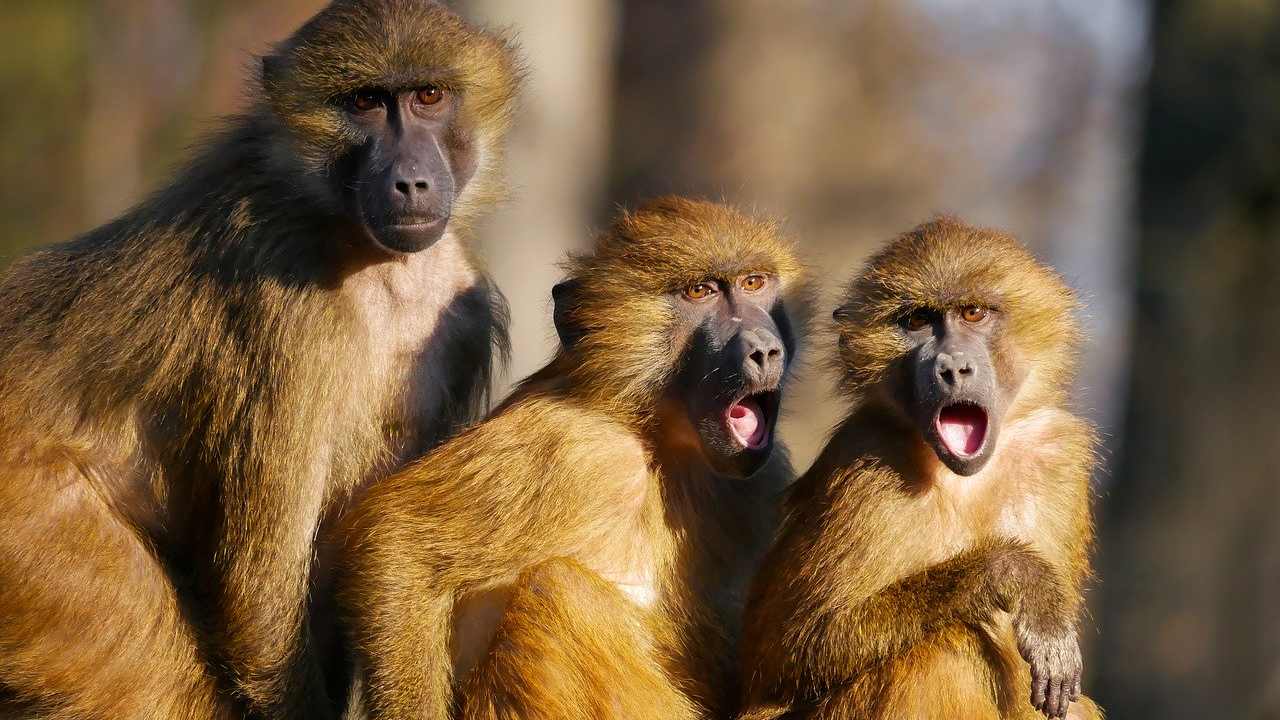
Nerve cells release serotonin in response to sudden changes.[/caption]“We witnessed serotonin’s biggest effects when the flies experienced rapid environmental changes. In other words, when they were startled,” said study co-author Clare Howard from Columbia University. The study offered insights into the biology of the startle response — a phenomenon, which the researchers said, is observed in virtually every animal studied to date, from flies to fish to people.“Imagine sitting in your living room with your family and — all of a sudden — the lights go out, or the ground begins to shake,” said Richard Mann, study co-author from Columbia University. “Your response and that of your family will be the same: You will stop, freeze and then move to safety. With this study, we show in flies that a rapid release of the chemical serotonin in their nervous system drives that initial freeze. And because serotonin also exists in people, these findings shed light on what may be going on when we get startled as well,” Mann explained.The researchers found that when they activated neurons producing serotonin in the VNC, the flies slowed down, and when these nerves were silenced, the flies sped up. They also showed that serotonin levels could impact the insects’ walking speed under a wide variety of conditions, such as different temperatures, when the flies were hungry, or while they walked upside down.

Careless Whispers: Scientists discover that plants can 'talk' to each other using smells
Life on Mars? European Space Agency’s Orbiter discovers ice water deposits at equator
Microsoft briefly overtakes Apple as the most valuable company, Apple back on top again
Even NASA is facing a tough time, starts layoffs following major budget cuts
ISRO, NASA's NISAR satellite to get ready by Jan-end, will monitor Earth's snow-covered regions