


Gut mucus has an intrinsic relation with neurological diseases caused by bacterial imbalance, finds study
Researchers have shown changes to intestinal mucus affect the balance of gut bacteria but no-one made the connection between gut mucus and the brain.

Mucus layering in our gut forms a security layer against harmful microbes. But now scientists have found a relation between changes in the gut mucus and brain diseases caused by a bacterial imbalance. This imbalance of the bacterial presence in our body can cause some serious ailments like Alzheimer's disease, autism, Parkinson’s disease, and multiple sclerosis.
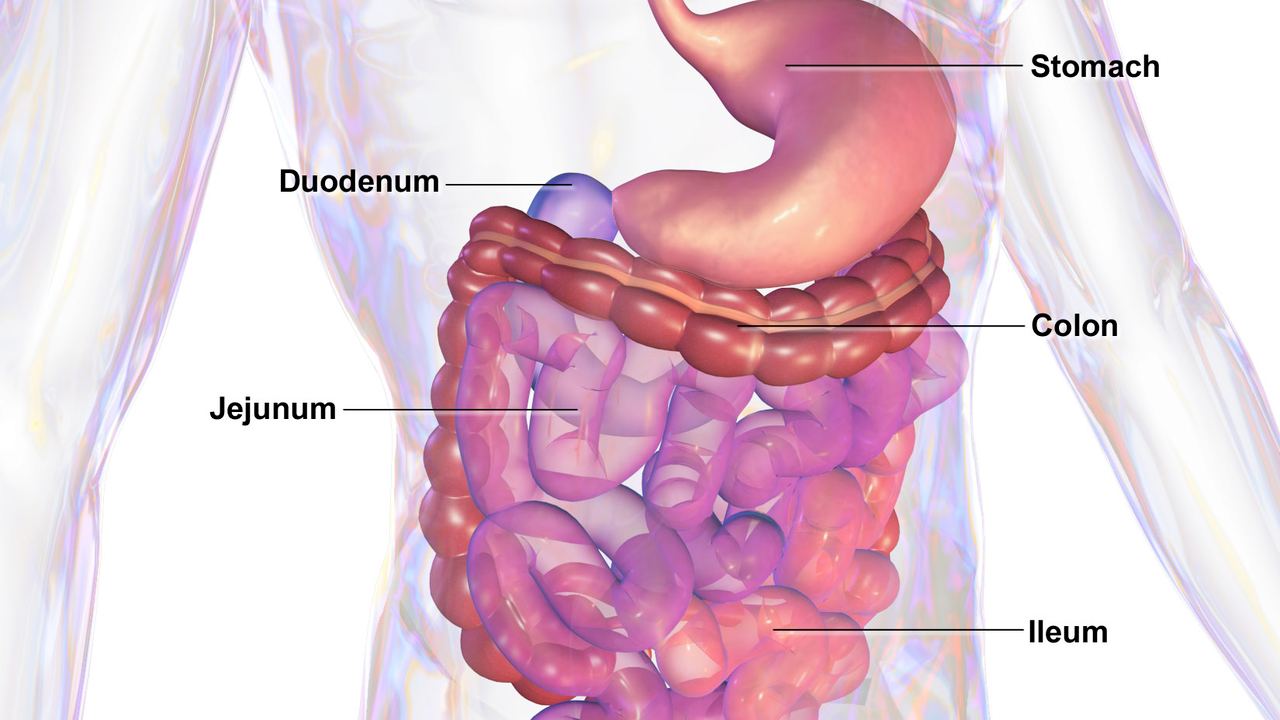
The Gastrointestinal System of a human body. Image credit: Wikipedia[/caption]Hence people with Alzheimer’s disease or multiple sclerosis have “different amounts of good and bad bacteria” in their gut. And scientists are trying to study why. Senior author and Associate Professor, RMIT Elisa Hill-Yardin said, “Researchers have previously shown that changes to intestinal mucus affect the balance of bacteria in the gut but until now, no-one has made the connection between gut mucus and the brain”.
“Our review reveals that people with autism, Parkinson's disease, Alzheimer's and Multiple Sclerosis have different types of bacteria in their gut mucus compared with healthy people, and different amounts of good and bad bacteria,” the professor added.
This review has opened up a new avenue of studying brain disorders. Now researchers can focus on the gut and find out the exact reason, and thus the treatment, of some of the most serious of brain diseases. Hill-Yardin said, “It's a new gut-brain connection that opens up fresh avenues for scientists to explore, as we search for ways to better treat disorders of the brain by targeting our 'second brain' - the gut.”
 More from Science
“If we can understand the role that gut mucus plays in brain disease, we can try to develop treatments that harness this precise part of the gut-brain axis,” she said.
Hill-Yardin led the review with collaborators from the University of Melbourne and La Trobe University.

Careless Whispers: Scientists discover that plants can 'talk' to each other using smells
Life on Mars? European Space Agency’s Orbiter discovers ice water deposits at equator
Microsoft briefly overtakes Apple as the most valuable company, Apple back on top again
Even NASA is facing a tough time, starts layoffs following major budget cuts
ISRO, NASA's NISAR satellite to get ready by Jan-end, will monitor Earth's snow-covered regions