


Google Glass could help kids with autism better understand faces & emotions
Assessments show better social interaction, initiation and emotion recognition in kids with autism

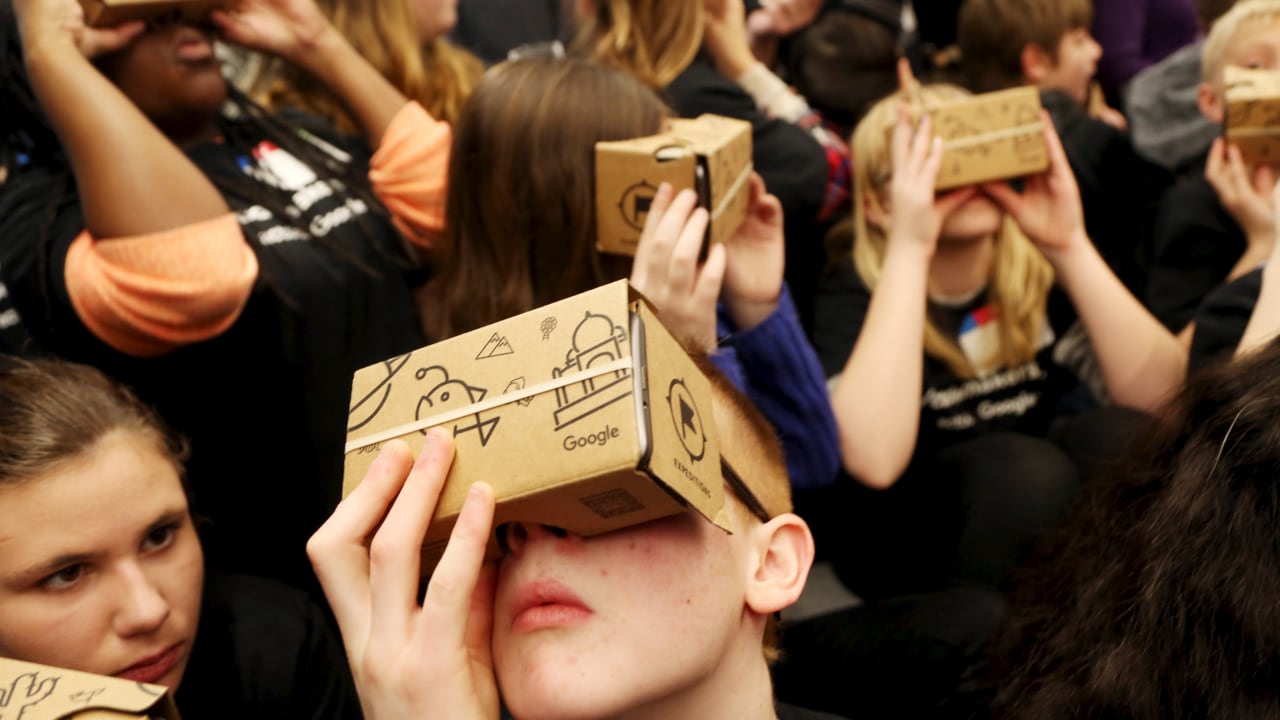
Representational Image. Reuters[/caption]The research team provided the prototype to 14 families and asked them to complete three or more 20-minute sessions per week over one to four months. The kids were assessed before and after the study period with tests measuring social responsiveness, facial recognition, eye contact and social acuity. Researchers also asked the parents for feedback on how engaging, useful and fun the prototype was.Overall, 12 of the 14 families said they noticed an increase in eye contact by their child, and six children moved to a less severe classification of autism. The assessments also showed improvements in recognizing intent, social interaction, social initiation, eye contact and accurate labeling of emotions after kids used the tool.“The way we do therapy today is effective but . . . doesn’t always generalize well to a child’s natural environment,” Wall said. “Flashcards can reinforce emotion recognition, but they can only contain so much information.”Limitations of the study include the small number of participants and the lack of a control group. For instance, the researchers can’t say for sure whether the changes were due to the software itself, the kids’ growing maturity or another aspect of the experiment process such as focused interactions with friends and family.Also, the researchers, the families are from the San Francisco Bay area and may be more tech-savvy than in other parts of the country, where wearables may feel uncomfortable to use at home. The headset itself, they add, sometimes had a short battery life and difficulties with charging.“This study underscores the importance of leaving the perfected context of a lab and going into the reality of a home,” said Ned Sahin, CEO of Brain Power, a company that uses wearable artificial-intelligence systems to help people with brain-related challenges.“We have personally interacted with hundreds of families impacted by autism, and we’ve found that these products help parents and children feel more connected,” he told Reuters Health. “This provides scientifically-based, well-grounded hope that is needed on those really tough days.”Researchers are also using eye tracking technology and haptic feedback devices to better understand how children with autism understand their environment and focus their attention, said Ouriel Grynszpan of the Pierre and Marie Curie University in Paris, who wasn’t involved with the study.“There’s not one tool or one technology that will solve the whole problem, but the more there are available, the more chances that parents may find the best technology for their kid,” he told Reuters Health. “This field is going to change a lot in the next few years, and we hope the technology will be recognized and supported by the autism community.”Wall’s team has conducted a randomized controlled trial with similar results to their pilot study.They hope to seek regulatory approval and then pursue medical insurance reimbursements.

Careless Whispers: Scientists discover that plants can 'talk' to each other using smells
Life on Mars? European Space Agency’s Orbiter discovers ice water deposits at equator
Microsoft briefly overtakes Apple as the most valuable company, Apple back on top again
Even NASA is facing a tough time, starts layoffs following major budget cuts
ISRO, NASA's NISAR satellite to get ready by Jan-end, will monitor Earth's snow-covered regions