


Fast radio burst detected in the Milky Way is repeating, scientists confirm
In April this year, a weaker burst was detected and astronomers tracked it to a unique kind of star called a magnetar some 30,000 light-years away from us.

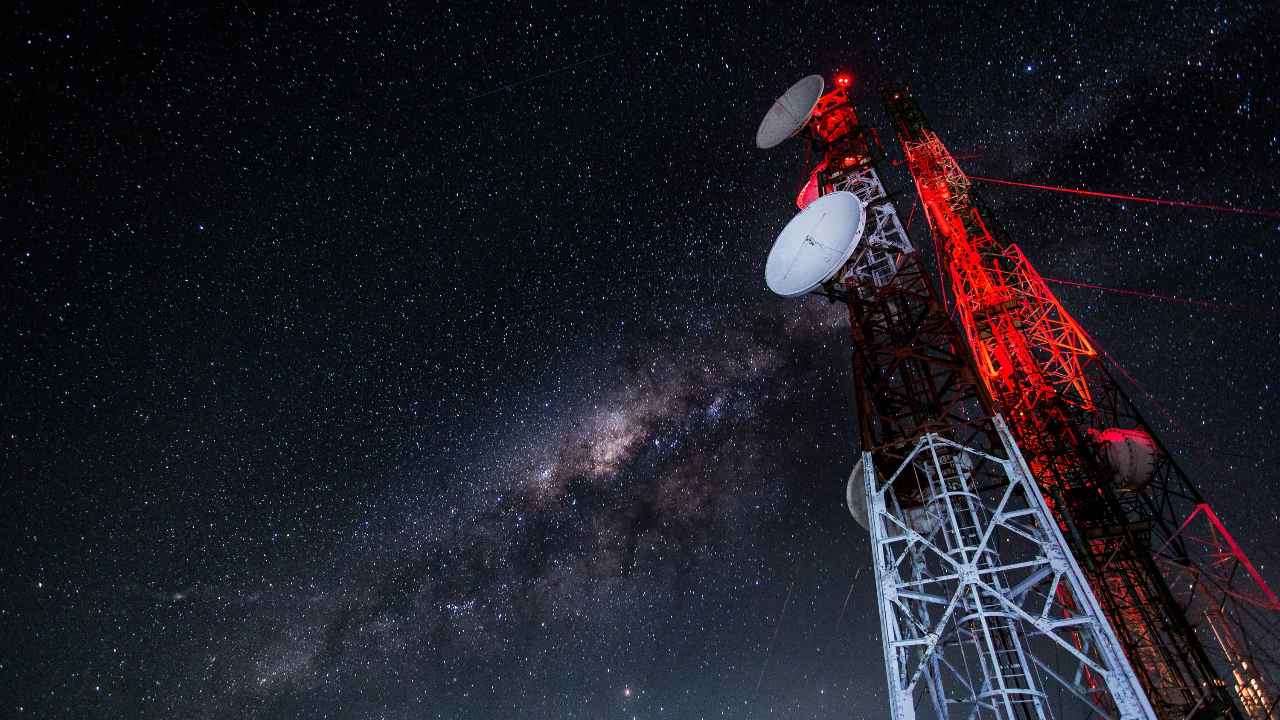
FRBs are super intense bursts of radio waves that last only for some milliseconds and thus make detecting their source very difficult. Image credit: Pxfuel[/caption]Now a recent study has made it official that the first object that was confirmed to spit out an FRB is also a repeater and has spit out two more powerful radio signals consistent with those seen from extragalactic sources.In April this year, a weaker burst coming from Milky Way was detected and astronomers were able to track the FRB to a unique kind of star called a magnetar some 30,000 light-years away from us.Magnetars are highly magnetized and incredibly dense neutron stars, with 1.5 times the mass of our sun, squeezed into a space of just 20 kilometres. The burst detected in April coming from SGR 1935+2154 was confirmed to be an FRB earlier this month and the event was called FRB 200428.Following the April burst, scientists from different locations spotted three similar bursts on 3 and 24 May 2020. The follow-up bursts were much fainter thus presenting a big range of signal strength. While scientists found a repeater in their own galaxy, making future research easier, they could not find a pattern for the bursts as of yet.The research paper has been published in the journal Nature Astronomy.

Careless Whispers: Scientists discover that plants can 'talk' to each other using smells
Life on Mars? European Space Agency’s Orbiter discovers ice water deposits at equator
Microsoft briefly overtakes Apple as the most valuable company, Apple back on top again
Even NASA is facing a tough time, starts layoffs following major budget cuts
ISRO, NASA's NISAR satellite to get ready by Jan-end, will monitor Earth's snow-covered regions