


Electricity-eating bacteria are real — and scientists unravel how they can harvest electrons
It might be possible for bacteria to feed on electricity and carbon dioxide to produce value-added compounds like biofuels.

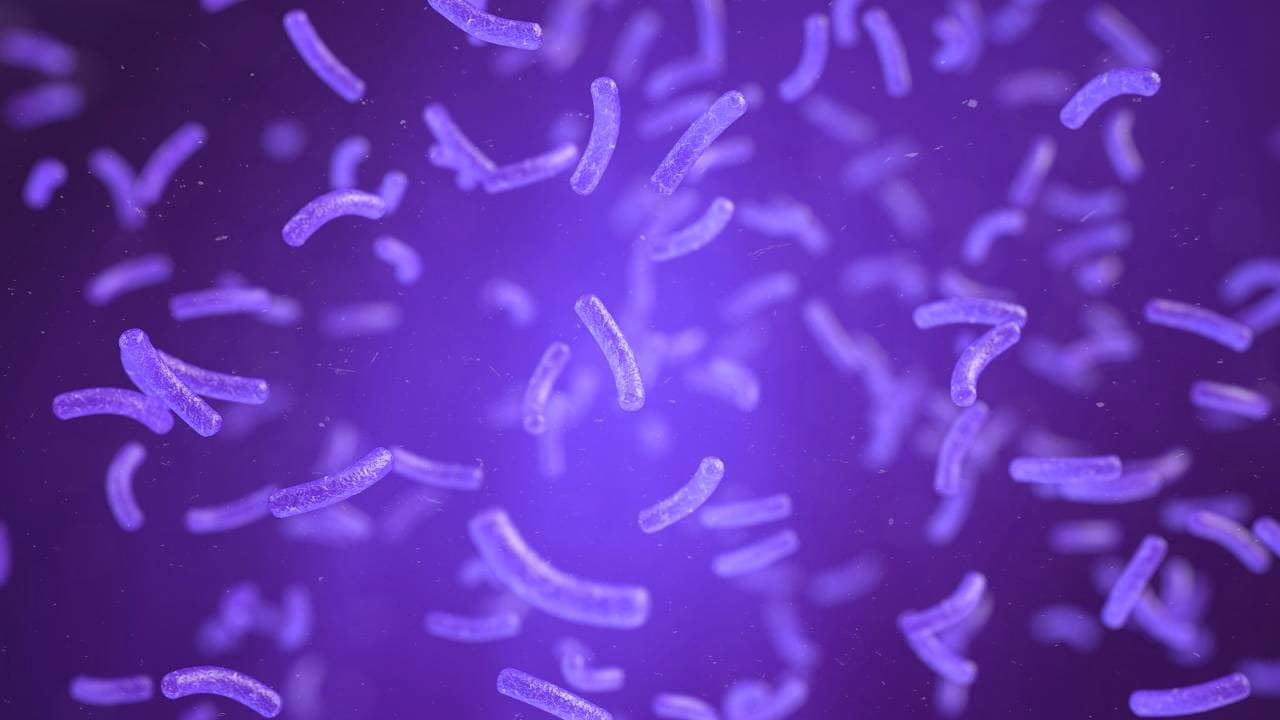
Some electricity eating bacteria can live solely on electricity and no other source of energy. Image: Getty[/caption]Dinesh Gupta, a PhD candidate in the Bose laboratory, first author of the study, said, "I was excited when we found that these phototrophic bacteria use a novel processing step to regulate the production of key electron transfer protein involved in this process.""This study will aid in designing a bacterial platform where bacteria can feed on electricity and carbon dioxide to produce value-added compounds such as biofuels."Getting the electricity across the outer layer of the bacteria is the key challenge. This barrier is both nonconductive and impermeable to insoluble iron minerals or electrodes.Bose and her collaborators including Robert Kranz, professor of biology, showed that the naturally occurring strain of 'Rhodopseudomonas palustris' TIE-1 builds a conduit to accept electrons across its outer membrane. The bacteria rely on an iron-containing helper molecule called a deca-heme cytochrome C. By processing this protein, TIE-1 can form an essential bridge to its electron source.Extracellular electron uptake or EEU can help microbes to survive under nutrient-scarce conditions.Now that Bose has documented these mechanisms behind EEU, she hopes to use it as a biological marker to identify other electricity-eating bacteria in the wild. The findings will help researchers to understand the importance of this functionality in metabolic evolution and microbial ecology.

Careless Whispers: Scientists discover that plants can 'talk' to each other using smells
Life on Mars? European Space Agency’s Orbiter discovers ice water deposits at equator
Microsoft briefly overtakes Apple as the most valuable company, Apple back on top again
Even NASA is facing a tough time, starts layoffs following major budget cuts
ISRO, NASA's NISAR satellite to get ready by Jan-end, will monitor Earth's snow-covered regions