


Dead dolphins and seals wash up on Florida shore in unusually large numbers
Unusually, 48 dolphins between 1 July and 30 August washed up dead along the coast of Florida

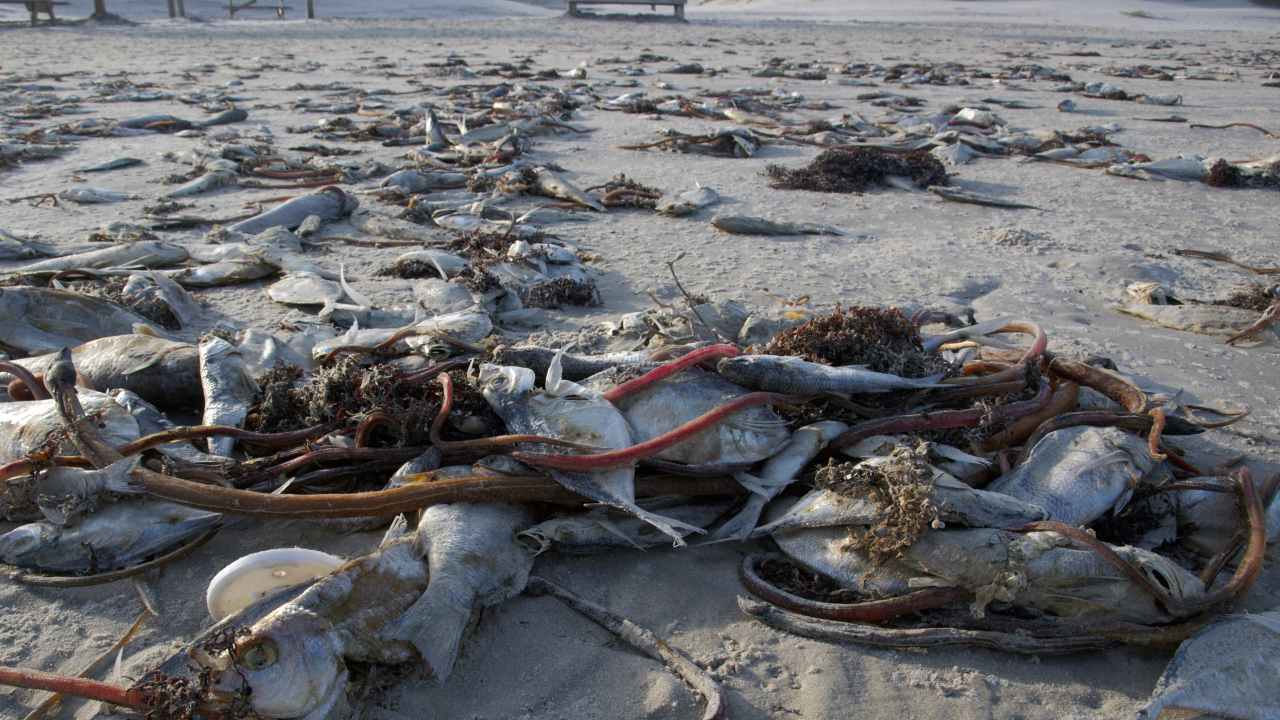
Representational image. Flickr[/caption]Tests have shown some seals were sickened with either avian influenza or phocine distemper virus – which is related to canine distemper virus – and in some cases, both.Between July 1 and August 29 marine mammal stranding teams have found 137 live stranded seals and 462 that had already died.It is still too soon to attribute an official cause for the seal deaths, and experts are not sure why they are getting sick in such high numbers, Rowles said.To press on with the dual investigations, NOAA has declared two separate "unusual mortality events," or UMEs, defined as "a stranding that is unexpected; involves a significant die-off of any marine mammal population; and demands immediate response."Declaring an UME allows contingency funds and additional research partners to join in the probe.NOAA made the announcement as Americans prepared for a long holiday weekend – and many families were heading to the beach to mark the unofficial end of summer.Officials urged people visiting the shores to stay at least 100 yards (meters) away from any seals, noting that their illnesses are infectious and could jump to people or their pets."In marine mammals it has been found before," said Michele Walsh, a state veterinarian with the Maine Department of Agriculture, referring to influenza A.Even though the flu subtype is not yet known "we assume that all influenzas have that potential (to jump from animals to people) until we prove otherwise," she said.

Careless Whispers: Scientists discover that plants can 'talk' to each other using smells
Life on Mars? European Space Agency’s Orbiter discovers ice water deposits at equator
Microsoft briefly overtakes Apple as the most valuable company, Apple back on top again
Even NASA is facing a tough time, starts layoffs following major budget cuts
ISRO, NASA's NISAR satellite to get ready by Jan-end, will monitor Earth's snow-covered regions