


Cutting down on rock salt and fluoride can help tackle anaemia, a new study finds
Researchers have found that consuming excess fluoride is intricately linked with anaemia

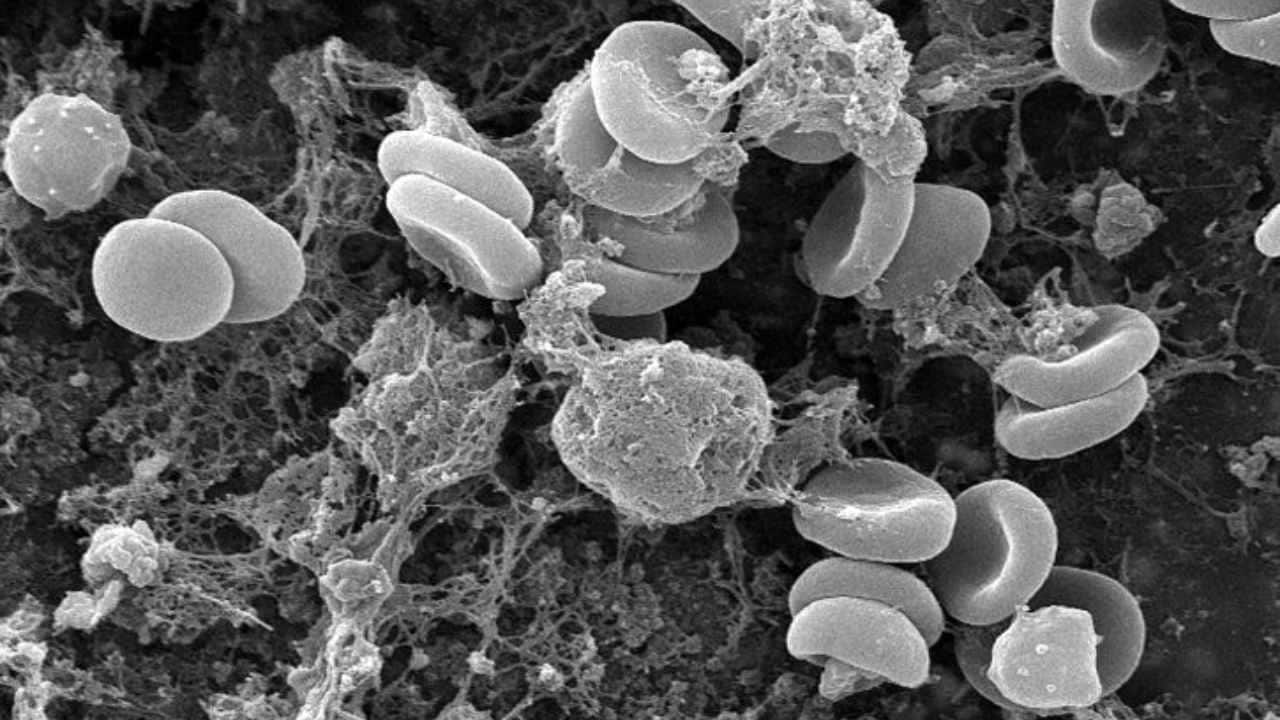
Representational image. Pixnio[/caption]Researchers found that just one month of dietary modification, together with fluoride restriction, could improve haemoglobin levels.“As early as 2004, we had started noticing that most patients suspected of fluorosis referred to us were anaemic. Eliminating fluoride from their water and diets and shifting them onto a nutritious food regime could restore their haemoglobin levels,” explained Dr A K Susheela, lead author of the study and Director of Fluorosis Foundation of India, speaking to India Science Wire.In 2010, a study involving pregnant women reported a high success rate of treating anaemia by eliminating fluoride from their diets.Dr Susheela said fluoride could adversely affect haemoglobin production through multiple ways. It destroys intestinal lining, affecting nutrient absorption from the gut. This could limit iron absorption even when the diet is rich in iron.Excess fluoride also interferes with production of thyroid hormones that are involved in RBC production. It also destroys gut bacteria which produces vitamin B12 – another important factor essential for haemoglobin biosynthesis. In addition, fluoride can attack red blood cells directly by syphoning off calcium present in their membrane.The team is educating people to shun the use of rock salt and is making them aware that even handpump water can contain excess fluoride. They also plan to teach people how to collect water samples and send them for testing.The results of the study have been published in journal Current Science.

Careless Whispers: Scientists discover that plants can 'talk' to each other using smells
Life on Mars? European Space Agency’s Orbiter discovers ice water deposits at equator
Microsoft briefly overtakes Apple as the most valuable company, Apple back on top again
Even NASA is facing a tough time, starts layoffs following major budget cuts
ISRO, NASA's NISAR satellite to get ready by Jan-end, will monitor Earth's snow-covered regions