


Can a mineral called magnesite solve global warming? New study suggests it can
While it is too early to say for sure, the mineral could be critical to saving out planet.

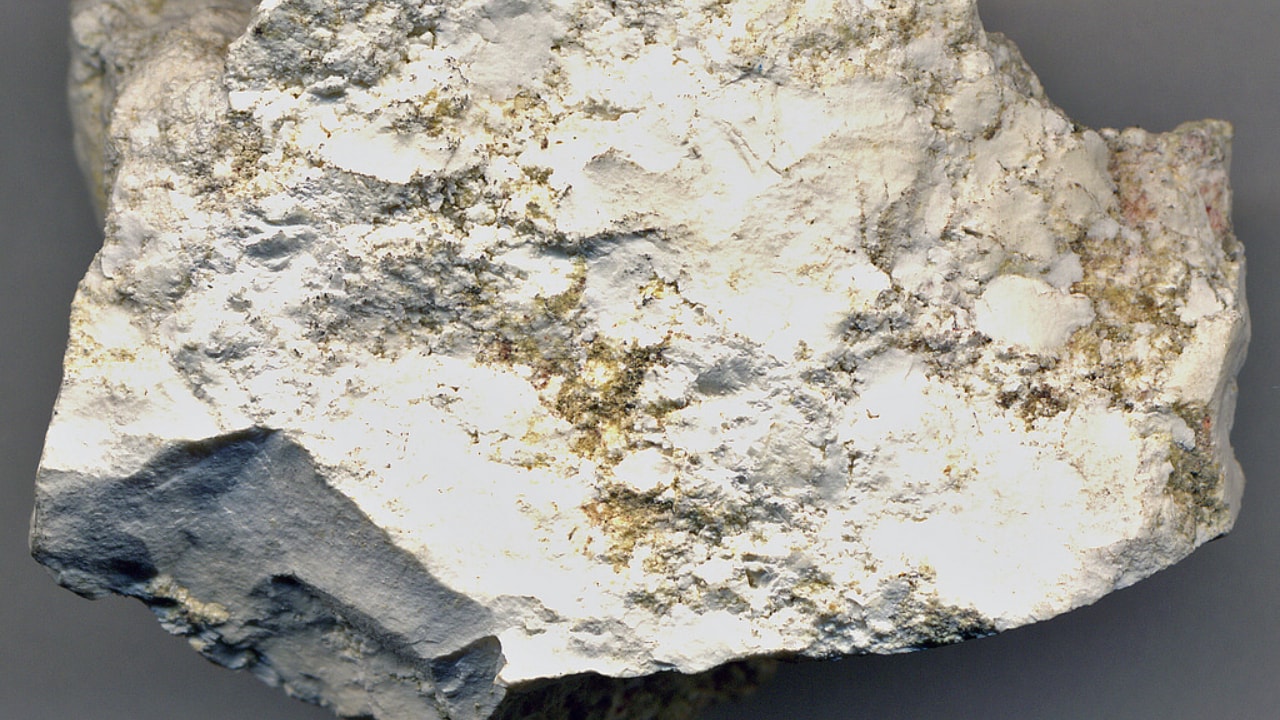
A rock of naturally-occurring magnesite. Flickr[/caption]However, the challenge so far has been that the rate of this conversion is very slow.The newly discovered pathway causes crystallization to happen a lot faster, speeding up the conversion process dramatically.Using low temperature and polystyrene microspheres as a catalyst in the production process, researchers managed to synthesise magnesite in just under 72 days. Also, the microspheres used in the process remained unchanged in the production process, making this key ingredient reusable and efficient.While carbon sequestration certainly sounds like a promising means to tackle the greenhouse effect, finding methods that are both cheap and practical remains a challenge to making a quantifiable difference to atmospheric carbon dioxide levels.The abstract and preliminary findings were presented at the Goldschmidt Conference on Geochemistry in Boston, Massachusetts.The findings have offered a big boost to the field of carbon capture and storage, and a benign, relatively inexpensive route to reduce greenhouse gasses could be just years away.

Careless Whispers: Scientists discover that plants can 'talk' to each other using smells
Life on Mars? European Space Agency’s Orbiter discovers ice water deposits at equator
Microsoft briefly overtakes Apple as the most valuable company, Apple back on top again
Even NASA is facing a tough time, starts layoffs following major budget cuts
ISRO, NASA's NISAR satellite to get ready by Jan-end, will monitor Earth's snow-covered regions