


Around the world, 14 million tonnes of microplastics litter the ocean floors: CSIRO report
The report said that areas with more floating rubbish generally had more microplastic fragments on the seafloor.

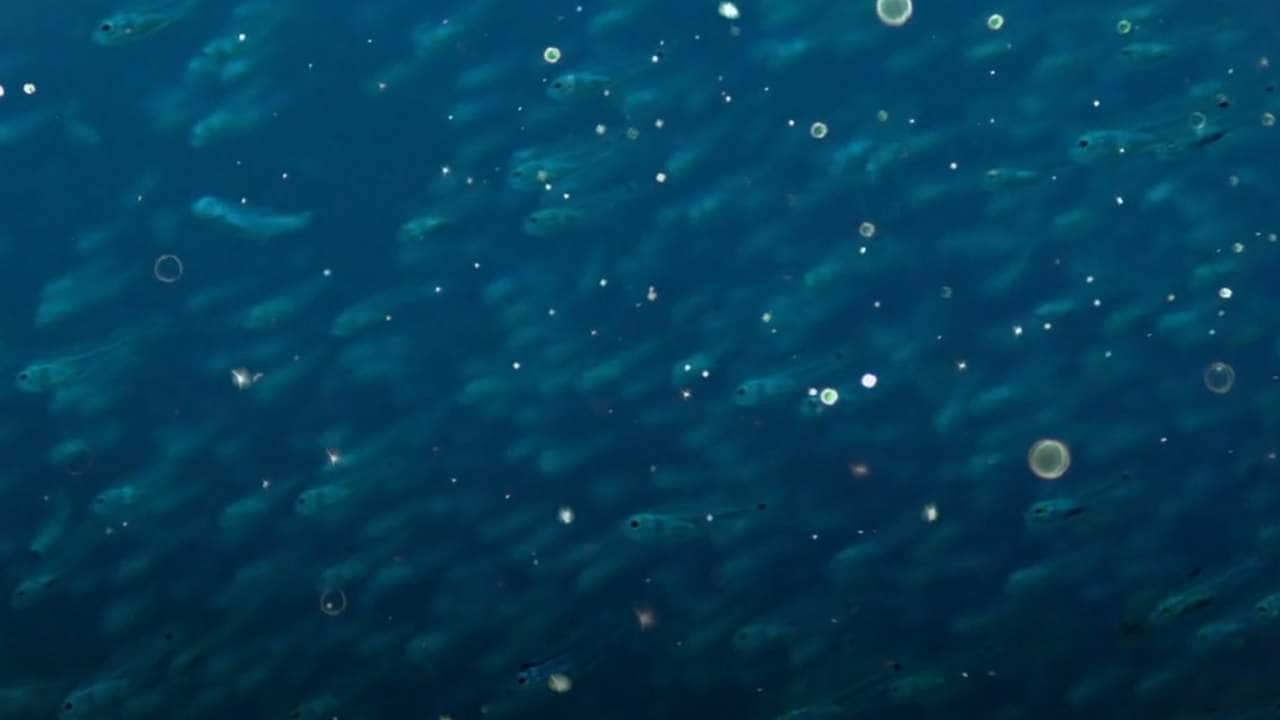
Microplastics that are broken down from the masses of rubbish are entering the oceans every year Image Credit: Oceana[/caption]"Our research found that the deep ocean is a sink for microplastics," principal research scientist Denise Hardesty said."We were surprised to observe high microplastic loads in such a remote location."The scientists, who published their findings in peer-reviewed journal Frontiers in Marine Science, said areas with more floating rubbish generally had more microplastic fragments on the seafloor."Plastic pollution that ends up in the ocean deteriorates and breaks down, ending up as microplastics," study lead Justine Barrett said."The results show microplastics are indeed sinking to the ocean floor."Hardesty called for urgent action to find solutions to marine plastic pollution, which affects ecosystems, wildlife and human health."Government, industry and the community need to work together to significantly reduce the amount of litter we see along our beaches and in our oceans," she said.

Careless Whispers: Scientists discover that plants can 'talk' to each other using smells
Life on Mars? European Space Agency’s Orbiter discovers ice water deposits at equator
Microsoft briefly overtakes Apple as the most valuable company, Apple back on top again
Even NASA is facing a tough time, starts layoffs following major budget cuts
ISRO, NASA's NISAR satellite to get ready by Jan-end, will monitor Earth's snow-covered regions