


Amazon's Project Kuiper gets FCC approval; half of its 3,236 internet satellites to go up by 2026
Project Kuiper is supposed to have gotten its names from the region of the Solar System called Kuiper belt.

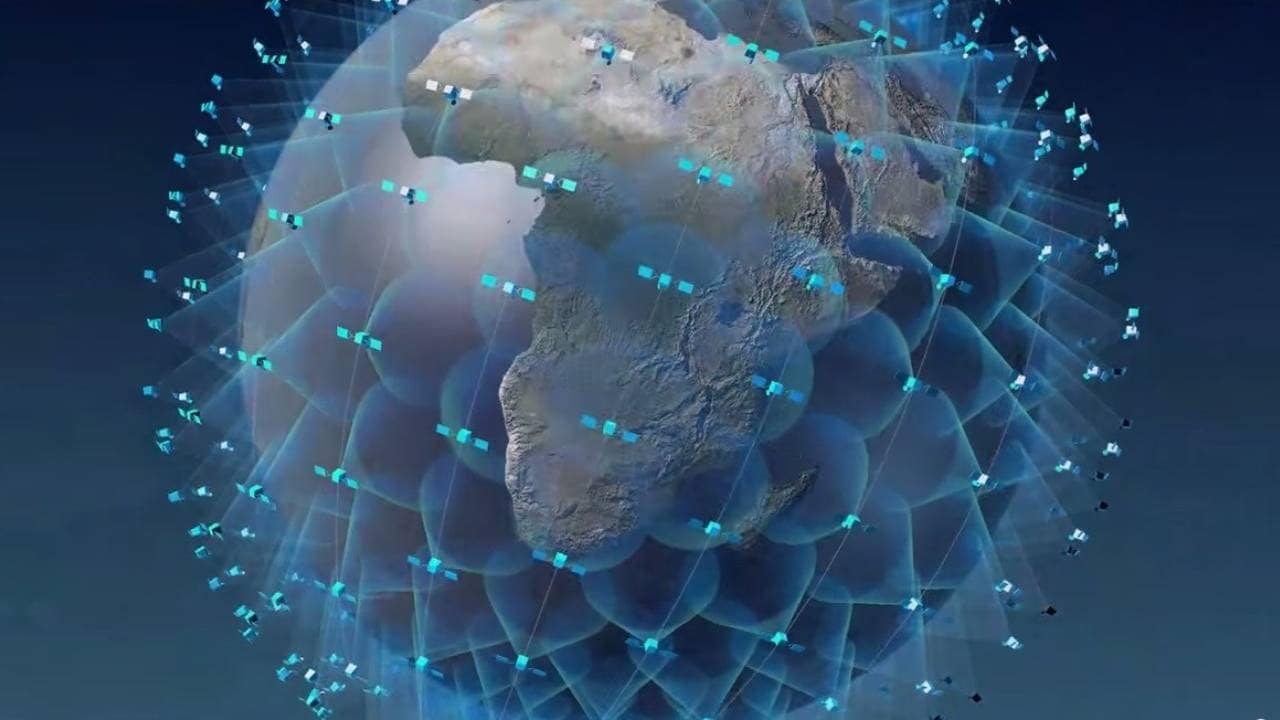
Amazon will launch and operate a constellation of 3,236 satellites as part of its Project Kuiper. Image credit: Airbus Group[/caption]Along with its approval for the project, the FCC said that Amazon must deploy half of the satellites by 2026, and have the remaining constellation in place by 30 July 2029, as per an Engadget report. The constellation is planned as a network of 784 satellites at the lowest altitude (590 kilometres), 1,296 satellites at the next-highest altitude (610 kilometres) and the remaining 1,156 satellites at the highest (630 kilometres) orbit above the Earth. If all goes to plan, the completed Project Kuiper could reach roughly 95 percent of the world's population with its broadband coverage area. Amazon has said that the satellites will first provide internet services to the United States and then gradually expand them globally.To deal with the ever-growing problems of space junk, Amazon will deorbit satellites within 355 days following the completion of their mission, instead of the 25-year window as per NASA's current standard. It also promises to comply with NASA’s guidelines regarding surviving debris.
What is Project Kuiper?
Project Kuiper is an initiative to build low earth orbit (LEO) satellite constellation that is capable of providing reliable, affordable, high-speed internet service in regions that are out of reach of traditional fibre or wireless networks. While first rumblings of the project surfaced in September 2018, it could be a decade before the project is completed, and the first internet services are open to users.Project Kuiper is said to have gotten its name from the region of the Solar System that exists beyond the eight major planets, called the Kuiper belt. "Project Kuiper" could be a play on the number of Kuiper belt objects and the range of their orbits, which, taken (very) broadly, resembles the range of the 3,000+ satellite network. Amazon is investing upwards of $10 billion to build the infrastructure and launch the satellites under Project Kuiper.Tech Crunch reports that the investment will also include testing satellites for the constellation and building the ground network infrastructure that’s required in order to actually make the connectivity available to consumers.
Other players in the satellite internet race
SpaceX has already begun launching its Starlink satellites that will blanket the earth with nearly 12,000 LEO satellites by 2027. Apart from SpaceX and Amazon, Facebook, Boeing, OneWeb - backed by Richard Branson’s Virgin Group and Telesat are all trudging along in the LEO-based internet business.

Careless Whispers: Scientists discover that plants can 'talk' to each other using smells
Life on Mars? European Space Agency’s Orbiter discovers ice water deposits at equator
Microsoft briefly overtakes Apple as the most valuable company, Apple back on top again
Even NASA is facing a tough time, starts layoffs following major budget cuts
ISRO, NASA's NISAR satellite to get ready by Jan-end, will monitor Earth's snow-covered regions