


Along with SpaceX's Starlink, six earth imaging satellites — SkySats — will also be launched
Planet is part of SpaceX's RIdeshare program and currently has 15 SkySats in orbit, including two prototypes launched in 2013 and 2014.

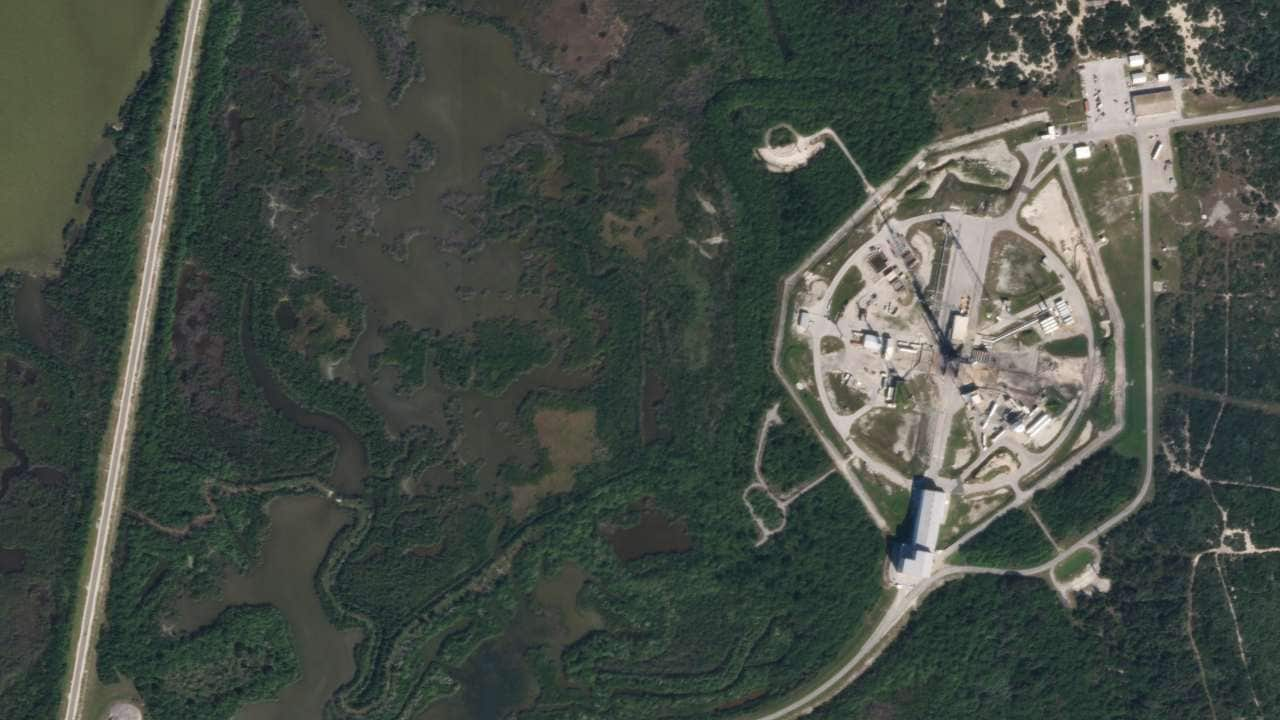
pace Launch Complex 40 at Kennedy Space Center, with a Falcon 9 on the pad. Image credit: Planet Labs Inc.[/caption]The SkySats launch is under the ‘SpaceX Rideshare Program’, which started in 2019. The Elon Musk-founded company SpaceX has signed multiple contracts, including with Planet Labs, to launch on Rideshare missions.While three of the SkySat satellites will fly to LEO on SpaceX’s ninth Starlink mission, scheduled to be launched in the month of June, the other three Planet satellites will hitch a ride on a Starlink mission in the later months, according to a blog by Planet.These SkySats come after SkySats 1-15 that are working in Sun Synchronous Orbits, which is a specific type of LEO. These orbits are used in “remote sensing” and by environmental satellites, as they allow regular imaging of the Earth’s surface, keeping the sun at the same angle.
“About half of the SkySats currently pass overhead in a morning crossing plane, while the other half move in an afternoon crossing plane, so together they provide twice-daily coverage of select areas on a global scale,” read the blog.Mike Safyan, the vice president of the launch at Planet, said that each of SkySat satellites weighs around 110 kilograms at launch. The SkySats are mini-refrigerator sized and their optical instruments produce images of Earth with a resolution of less than 2.4 feet.The upcoming six satellites (SkySat 16 to 21) will “operate at a “mid-inclination” orbit of 53 degrees, complimenting the Sun Synchronous fleet, and will offer more targeted coverage and raw image capacity in key geographic regions”. All six satellites will be launched from the Cape Canaveral Air Force Base in Florida.The Starlink mission is part of the Elon Musk-run company that aims to create a mega-constellation with Starlink satellites. It has been launching 60 such satellites together, having completed seven successful batches.The eighth batch will launch likely on 19 May 2020.
Careless Whispers: Scientists discover that plants can 'talk' to each other using smells
Life on Mars? European Space Agency’s Orbiter discovers ice water deposits at equator
Microsoft briefly overtakes Apple as the most valuable company, Apple back on top again
Even NASA is facing a tough time, starts layoffs following major budget cuts
ISRO, NASA's NISAR satellite to get ready by Jan-end, will monitor Earth's snow-covered regions