


A meteorite crashed into the Moon during total lunar eclipse in January
For the first time, researchers have been able to capture, on video, a meteorite crashing into the Moon.

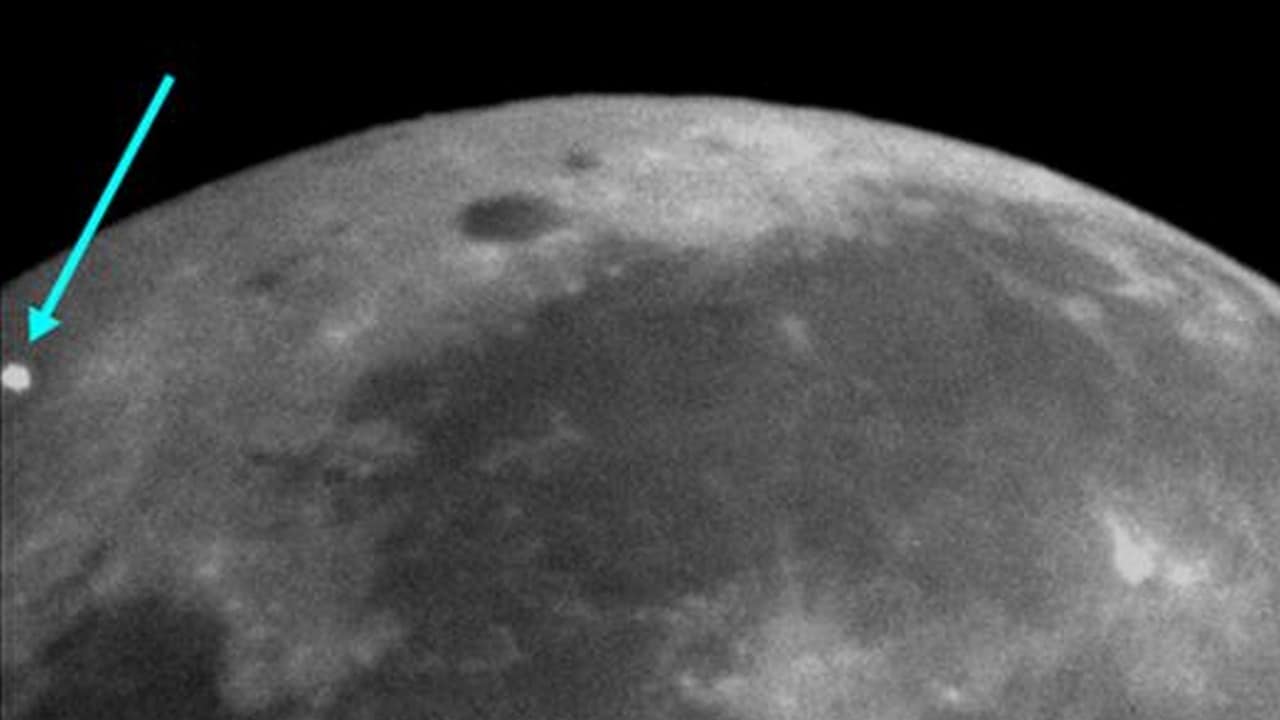
Lunar impact flash recorded on 21st January 2019. image credit: MIDAS Survey[/caption]An article published in the Monthly Notice of the Royal Astronomical Society says that the meteorite created a crater 10 to 15 meters large.A total lunar eclipse takes place when the Earth comes between the Sun and the Moon. The Moon is covered by the shadow of the Earth. When this happens, the Moon can turn red, earning it the nickname of Blood Moon.Astronomers at the Royal Observatory in Greenwich reported a second flash, however, there is no proof of it on the recording. The researchers have concluded that this might be a secondary event that is not related to the meteorite impact.

Careless Whispers: Scientists discover that plants can 'talk' to each other using smells
Life on Mars? European Space Agency’s Orbiter discovers ice water deposits at equator
Microsoft briefly overtakes Apple as the most valuable company, Apple back on top again
Even NASA is facing a tough time, starts layoffs following major budget cuts
ISRO, NASA's NISAR satellite to get ready by Jan-end, will monitor Earth's snow-covered regions