


40 years of the Voyager missions: Images from the outer solar system
NASA launched the Voyager-2 in August 1977 and the Voyager-1 in September 1997, here is a look back at the images they captured.

[caption id="attachment_3883573" align="aligncenter" width="940"] The Earth and the Moon, the first such image taken by a spacecraft. Image: NASA.[/caption][caption id="attachment_3883569" align="aligncenter" width="940"]
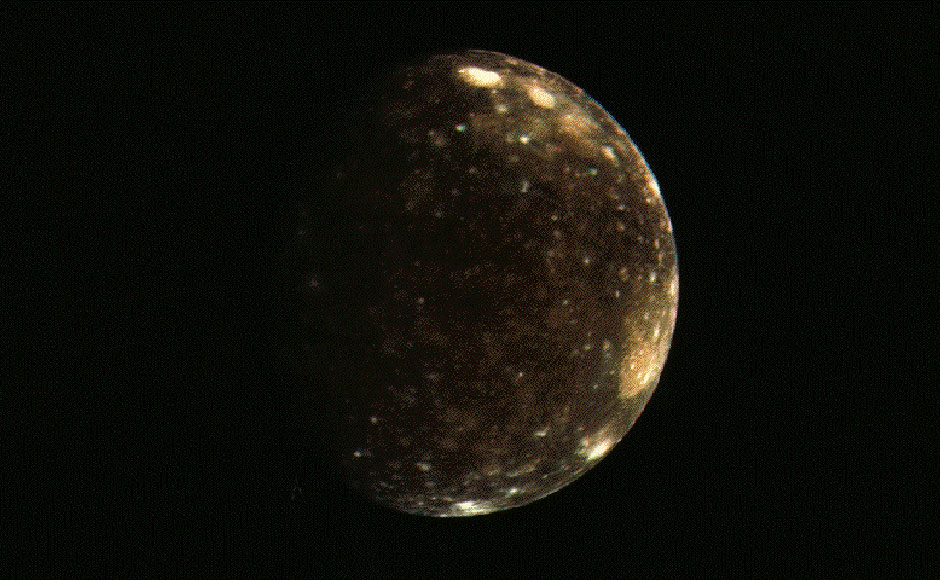 This is Callisto, the second largest of the Jovian moons. Image: NASA.[/caption][caption id="attachment_3883579" align="aligncenter" width="940"]
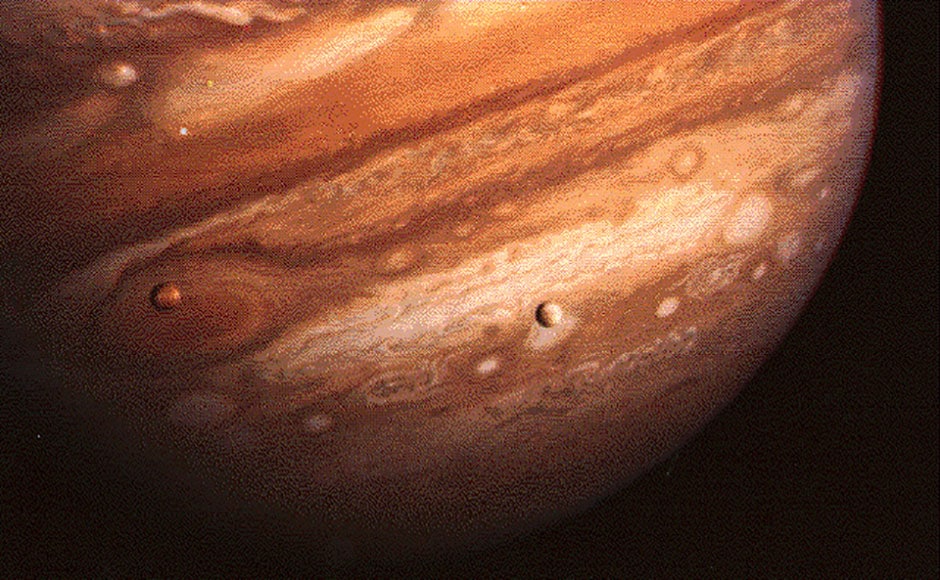 Jupiter with its moons in the foreground. Image: NASA.[/caption][caption id="attachment_3883577" align="aligncenter" width="940"]
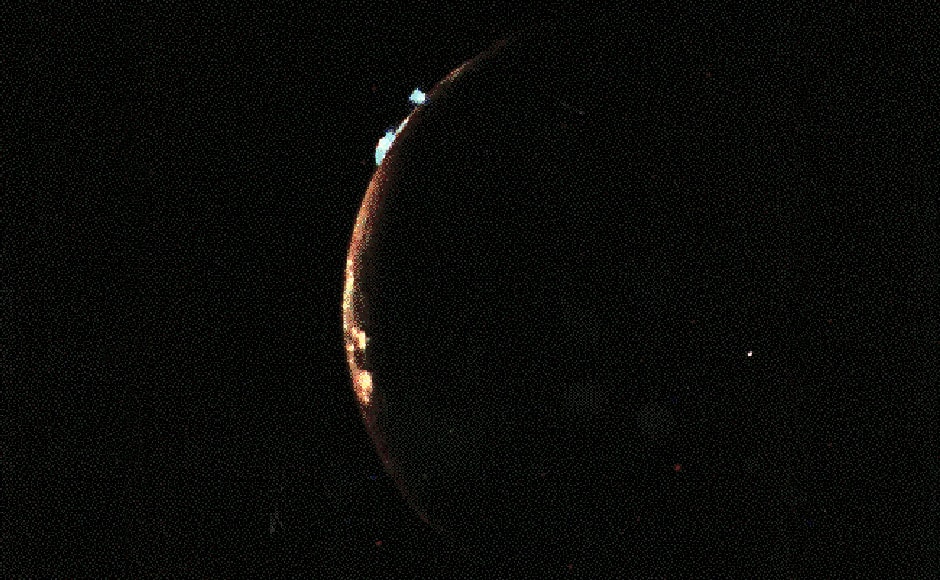 Volcanic activity on Io, one of the moons of Jupiter. Image: NASA.[/caption][caption id="attachment_3883581" align="aligncenter" width="940"]
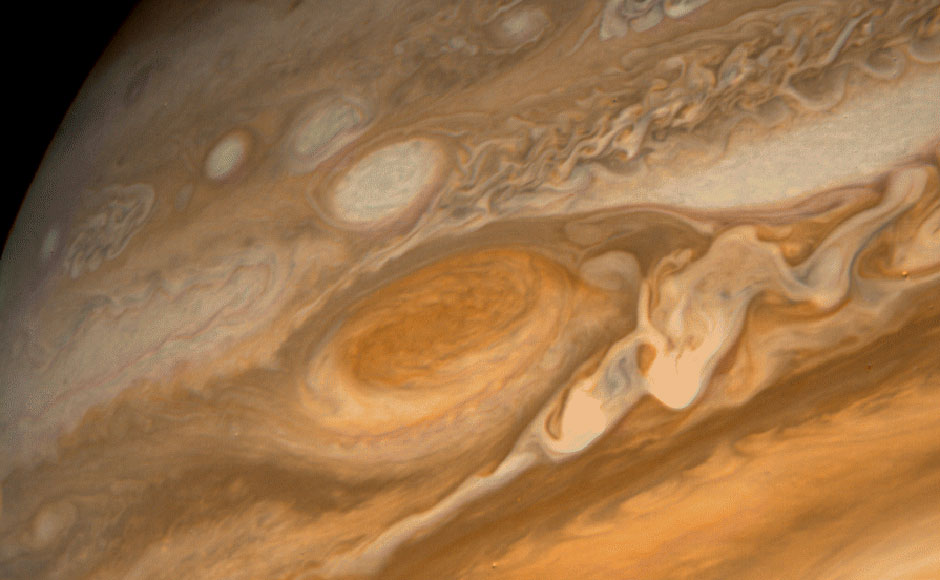 The great red spot on Jupiter. Image: NASA.[/caption][caption id="attachment_3883583" align="aligncenter" width="940"]
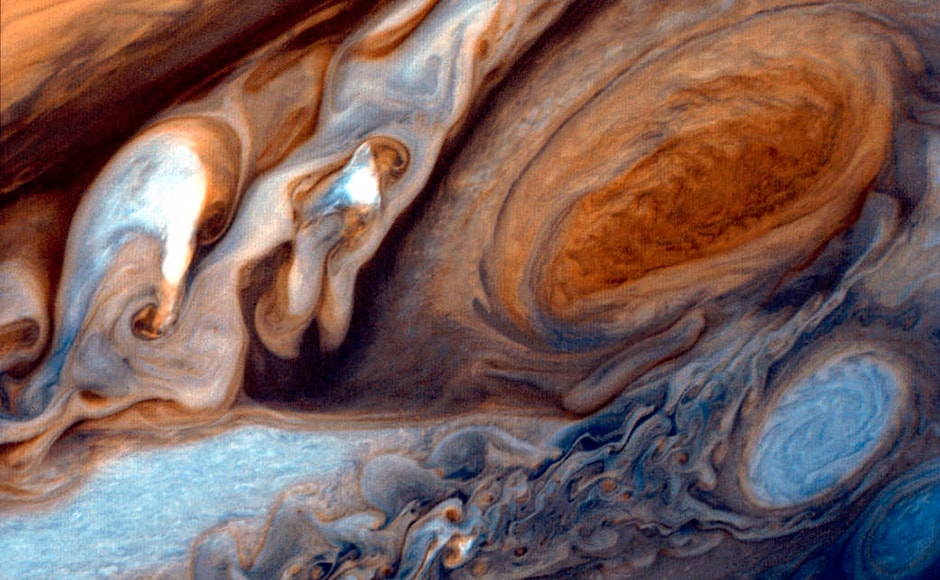 This image was captured in 1979 and processed in 1998. Image: NASA.[/caption][caption id="attachment_3883601" align="aligncenter" width="940"]
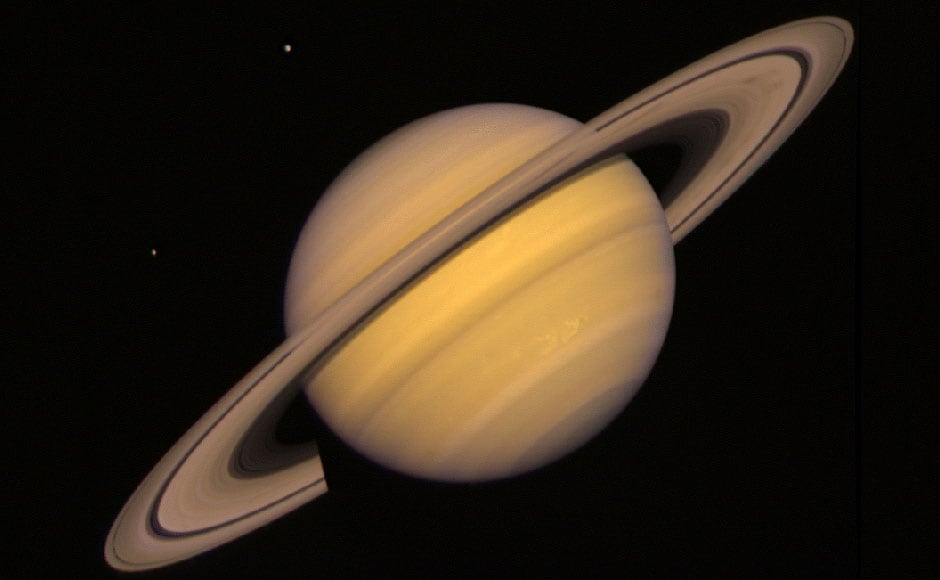 Saturn with some of its moons. Image: NASA.[/caption][caption id="attachment_3883607" align="aligncenter" width="940"]
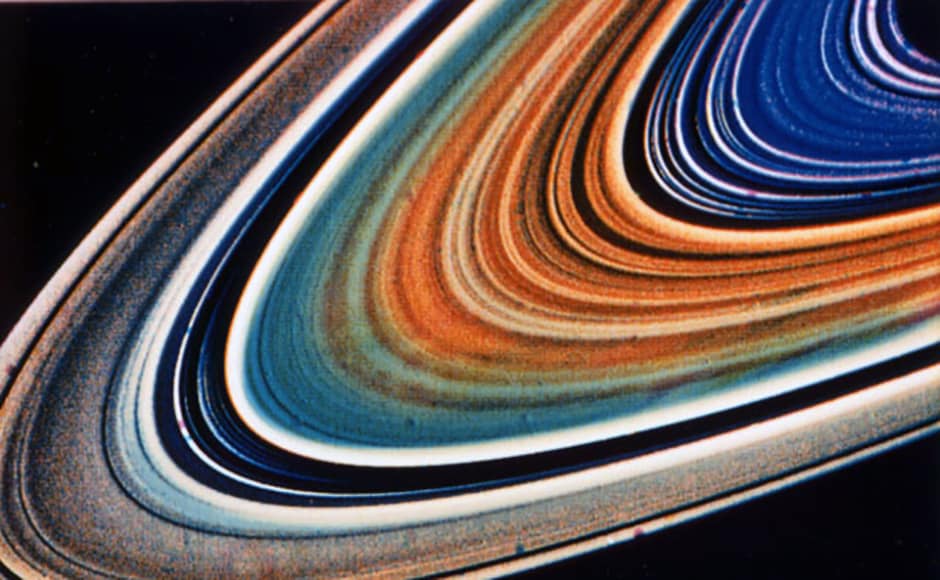 The Rings of Saturn. Image: NASA[/caption][caption id="attachment_3883605" align="aligncenter" width="940"]
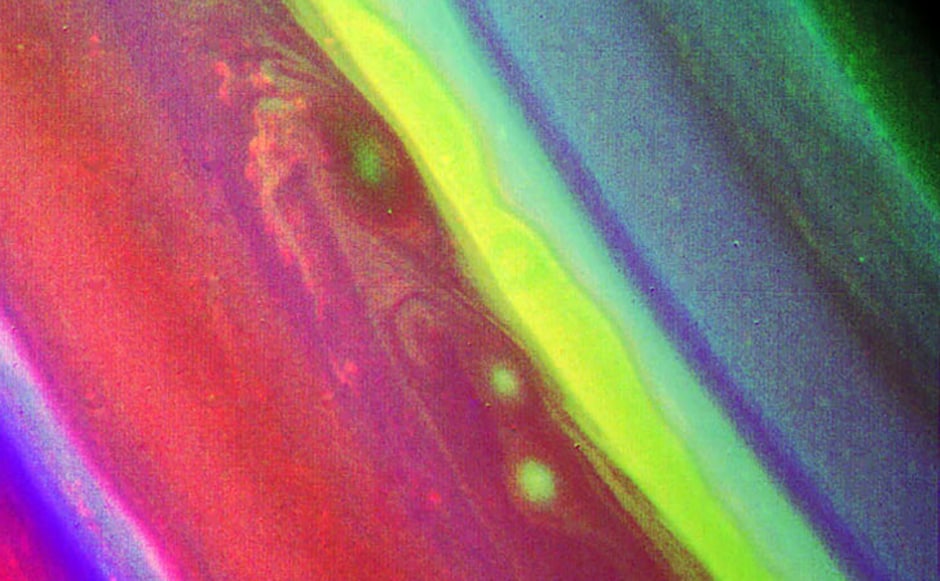 The northern hemisphere of Saturn. Image: NASA.[/caption][caption id="attachment_3883603" align="aligncenter" width="940"]
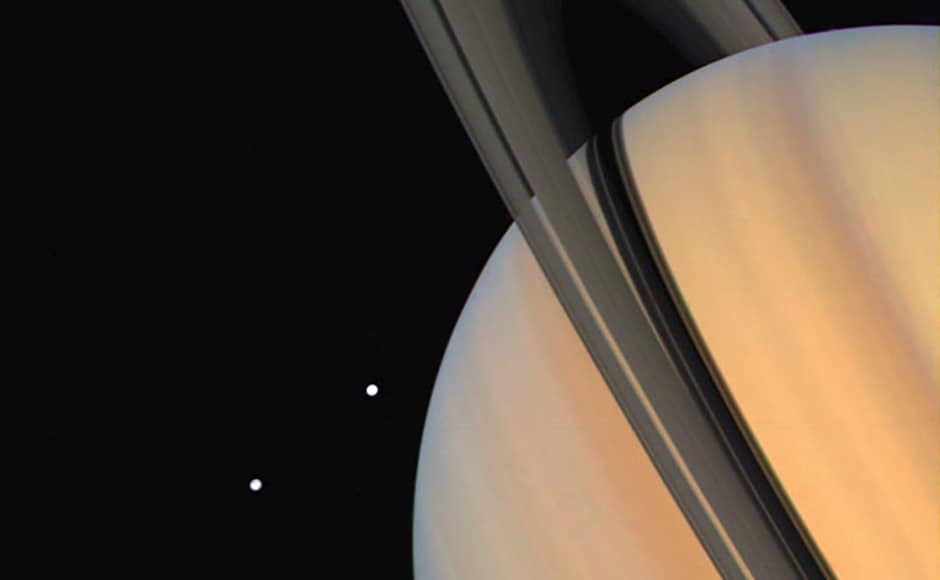 Saturn with Dione and Tethys. Image: NASA.[/caption][caption id="attachment_3883599" align="aligncenter" width="940"]
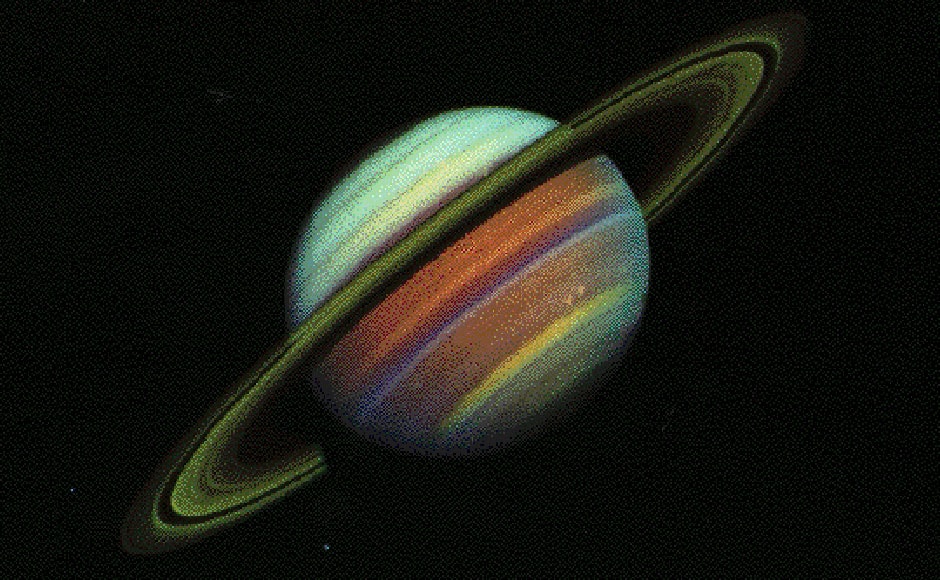 Saturn. Image: NASA.[/caption][caption id="attachment_3883575" align="aligncenter" width="940"]
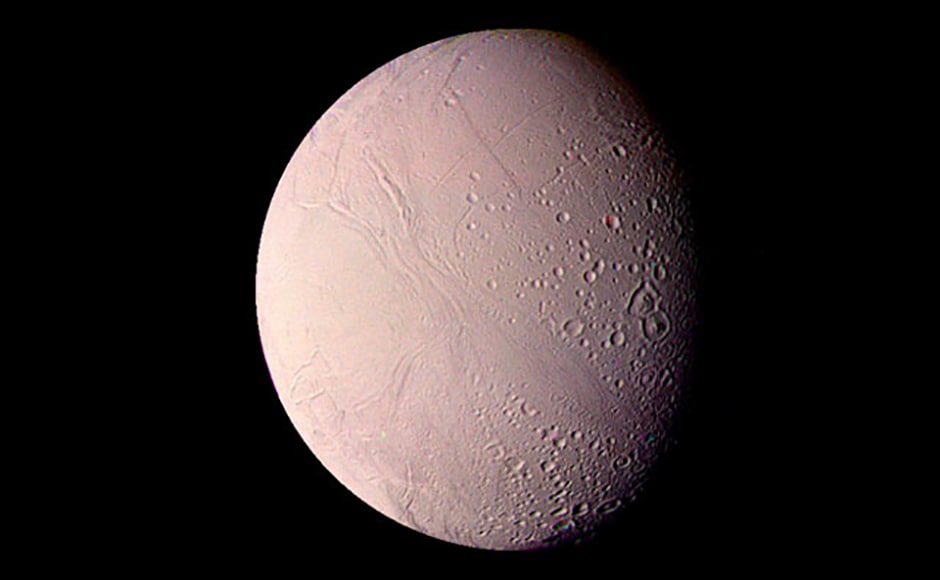 Enceladus, a Saturnian moon that we now know has the ingredients to support life. Image: NASA.[/caption][caption id="attachment_3883571" align="aligncenter" width="940"]
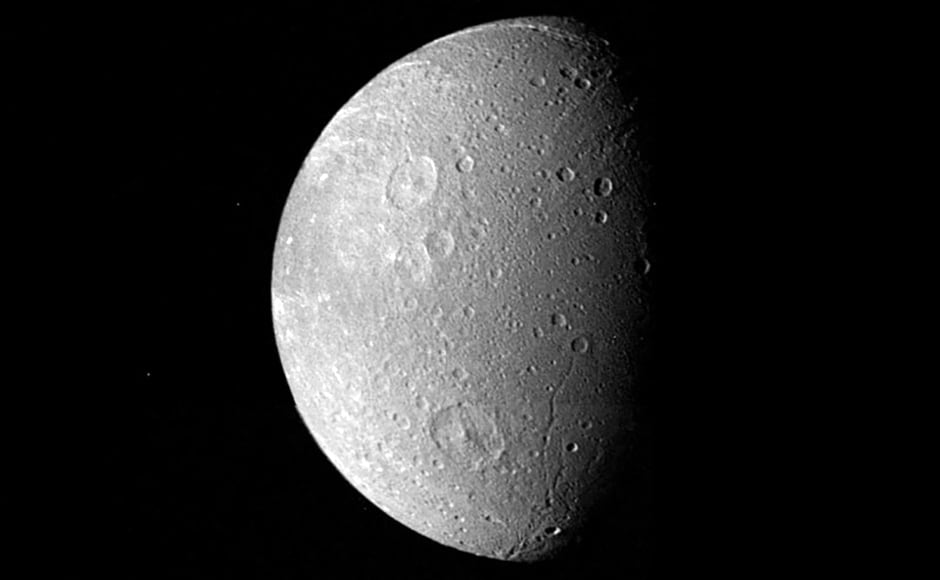 Dione, another moon of Saturn. Image: NASA.[/caption][caption id="attachment_3883609" align="aligncenter" width="940"]
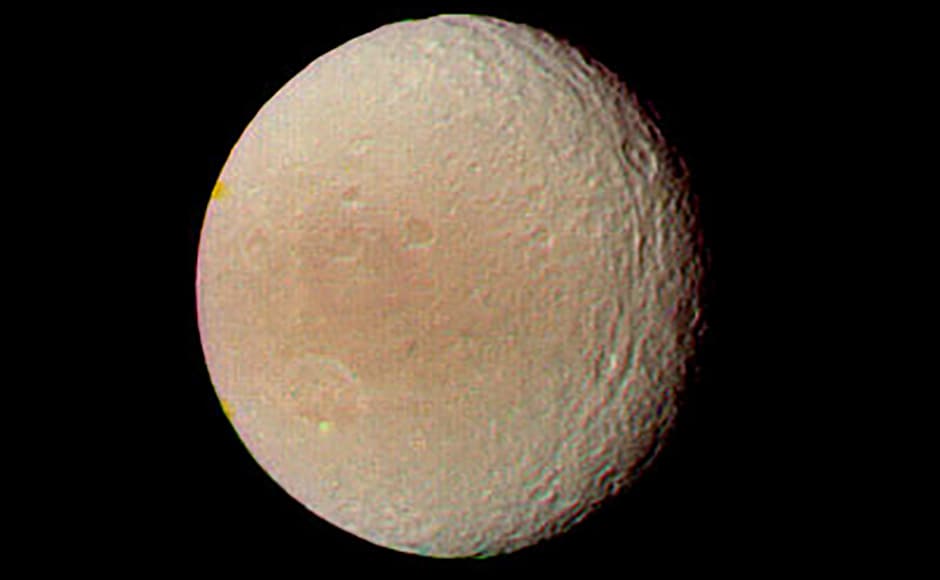 Tethys, a moon of Saturn with a highly reflective surface. Image: NASA.[/caption][caption id="attachment_3883611" align="aligncenter" width="940"]
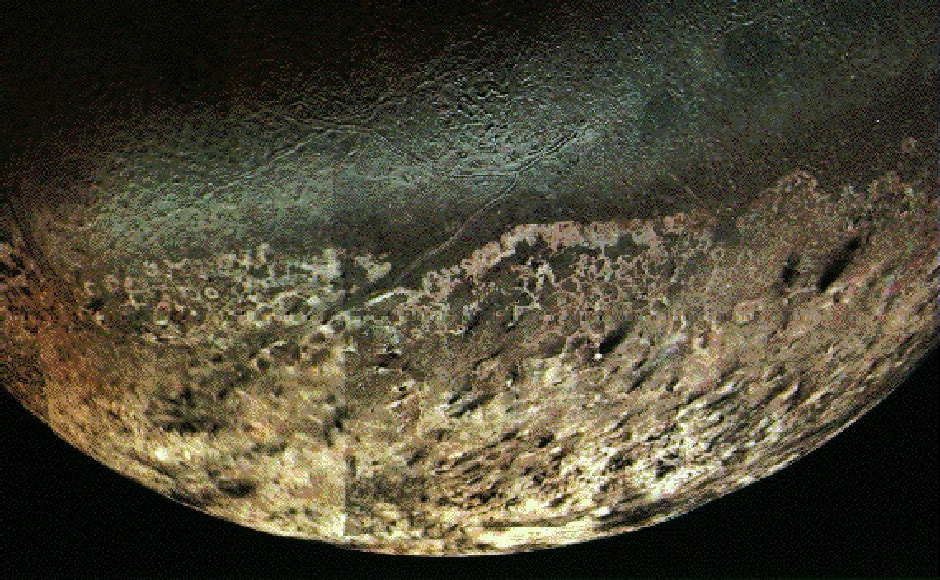 The features of Triton, a moon of Neptune. Image: NASA.[/caption][caption id="attachment_3883593" align="aligncenter" width="940"]
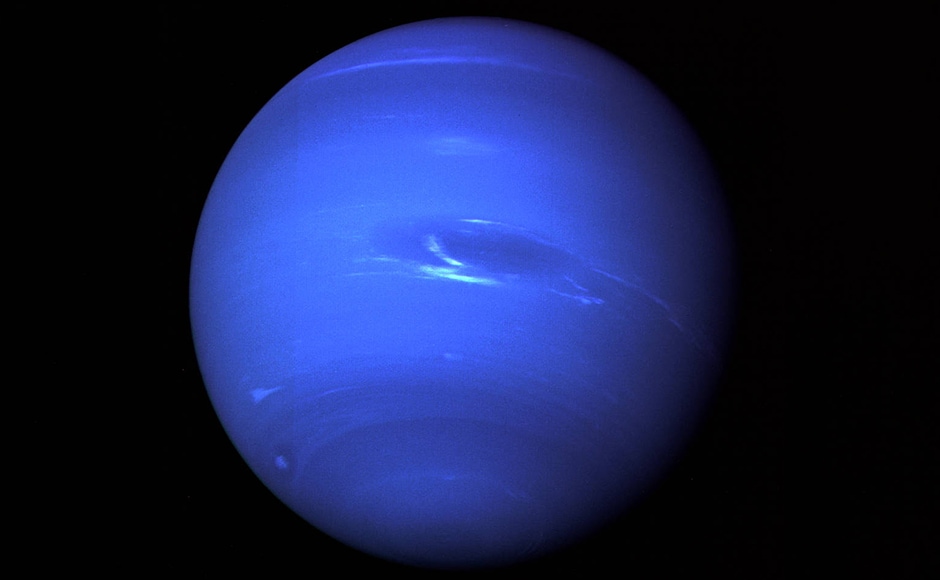 Neptune. Image: NASA.[/caption][caption id="attachment_3883591" align="aligncenter" width="940"]
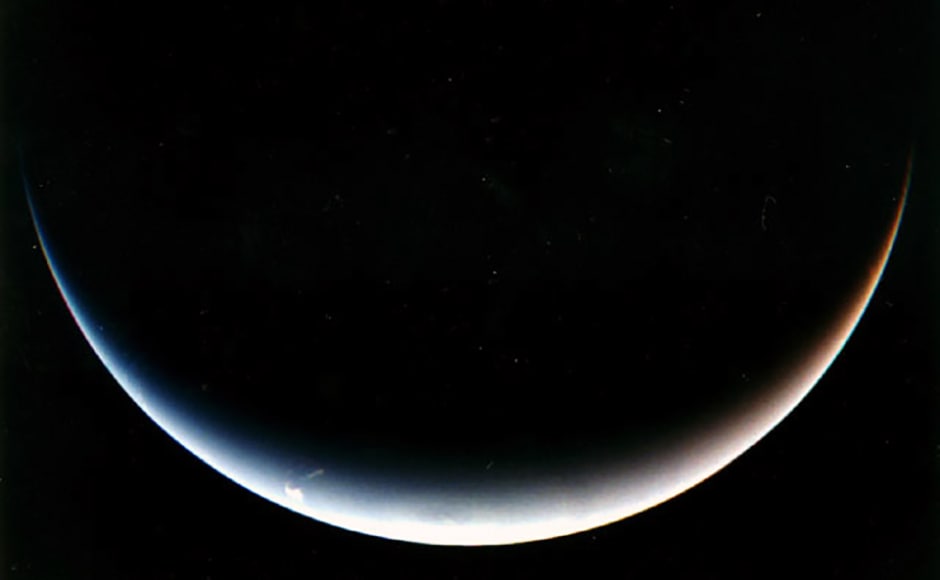 Dawn on Neptune. The Voyager-2 is the only spacecraft to have visited the ice giant. Image: NASA.[/caption][caption id="attachment_3883589" align="aligncenter" width="940"]
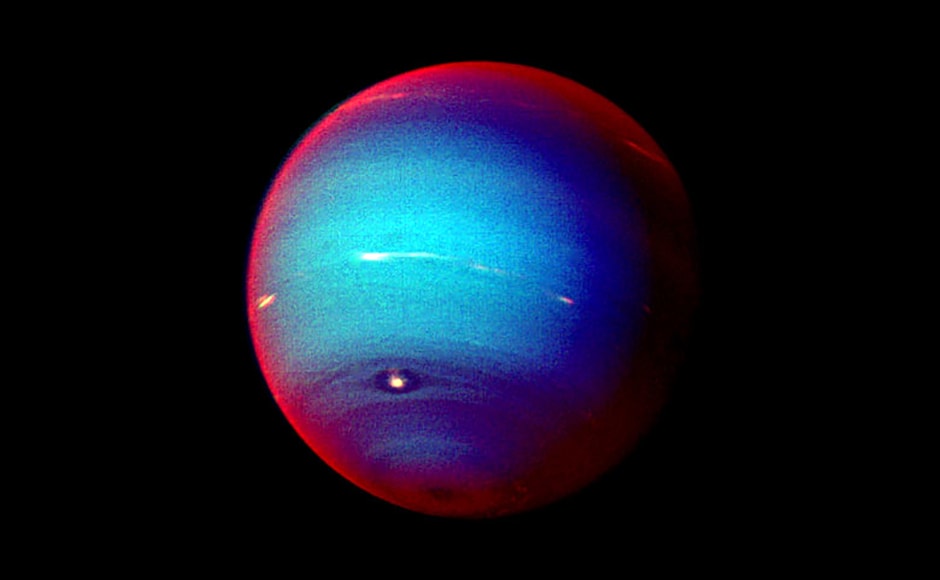 A false colour image of Neptune. Image: NASA.[/caption][caption id="attachment_3883585" align="aligncenter" width="940"]
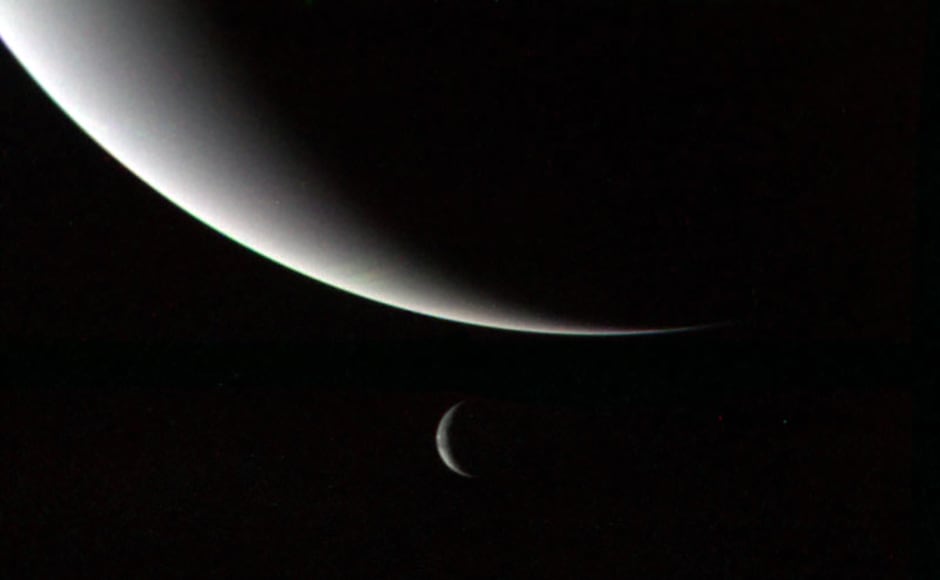 Neptune and Triton. Image: NASA.[/caption][caption id="attachment_3883613" align="aligncenter" width="940"]
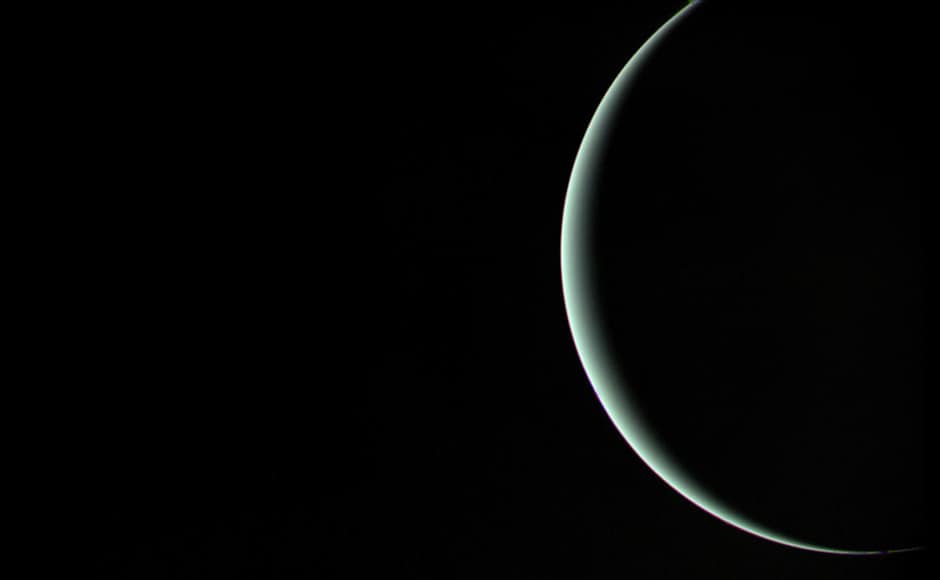 Uranus. Image: NASA.[/caption][caption id="attachment_3883595" align="aligncenter" width="940"]
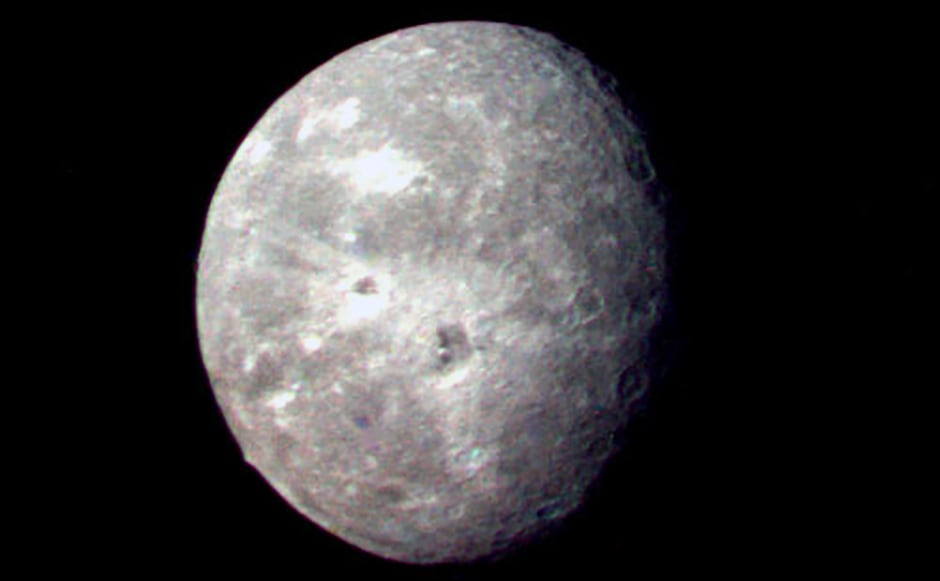 Oberon, one of the moons of Uranus. Image: NASA.[/caption][caption id="attachment_3883597" align="aligncenter" width="940"]
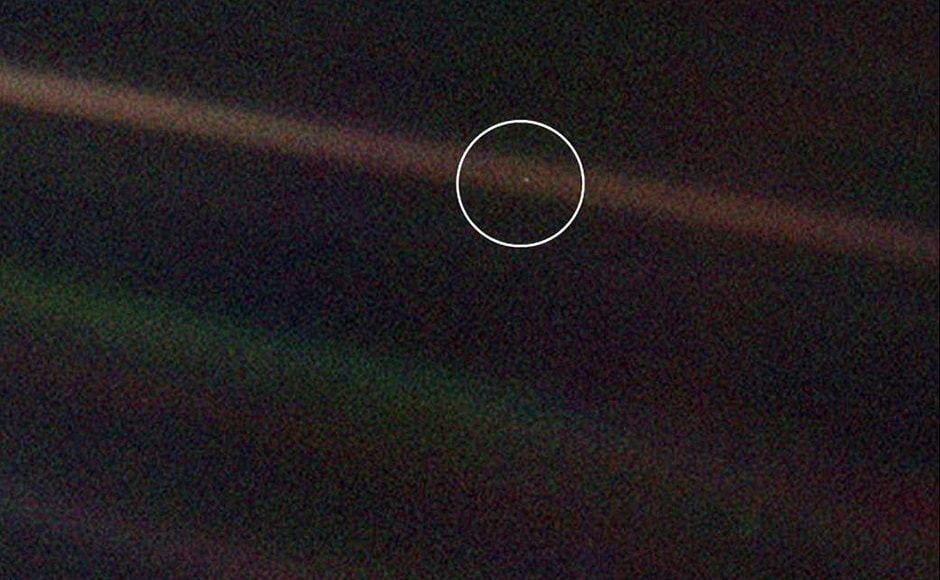 The Pale Blue Dot, an image of the Earth taken from a distance of 6 billion kilometers. The image was captured on the request of astronomer Carl Sagan. While presenting the image, Sagan said, "To my mind, there is perhaps no better demonstration of the folly of human conceits than this distant image of our tiny world. To me, it underscores our responsibility to deal more kindly and compassionately with one another and to preserve and cherish that pale blue dot, the only home we've ever known." Image: NASA.[/caption]

India seize control of Dominica Test after Ravichandran Ashwin rattles West Indies with spin brilliance
India@75: From Jawaharlal Nehru to Narendra Modi, a throwback to Independence Day at Red Fort
Tejashwi Yadav ties knot with school friend Rajshri at intimate ceremony in Delhi
Here's a sneak-peek at the redeveloped Rani Kamalapati Railway Station inaugurated by PM Modi
NASA-SpaceX capsule carrying 4 astronauts returns to Earth, ending 200-day space station mission