


Use one time password, firewall and anti virus programs to secure your online transactions
Avoid making an online transaction while using public wi-fi networks, suggest experts.

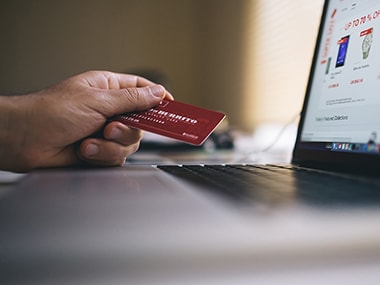
Representational Image[/caption]Brijraj Vaghani, founder and CEO, Ridlr and Rajesh Agarwal, co-founder and managing director of Maventic, have listed some tips.Caution while using public Wi-Fi networks: Dubious networks increase the risk of malicious activity. Hence, it is safer to avoid networks which are not password protected.Use of One Time Password (OTP): One Time Password is a unique number which is generated for that particular transaction. This option is highly secure in comparison to the 3D PIN which is applicable to all transactions.Look for security protocols: Security protocols like HTTPS (Hyper Text Transfer Protocol Secure) which guarantees the website's authenticity along with user protection and transaction security. Secured websites for online transactions can be identified with green sticker and browser URL which starts with https instead of http or www.Use of firewalls and anti-virus programs: Use of updated version of strong anti-virus and firewall security programs ensures protection from new scams and hacker tricks. These programs run virus scans regularly. Also use of an ad-blocking software program is advisable.Avoid common passwords for multiple transactions: In order to avoid the hassle of forgetting passwords, people tend to use one password for a number of transactions including sensitive transactions like net banking and credit cards. This increases the risk of getting trapped as hackers can easily access one password and can enter one's multiple accounts. Hence, it is advisable to have a unique password for different transactions.Caution with public computers: It is advisable to use personal gadget for financial and sensitive transactions over public computers or friend's gadgets.

Why AI notetakers are raising serious privacy and security concerns
China's low-cost AI models are changing the global AI race. Here's why Silicon Valley is worried
China's Kimi K3 challenges US AI leaders with frontier-level performance at lower cost
How did Instagram run ads promoting child abuse in India?
Why has India halted WhatsApp’s username feature before launch?