


US aviation body wants to start tracking drones' locations flying in US airspace at all times
The new regulations require all registered drones within 36 months to begin carrying a specific type of remote identification system that broadcasts over the internet.

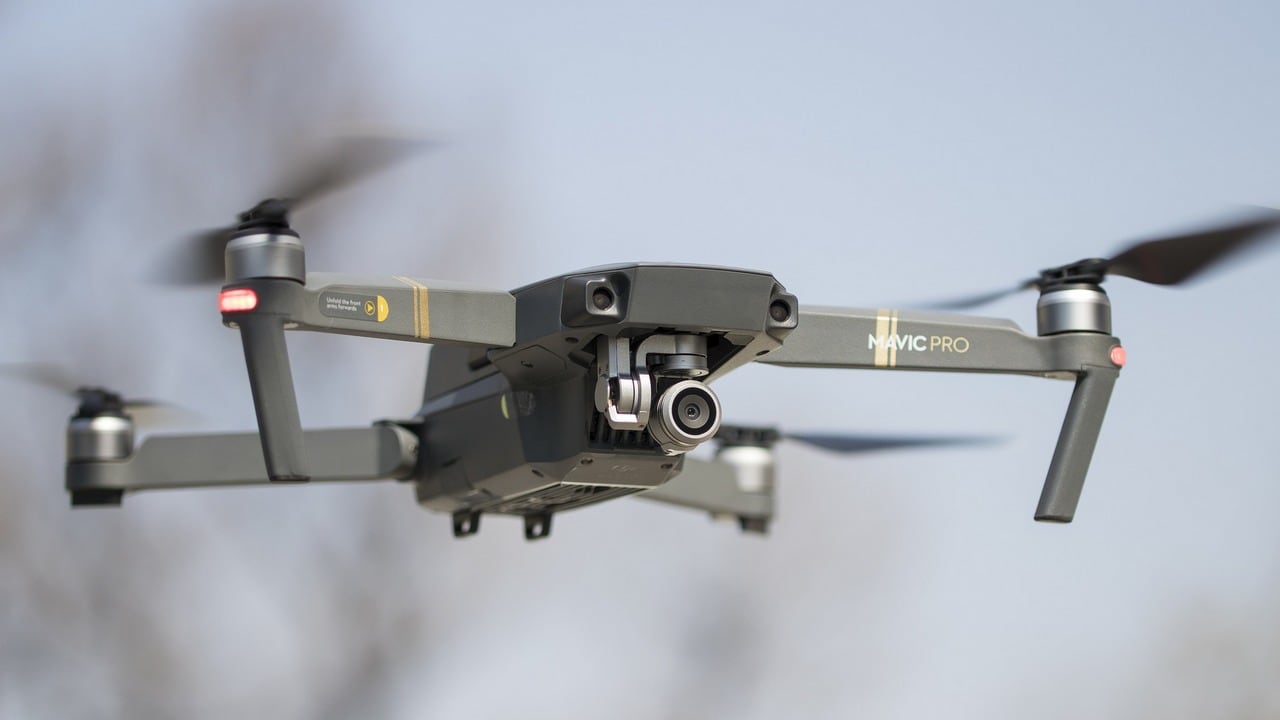
Representational Image. Credit: Pixabay[/caption]Brendan Schulman, vice president for policy and legal affairs at DJI, a Chinese company that is one of the leading manufacturers of small consumer drones, said that for the past several years, industry leaders and government stakeholders had tried to figure out how to create a sort of drone “license plate system.” He said that the proposed system could make sense. His primary concern is that the cost and burden to drone pilots and operators remain low — something he is still evaluating. (DJI was embroiled in another government drone matter, with mounting security concerns that the cameras and other technology on its drones could send surveillance data back to China.)But for Paul Aitken, a founder of DroneU, a drone pilot training company in New Mexico, the costs immediately struck him as excessive. The new regulations require all registered drones within 36 months to begin carrying a specific type of remote identification system that broadcasts over the internet.Often finding an internet connection is not feasible in the locations where drone operators fly, Aitken said. According to his reading of the rules, if you don’t have cellular service or another way to connect to the internet, operators will have to limit flights to 400 feet laterally, which is roughly to the end of a block — and back.Search and rescue missions often require going at least four times that distance, he said. “People will literally die from these rules,” he said, adding that other “industries that are thriving with drones like utility inspection, precision agriculture, land surveying, ranch management and even some construction management would suffer greatly” given that the rules undermine efficiency, which for many is part of the appeal of drones.He is also concerned that drone pilots will have to publicly disclose their locations. “Pilots need privacy to protect them from fear-based citizens who think that drones are spying on them,” he said.A New York City councilman, Justin Brannan, said he thought this was a step in the right direction, however. It is illegal to fly a drone in most of New York City. “We need to create a framework for drones to legally and safely operate here in New York City because I do believe the benefits will outweigh the risks,” he said.The Notice of Proposed Rulemaking, as the proposed legislation is called, will be open for a 60-day comment period. At that point the regulations become law.Jonathan Rupprecht, a Florida-based lawyer who specialises in drones, was left with many questions as to how this would be enforced. He pointed out that the FAA had rarely prosecuted violations of drone regulations — such as flying in a careless manner or flying an unregistered aircraft — over the past decade. “They should refrain from biting off more than they can chew,” he said. Rupprecht said that focusing on locations that need protecting, instead of creating an unwieldy tracking system for the entire United States, would be more realistic.Heather Murphy c.2019 The New York Times Company

Why AI notetakers are raising serious privacy and security concerns
China's low-cost AI models are changing the global AI race. Here's why Silicon Valley is worried
China's Kimi K3 challenges US AI leaders with frontier-level performance at lower cost
How did Instagram run ads promoting child abuse in India?
Why has India halted WhatsApp’s username feature before launch?