


Study reveals that majority of people think smartphones and internet ruin wellbeing
It is also revealed that 50 percent of Gen Z face issues such as tiredness, poor sleep, and headaches as a result of digital consumption.

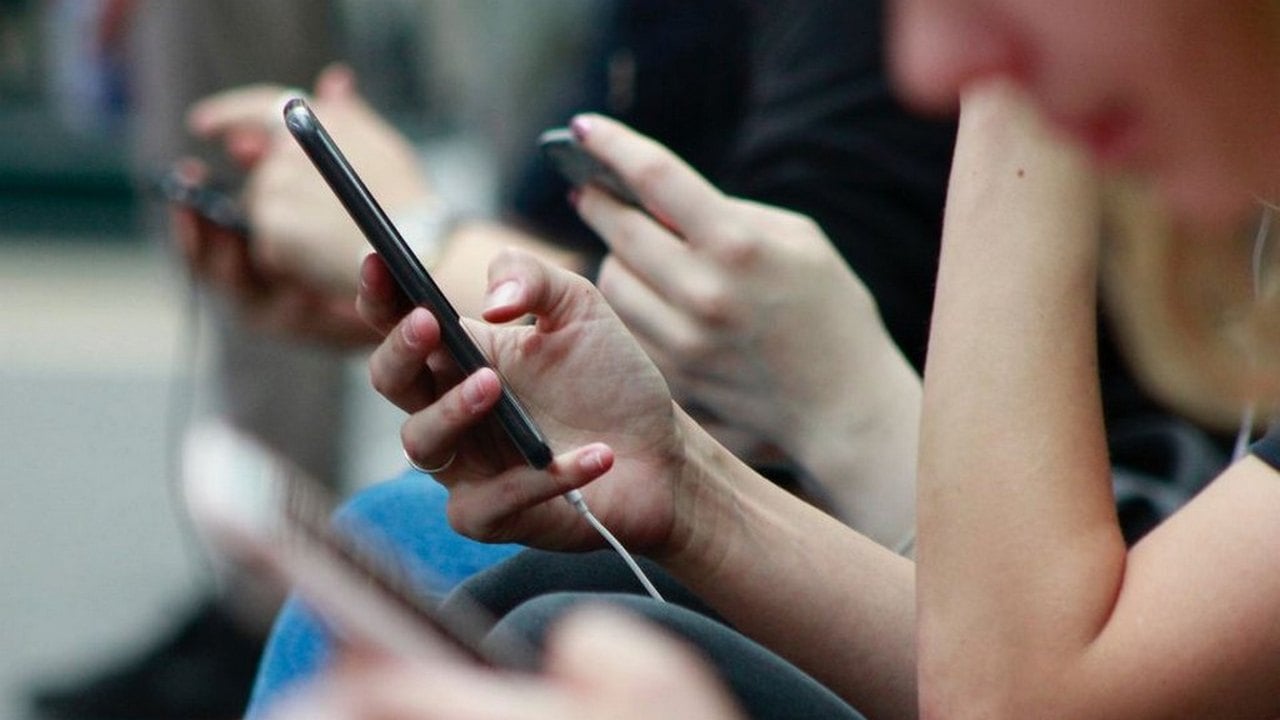
It is also revealed that 50 percent of Gen Z face issues such as tiredness, poor sleep, and headaches as a result of digital consumption.[/caption]Around 37 percent of people think that this usage doesn't balance out their work and social lives. 44 percent of people have also admitted that they let their children use the internet and smartphones without any supervision, which thus, impacts parenting.The number of people worrying about technology affecting their health is more in Sub-Saharan Africa and South Asia with 74 percent and 56 percent, respectively "fearing the negative consequences of the internet on wellbeing". Only 27 percent of people in Europe and Central Asia fear this.It is also revealed that 50 percent of Gen Z face issues such as tiredness, poor sleep, and headaches as a result of digital consumption. Additionally, it is revealed that 48 percent of people spend more time on the internet than expected, 41 percent face withdrawal symptoms when they don't have access to their devices, and 50 percent of respondents are sleep-deprived.Abdullah Al-Rashid, Director of Ithra's Digital wellbeing program says, "As an organisation dedicated to individual enrichment, we at Ithra want to understand the cultural impacts of mankind's growing reliance on the internet and social media. Unfortunately, our research shows that half of all people believe over-reliance on these platforms is damaging their wellbeing. This is why we are launching Sync a new initiative designed to raise awareness about digital wellbeing, support novel research in partnership with global entities, and unite thought leaders globally to find new ways to protect the public".However, there are some positive results too. It is suggested that 88 percent of respondents globally agree that technology results in progress with the "key benefits including access to news, connectivity and freedom". 64 percent of people believe that technology has helped people big time in combating the COVID-19 pandemic. Due to this, 91 percent of people are spending more time online.

Why AI notetakers are raising serious privacy and security concerns
China's low-cost AI models are changing the global AI race. Here's why Silicon Valley is worried
China's Kimi K3 challenges US AI leaders with frontier-level performance at lower cost
How did Instagram run ads promoting child abuse in India?
Why has India halted WhatsApp’s username feature before launch?