


Smartphone-based Covid-19 test uses CRISPR technology, returns results in under 30 mins
The new diagnostic test can generate a positive or negative result, as well as measure the viral load, or concentration of virus, in the sample.

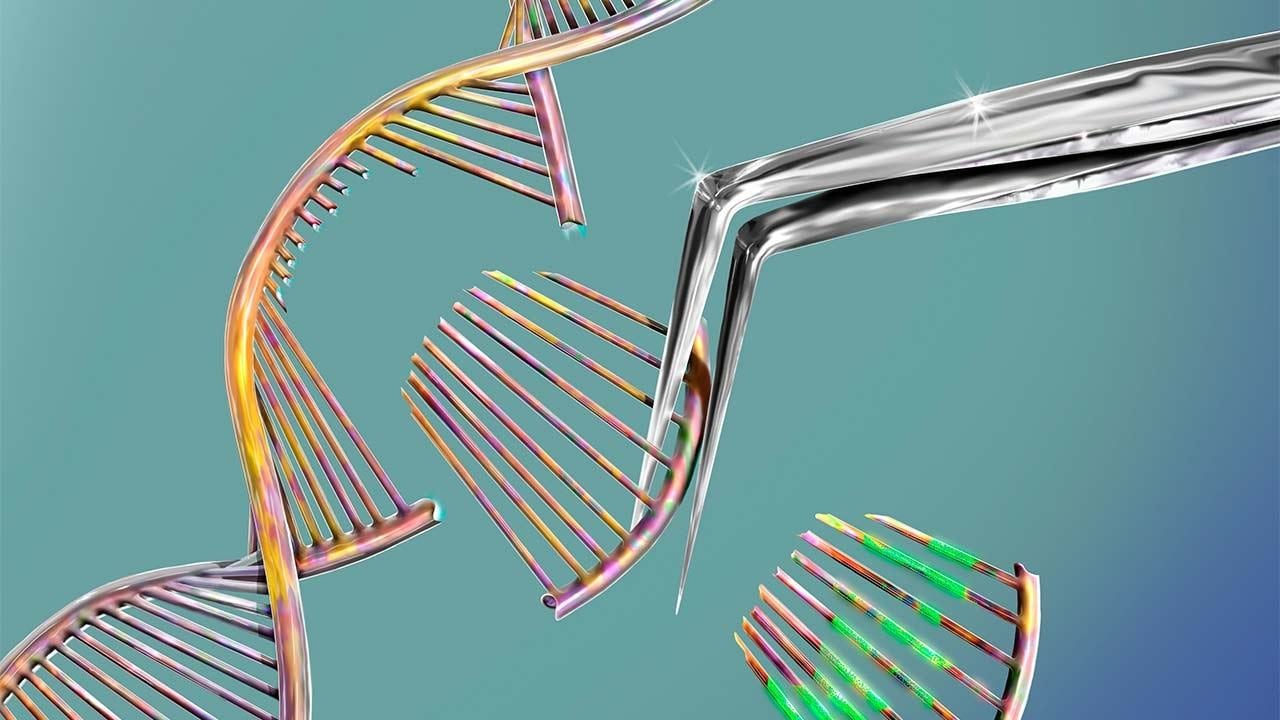
Gene editing as a technology still has a long way to go before being embraced in human trials. Image: Getty[/caption]Jennifer Doudna won the 2020 Nobel Prize in Chemistry for co-discovering CRISPR-Cas genome editing, the technology that underlies this work.In the new test, the Cas13 protein is combined with a reporter molecule that becomes fluorescent when cut, and then mixed with a patient sample from a nasal swab, the researchers said.The sample is placed in a device that attaches to a smartphone. If the sample contains RNA from SARS-CoV-2, Cas13 will be activated and will cut the reporter molecule, causing the emission of a fluorescent signal, they said.The smartphone camera, essentially converted into a microscope, can detect the fluorescence and report that a swab tested positive for the virus, according to the researchers.They say that the assay could be adapted to a variety of mobile phones, making the technology easily accessible.When the scientists tested their device using patient samples, they confirmed that it could provide a very fast turnaround time of results for samples with clinically relevant viral loads.

Why AI notetakers are raising serious privacy and security concerns
China's low-cost AI models are changing the global AI race. Here's why Silicon Valley is worried
China's Kimi K3 challenges US AI leaders with frontier-level performance at lower cost
How did Instagram run ads promoting child abuse in India?
Why has India halted WhatsApp’s username feature before launch?