
Advertisement


Sections
Redmi Smart TV series with Android 11, 20 W speakers launched in India at a starting price of Rs 15,999
The TVs offer access to over 5,000 apps and games, built-in Chromecast, 15+ different languages, new design changes, the Mi Home app for controlling connected devices, and more.

Redmi India, a sub-brand of Xiaomi India, has added two new Redmi smart TVs to its product line-up in the country. The smart TVs come with Android 11, Vivid Picture Engine technology, and more features as their highlights. It is suggested that the TVs "set a new benchmark for the TV industry."There is a 32-inch HD TV and a 43-inch Full HD smart TV. Both come with the Vivid Picture Engine technology for a vibrant viewing experience and true-to-life colours. The TVs also come with customisable picture controls and gives people the option to set the granular settings.[caption id="attachment_9990301" align="alignnone" width="1280"]![Redmi Smart TV]()
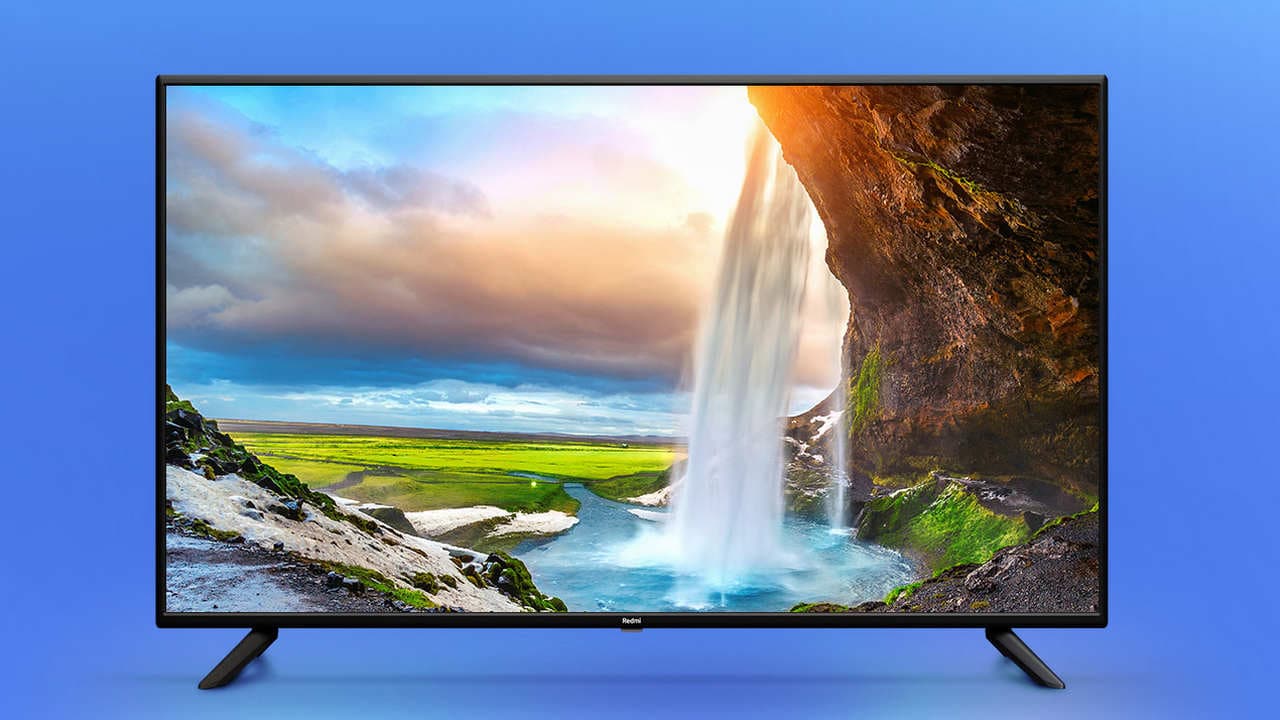
Redmi Smart TV[/caption]
The new Redmi Smart TV Series come with support for 20W speakers and Dolby Audio (Dolby 5.1 surround sound). There is also support for Dolby Atmos via ARC Port, DTS: Virtual X and DTS-HD.The new Xiaomi Redmi TVs are priced at Rs 15,999 for the 32-inch variant and Rs 25,999 for the 43-inch variant. They will be available for purchase across all offline retail partners and via Mi.com, Mi Studio, Mi Home and Amazon.in.As an introductory offer, there will be discounts on both of them during a limited sale on the first day of Diwali With Mi across all our channels and on the Amazon Great Indian Festival.The TVs run Android 11 with PatchWall 4 on top for access to over 5,000 apps and games, built-in Chromecast, 15+ different languages, new design changes, the Mi Home app for controlling connected devices, and more. It also comes with Google Assistant support and QuickMute/QuickWake remote control features, and more.The Redmi Smart TVs are powered by a 64-bit quad-core processor, which is paired up with a Mali G31 GPU and quad-core A35 CPU. The device includes 1 GB of RAM and 8 GB of ROM. Connectivity-wise, it supports Dual-Band Wi-Fi, Bluetooth 5.0, two USB 2.0 ports, an Ethernet port, an AV port, and a 3.5 mm jack. Both TVs are packed in repurposable packaging for the environment.First Published:Sep 23, 2021, 13:52:27 IST
Advertisement
Advertisement

Why AI notetakers are raising serious privacy and security concerns
AI notetakers promise effortless meeting summaries, but experts warn they could expose confidential conversations, corporate secrets and personal voiceprints. As businesses increasingly adopt AI-powered meeting assistants, questions over data storage, privacy, consent and legal risks are becoming impossible to ignore
5 min read
China's low-cost AI models are changing the global AI race. Here's why Silicon Valley is worried
As Chinese firms continue to improve performance while keeping prices low, the AI race is no longer just about building the smartest model—it is increasingly becoming a battle over who can deliver the best value
2 min read
China's Kimi K3 challenges US AI leaders with frontier-level performance at lower cost
Chinese artificial intelligence startup Moonshot AI has unveiled its latest open-weight AI model, Kimi K3, with early results suggesting it could compete with some of the world's most advanced AI systems developed by leading US companies
2 min read
How did Instagram run ads promoting child abuse in India?
India has issued a notice to Meta after an investigation alleged that Instagram displayed paid advertisements promoting child sexual abuse material. MeitY ordered Meta to remove such Instagram ads and explain within seven days how they were approved
8 min read
Why has India halted WhatsApp’s username feature before launch?
India has halted WhatsApp’s planned username feature, citing concerns about cybercrime, impersonation, and law enforcement challenges. As Meta races to address security concerns, here’s why MeitY has paused the rollout, what the feature does, and how it could influence privacy and online safety in India
3 min read
Advertisement
Advertisement