


Pentagon urges military personnel to stay away from consumer genetic testing to avoid security risks
Over the past decade, millions of Americans have purchased DNA tests through companies such as 23andMe and Ancestry with the hopes of connecting with relatives

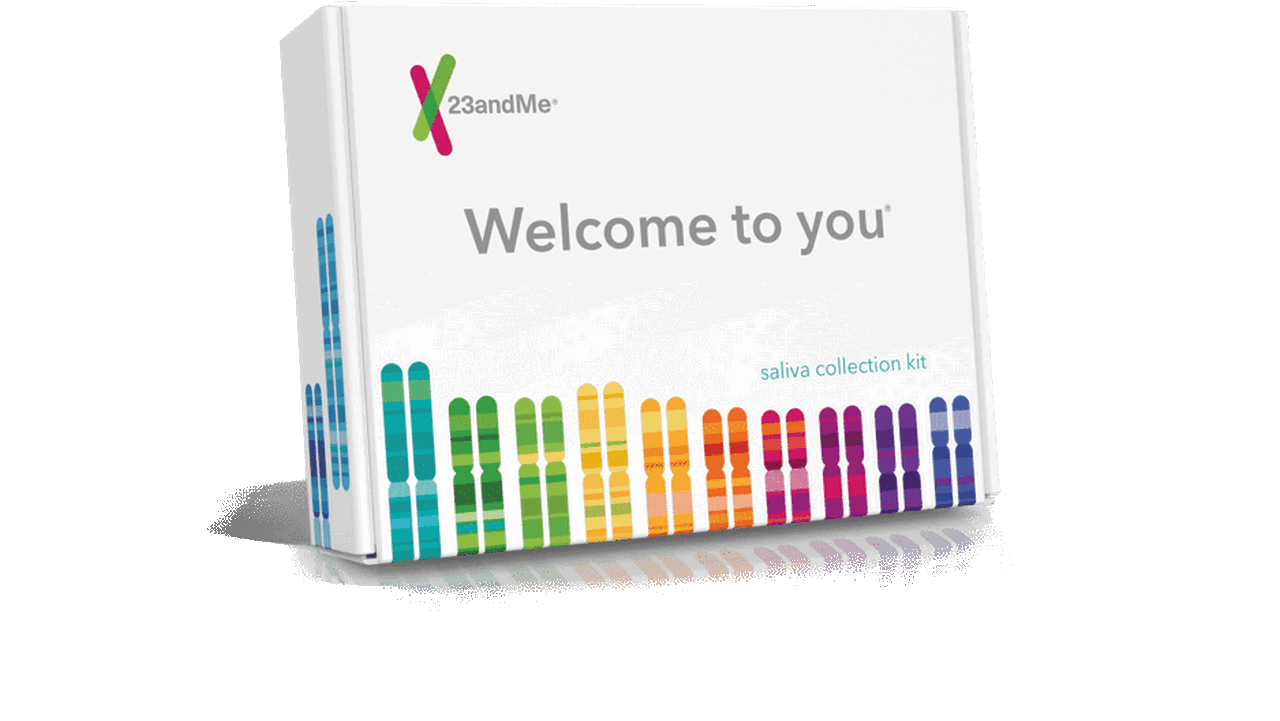
23AndMe DNA testing Kit. Image: 23AndMe[/caption]Robertson said that the tests might provide inaccurate results and have negative professional consequences. “The unintentional discovery of markers that may affect readiness could affect a service member’s career, and the information from DTC genetic testing may disclose this information,” he said.Genetic tests have more serious employment implications for members of the military than the average office worker, said Frederick Bieber, an associate professor of pathology at Harvard Medical School, who served as an Army Reserve officer at the DNA Identification Lab in Rockville, Maryland.The Genetic Information Nondiscrimination Act — known as GINA — prohibits discrimination by health insurers and employers based on the information that people carry in their genes. It does not apply to members of the military, however.“The military can make decisions about operational readiness,” Bieber said, whereas “in the civilian world there are prohibitions about it.”If a DNA test shows that someone has carrier status for sickle cell trait, for example, he said it could limit advancement in some aviation specialities.The memo was written by Joseph D Kernan, the undersecretary of defence for intelligence, and James N Stewart, the assistant secretary of defence for manpower. They warn that the tests “could expose personal and genetic information, and potentially create unintended security consequences and increased risk to the joint force and mission.”The memo does not get into what specifically these risks might be, and Robertson declined to elaborate.In a statement, a spokeswoman from 23andMe said that the company took great care to protect customers’ privacy.“Our FDA-authorised health reports have been tested to be over 99 percent accurate,” she said. “All of our testing is done in the US, and we do not share information with third parties without separate, explicit consent from our customers.”An Ancestry spokeswoman said that the company had not targeted military personnel with discounts. “Ancestry does not share customer DNA data with insurers, employers, or third-party marketers,” she added.The Pentagon does not advise against genetic testing altogether. But service members were encouraged to get genetic information “from a licensed professional rather than a consumer product,” Robertson said.Heather Murphy and Mihir Zaveri c.2019 The New York Times Company

Why AI notetakers are raising serious privacy and security concerns
China's low-cost AI models are changing the global AI race. Here's why Silicon Valley is worried
China's Kimi K3 challenges US AI leaders with frontier-level performance at lower cost
How did Instagram run ads promoting child abuse in India?
Why has India halted WhatsApp’s username feature before launch?