


OnePlus 6T teardown reveals the magic behind its in-display fingerprint scanner
Until now, we couldn’t take a closer look at the optical fingerprint scanner on the OnePlus 6T.
-2.jpg?im=Resize,width=500,aspect=fit,type=normal)
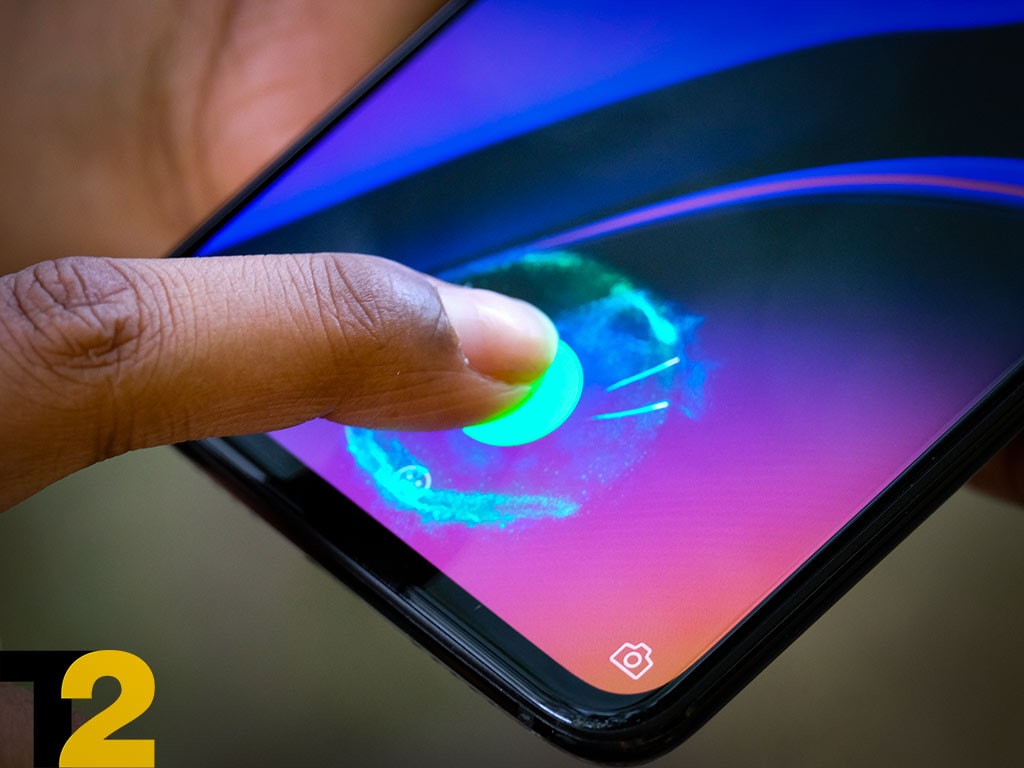
The optical fingerprint scanner on the OnePlus 6T is slower and less reliable than the one it replaces. Image: Anirudh Regidi/Tech2[/caption]Optical scanner: This captures an image of the finger and requires light for doing so. That shiny ring of light around your finger when you scan it on the OnePlus 6T isn’t just for show, it’s there to illuminate your finger so the sensor (usually a camera) can take a photo. This scanner is the least reliable because any dirt or irregularity on your finger or surface, even a scratch, could result in a failed authentication. It’s also one of the easiest technologies to fool since all it needs is a 2D image of your fingerprint.Capacitive sensor: This is by far the most popular option. Unlike the optical scanner, a capacitive scanner uses capacitors (electricity) to take a snapshot of your finger. These sensors are far more reliable because they capture the 3D shape of your fingerprint and not just its image. Most fingerprint scanners, including Apple’s TouchID, use this technology.Ultrasonic sensor: These sensors goes deeper. Where the previous two examples capture the surface of your finger, an ultrasonic scanner uses sound waves to map the dermal layer of your skin, i.e. the layer just under the outer layer of skin. Because of this, these sensors are extremely accurate and almost impossible to fool. They’re also undeterred by dirt or scars.

Why AI notetakers are raising serious privacy and security concerns
China's low-cost AI models are changing the global AI race. Here's why Silicon Valley is worried
China's Kimi K3 challenges US AI leaders with frontier-level performance at lower cost
How did Instagram run ads promoting child abuse in India?
Why has India halted WhatsApp’s username feature before launch?