


Nissan's HumanDrive prototype car wraps up UK's longest, most complex driverless trip
Britain has been hoping to grab a slice of the driverless vehicle market, estimated to be worth some £900 bn globally by 2035.

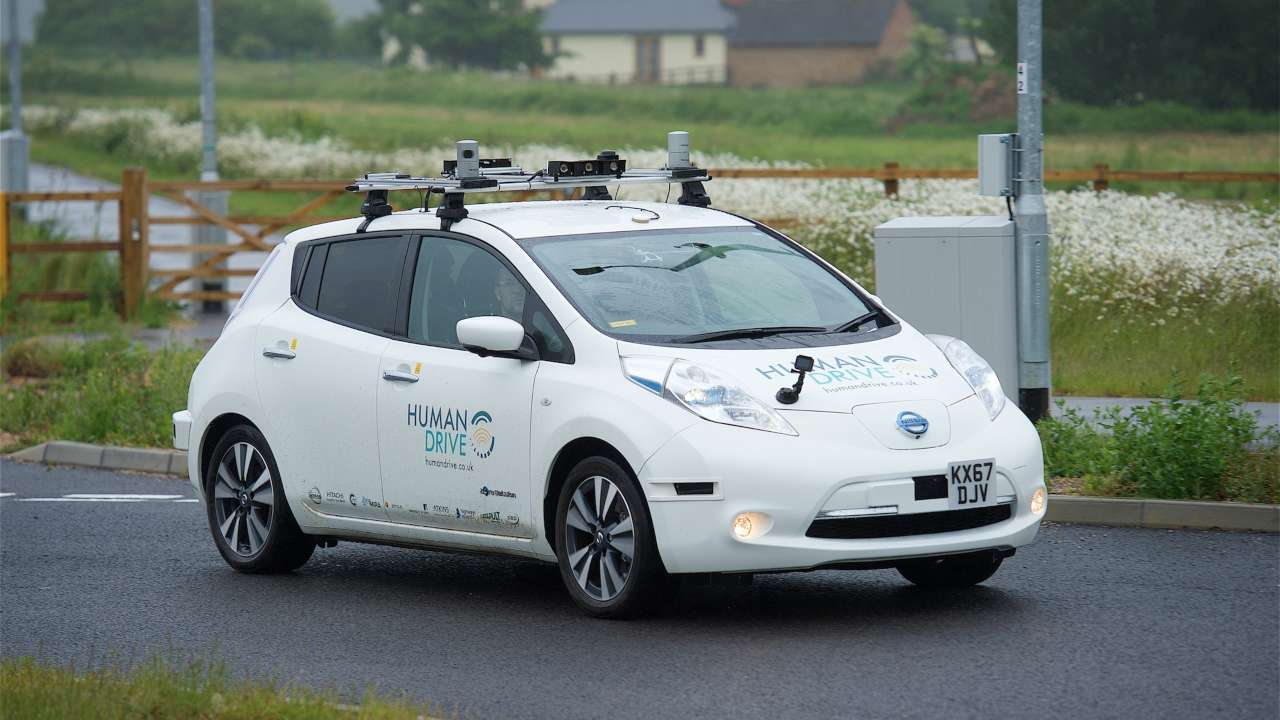
Nissan's HumanDrive driverless car off on a test ride in June 2019. Image: HumanDrive[/caption]The 370-km journey began at the Japanese carmaker's European technical centre in Cranfield, southern England, and ended at its Sunderland factory in the northeast.It included roads with no or minimal markings, junctions and roundabouts, using advanced positioning technology."Other drivers around the vehicle would not have noticed that the vehicle is actually fully autonomous," the head of Nissan's research and development in Europe David Moss told Reuters."The vehicle is much more aware of what is happening in that surrounding area than possibly a driver would be because of the amount of sensors which are continually monitoring the environment."The project, known as HumanDrive and led by Nissan as part of a consortium, also received government funding and worked with the relevant authorities to receive approval for the drive.

Why AI notetakers are raising serious privacy and security concerns
China's low-cost AI models are changing the global AI race. Here's why Silicon Valley is worried
China's Kimi K3 challenges US AI leaders with frontier-level performance at lower cost
How did Instagram run ads promoting child abuse in India?
Why has India halted WhatsApp’s username feature before launch?