
Advertisement


Sections
National Drone Policy is progressive but there are grey areas that need to be addressed
The DGCA released version 1 of the National Drone Policy, 2018 (Drone Policy) on 27 August 2018.

In India, the first notification regulating the drone industry came as a public notice issued by India’s Civil Aviation regulator, Directorate General of Civil Aviation (DGCA) on 7 October 2014. The notification laid down the need for potential operators to take “approval from the Air Navigation Service provider ie the Airport Authority of India, Ministry of Defence, Ministry of Home Affairs, and other security agencies, besides the DGCA.”The list of approvals and prerequisites were conditions masquerading as a shadow ban, as it was almost impossible to get clearances from each body. The only positive part in the notification was the future promise by Civil Aviation Ministry that, “DGCA is in the process of formulating the regulations and globally harmonise those for regulatory certification and operation for use of unmanned aircraft system (UAS) in the Indian civil airspace.”[caption id="attachment_5639611" align="alignnone" width="1024"]![A drone is used to survey high-voltage power lines in Wilnsdorf, Germany. Image: Reuters]() A drone is used to survey high-voltage power lines in Wilnsdorf, Germany. Image: Reuters[/caption]After a long waiting period of two years, in April 2016, the DGCA prepared another set of draft guidelines on the use of drones for civilian or recreational purposes and invited suggestions and recommendations from different stakeholders for a period of 21 days.In October 2017, the DGCA issued another set of guidelines seeking, once again, comments from the stakeholders by 31 December 2017. However, flying drones had a tremendous impact on security and privacy. Taking into consideration the rapid changes taking place within the industry and global market of drones, repeated draft guidelines were a reflection of the pressure they were facing from multiple stakeholders to develop an effective regime.The DGCA, Government of India released the much-awaited National Drone Policy, 2018 version 1 (Drone Policy) on 27 August 2018. The subject matter of the regulation is ‘Requirements for Operation of Civil Remotely Piloted Aircraft System (RPAS)’. The policy legalises the use and operation of drones in India and is set to come to effect from 1 December 2018.The rules announced are the first in a series of several rules and regulations and are titled Regulations 1.0. The Minister of State for Civil Aviation Jayant Sinha has reiterated that the Drone Task Force, chaired by him, is working on policy regulations for the future (Drone Regulations 2.0.) which will allow for flying automated drones that operate beyond the line of sight and also regulate the certification of safe and controlled operation of drone hardware and software, airspace management through automated operations, establishing global standards, among other modifications.The DGCA has defined Drone/remotely piloted aircraft (RPA) as an unmanned aircraft piloted from a remote pilot station. The remotely piloted aircraft, its associated remote pilot station(s), command and control links and any other components form a Remotely Piloted Aircraft System (RPAS). As per the civil aviation requirements issued under the provisions of Rule 15A and Rule 133A of the Aircraft Rules, 1937, these drones will need a registered Unique Identification Number (UIN), Unmanned Aircraft Operator Permit (UAOP) and require to adhere to other operational requirements.[caption id="attachment_4755971" align="alignnone" width="1280"]
A drone is used to survey high-voltage power lines in Wilnsdorf, Germany. Image: Reuters[/caption]After a long waiting period of two years, in April 2016, the DGCA prepared another set of draft guidelines on the use of drones for civilian or recreational purposes and invited suggestions and recommendations from different stakeholders for a period of 21 days.In October 2017, the DGCA issued another set of guidelines seeking, once again, comments from the stakeholders by 31 December 2017. However, flying drones had a tremendous impact on security and privacy. Taking into consideration the rapid changes taking place within the industry and global market of drones, repeated draft guidelines were a reflection of the pressure they were facing from multiple stakeholders to develop an effective regime.The DGCA, Government of India released the much-awaited National Drone Policy, 2018 version 1 (Drone Policy) on 27 August 2018. The subject matter of the regulation is ‘Requirements for Operation of Civil Remotely Piloted Aircraft System (RPAS)’. The policy legalises the use and operation of drones in India and is set to come to effect from 1 December 2018.The rules announced are the first in a series of several rules and regulations and are titled Regulations 1.0. The Minister of State for Civil Aviation Jayant Sinha has reiterated that the Drone Task Force, chaired by him, is working on policy regulations for the future (Drone Regulations 2.0.) which will allow for flying automated drones that operate beyond the line of sight and also regulate the certification of safe and controlled operation of drone hardware and software, airspace management through automated operations, establishing global standards, among other modifications.The DGCA has defined Drone/remotely piloted aircraft (RPA) as an unmanned aircraft piloted from a remote pilot station. The remotely piloted aircraft, its associated remote pilot station(s), command and control links and any other components form a Remotely Piloted Aircraft System (RPAS). As per the civil aviation requirements issued under the provisions of Rule 15A and Rule 133A of the Aircraft Rules, 1937, these drones will need a registered Unique Identification Number (UIN), Unmanned Aircraft Operator Permit (UAOP) and require to adhere to other operational requirements.[caption id="attachment_4755971" align="alignnone" width="1280"]![Representational image.]() Representational image.[/caption]The DGCA has classified drones into five different categories in accordance with their maximum take-off weight as follows:According to a study conducted by BIS Research, a global market intelligence and advisory firm, the global commercial drone market size will touch $21.47 billion and is expected to grow at a Compound Annual Growth Rate (CAGR) of 16.9 percent over the period. Aviation regulatory bodies such as the Federal Aviation Administration (FAA) of the United States and the European Aviation Safety Agency (EASA) have banned the use of UAVs acknowledging their limitations in regulating air traffic on such a huge scale and the safety and security of the citizens.AeroVironment Inc., BAE Systems, Elbit Systems Ltd., General Atomics, Israel Aerospace Industries, Lockheed Martin Corporation and the Boeing Company dominate commercial drone market share globally.Technology licensing and vertical integration are predicted to be commonly adopted strategies of the industry participants. According to PwC, in the United Kingdom alone, drones could give a £42 billion GDP boost to the UK economy by 2030, and create 6,28,000 new jobs.A policy on paper may convey a grand vision. The key, however, is its productive implementation. There are various restrictions like licenses, investment restrictions and control regulations on foreign drone players operating in India.This policy is still at its nascent stage, so it is difficult to ascertain the hits and misses until an effective auditing is carried out of its implementation. This also imposes a responsibility on the government to legislate and provide a legal framework for issues like privacy and security. There are high chances that the regulations may get modified and changed in the future considering the new challenges.Adithya Anil Variath is a final year student of law at University of Mumbai’s School of Law
Representational image.[/caption]The DGCA has classified drones into five different categories in accordance with their maximum take-off weight as follows:According to a study conducted by BIS Research, a global market intelligence and advisory firm, the global commercial drone market size will touch $21.47 billion and is expected to grow at a Compound Annual Growth Rate (CAGR) of 16.9 percent over the period. Aviation regulatory bodies such as the Federal Aviation Administration (FAA) of the United States and the European Aviation Safety Agency (EASA) have banned the use of UAVs acknowledging their limitations in regulating air traffic on such a huge scale and the safety and security of the citizens.AeroVironment Inc., BAE Systems, Elbit Systems Ltd., General Atomics, Israel Aerospace Industries, Lockheed Martin Corporation and the Boeing Company dominate commercial drone market share globally.Technology licensing and vertical integration are predicted to be commonly adopted strategies of the industry participants. According to PwC, in the United Kingdom alone, drones could give a £42 billion GDP boost to the UK economy by 2030, and create 6,28,000 new jobs.A policy on paper may convey a grand vision. The key, however, is its productive implementation. There are various restrictions like licenses, investment restrictions and control regulations on foreign drone players operating in India.This policy is still at its nascent stage, so it is difficult to ascertain the hits and misses until an effective auditing is carried out of its implementation. This also imposes a responsibility on the government to legislate and provide a legal framework for issues like privacy and security. There are high chances that the regulations may get modified and changed in the future considering the new challenges.Adithya Anil Variath is a final year student of law at University of Mumbai’s School of Law
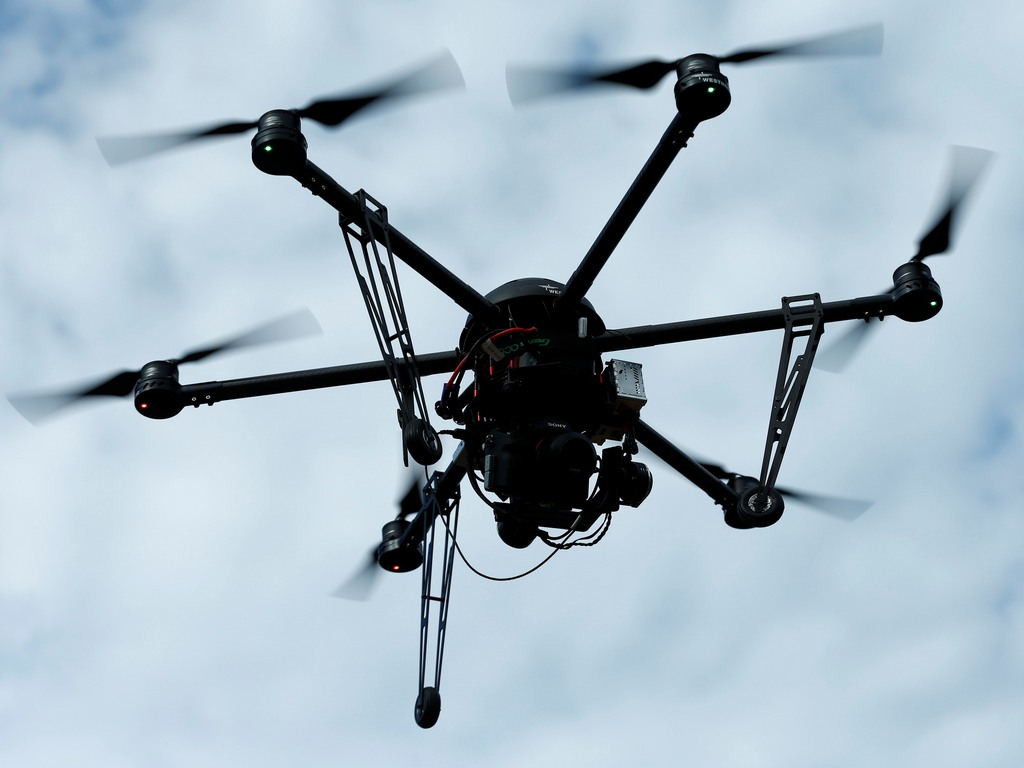 A drone is used to survey high-voltage power lines in Wilnsdorf, Germany. Image: Reuters[/caption]After a long waiting period of two years, in April 2016, the DGCA prepared another set of draft guidelines on the use of drones for civilian or recreational purposes and invited suggestions and recommendations from different stakeholders for a period of 21 days.In October 2017, the DGCA issued another set of guidelines seeking, once again, comments from the stakeholders by 31 December 2017. However, flying drones had a tremendous impact on security and privacy. Taking into consideration the rapid changes taking place within the industry and global market of drones, repeated draft guidelines were a reflection of the pressure they were facing from multiple stakeholders to develop an effective regime.The DGCA, Government of India released the much-awaited National Drone Policy, 2018 version 1 (Drone Policy) on 27 August 2018. The subject matter of the regulation is ‘Requirements for Operation of Civil Remotely Piloted Aircraft System (RPAS)’. The policy legalises the use and operation of drones in India and is set to come to effect from 1 December 2018.The rules announced are the first in a series of several rules and regulations and are titled Regulations 1.0. The Minister of State for Civil Aviation Jayant Sinha has reiterated that the Drone Task Force, chaired by him, is working on policy regulations for the future (Drone Regulations 2.0.) which will allow for flying automated drones that operate beyond the line of sight and also regulate the certification of safe and controlled operation of drone hardware and software, airspace management through automated operations, establishing global standards, among other modifications.The DGCA has defined Drone/remotely piloted aircraft (RPA) as an unmanned aircraft piloted from a remote pilot station. The remotely piloted aircraft, its associated remote pilot station(s), command and control links and any other components form a Remotely Piloted Aircraft System (RPAS). As per the civil aviation requirements issued under the provisions of Rule 15A and Rule 133A of the Aircraft Rules, 1937, these drones will need a registered Unique Identification Number (UIN), Unmanned Aircraft Operator Permit (UAOP) and require to adhere to other operational requirements.[caption id="attachment_4755971" align="alignnone" width="1280"]
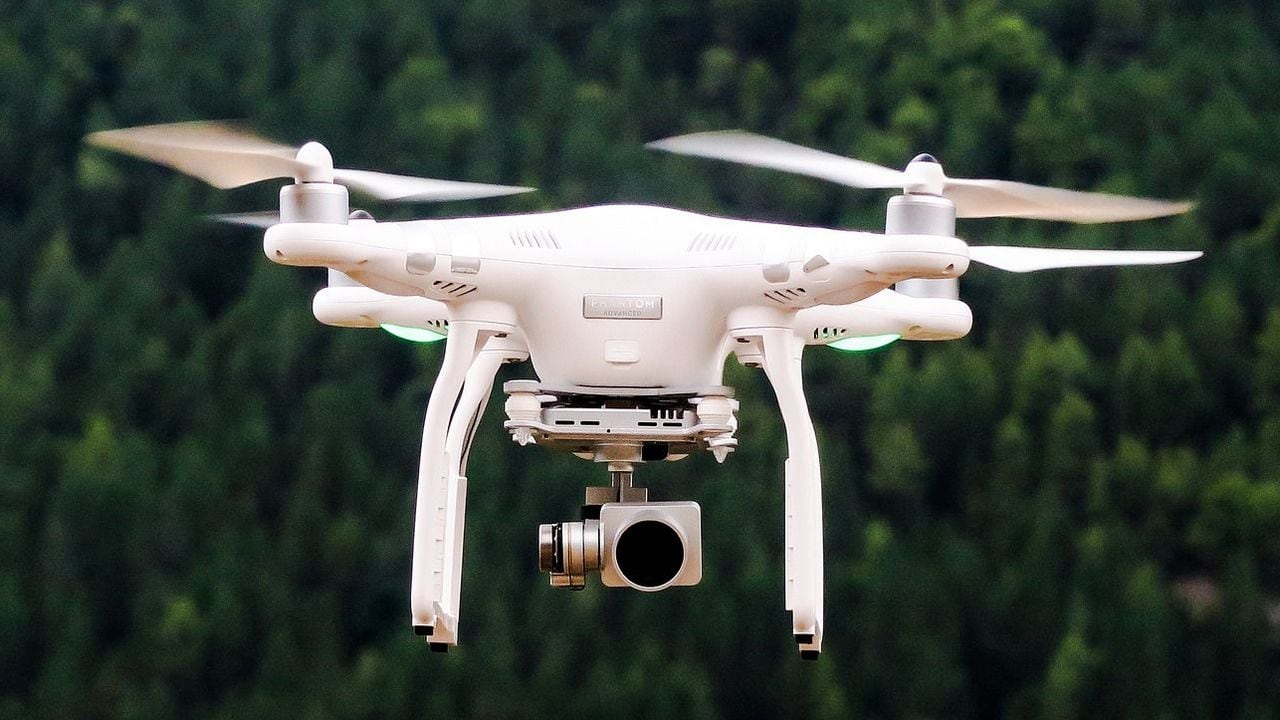 Representational image.[/caption]The DGCA has classified drones into five different categories in accordance with their maximum take-off weight as follows:
- Nano — Less than or equal to 250 g
- Micro — From 250 g to 2 kg
- Small — From 2 kg to 25 kg
- Medium — From 25 kg to 150 kg
- Large — Greater than 150 kg
First Published:Nov 29, 2018, 14:43:56 IST
Advertisement
Advertisement

Why AI notetakers are raising serious privacy and security concerns
AI notetakers promise effortless meeting summaries, but experts warn they could expose confidential conversations, corporate secrets and personal voiceprints. As businesses increasingly adopt AI-powered meeting assistants, questions over data storage, privacy, consent and legal risks are becoming impossible to ignore
5 min read
China's low-cost AI models are changing the global AI race. Here's why Silicon Valley is worried
As Chinese firms continue to improve performance while keeping prices low, the AI race is no longer just about building the smartest model—it is increasingly becoming a battle over who can deliver the best value
2 min read
China's Kimi K3 challenges US AI leaders with frontier-level performance at lower cost
Chinese artificial intelligence startup Moonshot AI has unveiled its latest open-weight AI model, Kimi K3, with early results suggesting it could compete with some of the world's most advanced AI systems developed by leading US companies
2 min read
How did Instagram run ads promoting child abuse in India?
India has issued a notice to Meta after an investigation alleged that Instagram displayed paid advertisements promoting child sexual abuse material. MeitY ordered Meta to remove such Instagram ads and explain within seven days how they were approved
8 min read
Why has India halted WhatsApp’s username feature before launch?
India has halted WhatsApp’s planned username feature, citing concerns about cybercrime, impersonation, and law enforcement challenges. As Meta races to address security concerns, here’s why MeitY has paused the rollout, what the feature does, and how it could influence privacy and online safety in India
3 min read
Advertisement
Advertisement