


Indian OEMs including Micromax, Lava blame GSMA for favouring Chinese phone makers
GSMA is the international trade body which allocates a part of the IMEI numbers to all devices.

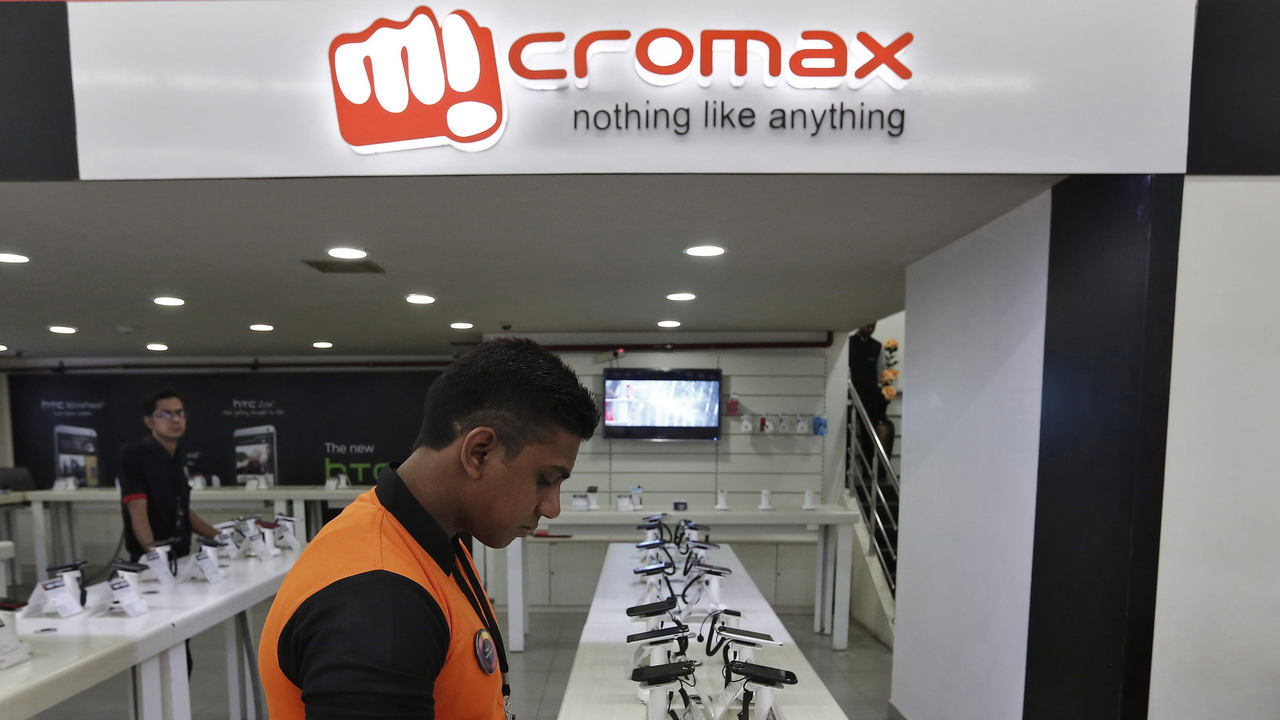
An employee stands at the counter of Micromax mobile phones at a showroom in New Delhi. Reuters[/caption]Much like their Chinese counterparts, the Indian OEMs also focus on low-cost 4G-enabled devices. However, their sales numbers are marginally less compared to Chinese companies, with only Micromax still surviving among the onslaught of Chinese brands.A number of Indian smartphone manufacturers have now alleged that GSMA, has been biased in favour of Chinese companies. What is GSMA and why is the body important? Well, GSMA is the international trade body which represents almost 1,200 telecom operators and allocates a part of the IMEI numbers to all cellular devices.According to a report by the Economic Times, Indian companies have complained that GSMA offers huge discounts to Chinese manufacturers while they have to pay the full allotment fee for Type Allocation Codes.For those wondering, Type Allocation Codes are the first eight digits of the IMEI numbers allotted to all devices which use GSM connections.As per the report, Indian companies are asked to pay $5-6 million as full allotment fee for these codes. The current fee for TAC is $400 per device model, which is capped at $30,000 a year. Chinese firms, who get a 30 percent rebate, were exempted from paying the fee in the period from 2010 to 2017.The companies have now demanded a full refund of the TAC allotment fees paid by them during the period and have sought the government's help in the matter.The international trade body has admitted to this difference in fees but has opposed the allegations of bias. GSMA in a statement to the Economic Times said that it is "working with the Indian government and relevant handset manufacturers to understand their concerns."Citing confidentiality, GSMA has refrained from offering any other details about discussions with government authorities. However, the body did cite "regulator barriers outside of its control" which prevented it from charging the similar fees in different regions until 2017.

Why AI notetakers are raising serious privacy and security concerns
China's low-cost AI models are changing the global AI race. Here's why Silicon Valley is worried
China's Kimi K3 challenges US AI leaders with frontier-level performance at lower cost
How did Instagram run ads promoting child abuse in India?
Why has India halted WhatsApp’s username feature before launch?