
Advertisement


Sections
Here is a look at the legality or illegality of uses of cryptocurrencies in India
What this statement indicates is that cryptocurrencies are not a recognized, legal currency and it only limits its uses as legal tender.

The statement of the Finance Minister Arun Jaitley in the Budget speech on cryptocurrencies created quite a disruption, with many speculating that the statement implied that cryptocurrencies were banned in India.[caption id="attachment_1385125" align="alignleft" width="380"]![Representational image. Reuters]() Representational image. Reuters[/caption]The statement has since been cleared to establish that this was not the case, and only limited uses as legal tender and for illegal activities were not allowed. This article evaluates the legal implications of this statement on the various uses of cryptocurrencies in India:The current stand on VCs in IndiaThe statement made by the Finance Minister was-‘… the government does not consider crypto-currencies legal tender or coin and will take all measures to eliminate the use of these crypto-assets in financing illegitimate activities or as part of the payment system...’What this statement indicates is, firstly, that cryptocurrencies or virtual currencies (VCs) are not legal tender, i.e., they are not a recognized, legal currency in India. This simply reiterates the stand that the Indian government always had on VCs. Secondly, the use of a cryptocurrency to finance illegitimate activities, in any form, is not allowed. This means that illegal uses of VCs are not allowed. Thirdly, their use as a legal currency, in a payment system is not allowed. This indicates that since VCs are not legal tender, they cannot be used to make payments, as a part of a payment system.Use as a ‘payment system’Legally, the term ‘payment system’, as per the Payment and Settlement Systems Act, refers to a system which enables payment between a payer and a beneficiary. The RBI gives a list of such payment systems in India, which includes, for example, a mobile wallet that enables payments, mobile banking, ATMs or a system like NEFT or IMPS. Online payment gateways are another example of infrastructure enabling payments.[caption id="attachment_4254203" align="alignnone" width="1280"]
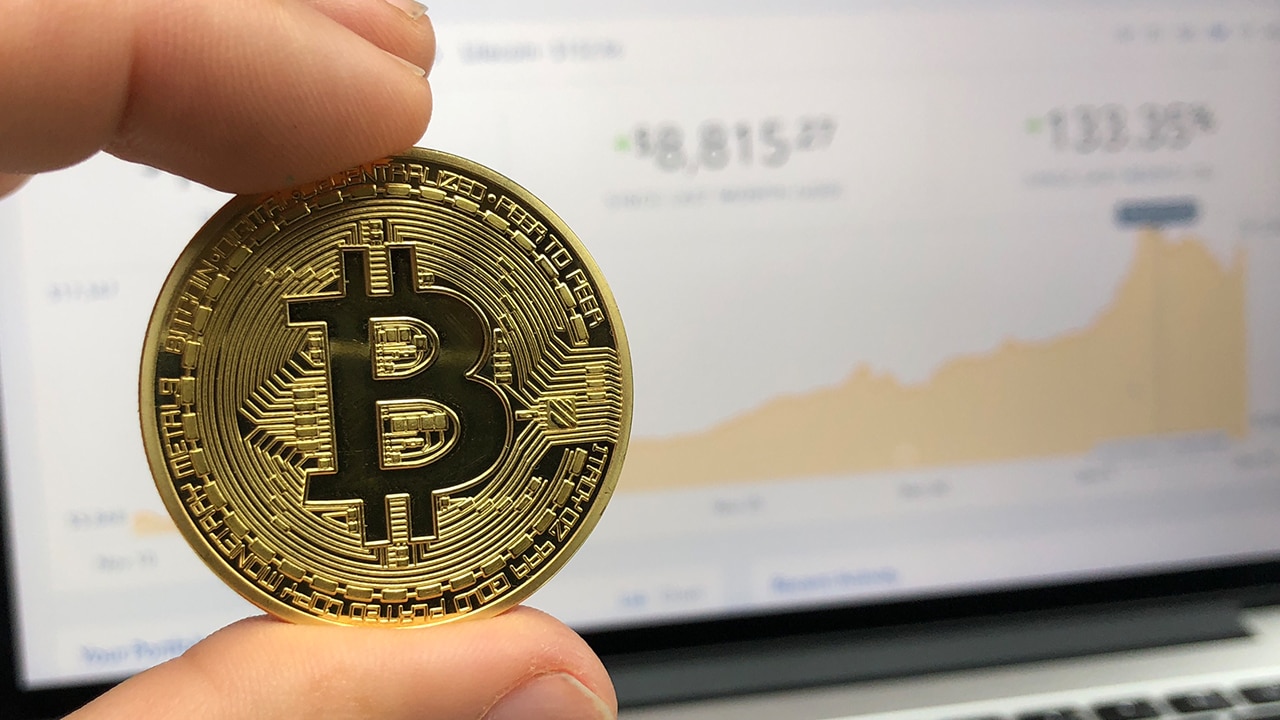
Representational image. Reuters[/caption]The statement has since been cleared to establish that this was not the case, and only limited uses as legal tender and for illegal activities were not allowed. This article evaluates the legal implications of this statement on the various uses of cryptocurrencies in India:The current stand on VCs in IndiaThe statement made by the Finance Minister was-‘… the government does not consider crypto-currencies legal tender or coin and will take all measures to eliminate the use of these crypto-assets in financing illegitimate activities or as part of the payment system...’What this statement indicates is, firstly, that cryptocurrencies or virtual currencies (VCs) are not legal tender, i.e., they are not a recognized, legal currency in India. This simply reiterates the stand that the Indian government always had on VCs. Secondly, the use of a cryptocurrency to finance illegitimate activities, in any form, is not allowed. This means that illegal uses of VCs are not allowed. Thirdly, their use as a legal currency, in a payment system is not allowed. This indicates that since VCs are not legal tender, they cannot be used to make payments, as a part of a payment system.Use as a ‘payment system’Legally, the term ‘payment system’, as per the Payment and Settlement Systems Act, refers to a system which enables payment between a payer and a beneficiary. The RBI gives a list of such payment systems in India, which includes, for example, a mobile wallet that enables payments, mobile banking, ATMs or a system like NEFT or IMPS. Online payment gateways are another example of infrastructure enabling payments.[caption id="attachment_4254203" align="alignnone" width="1280"]![Bitcoin (virtual currency) coins placed on Dollar banknotes are seen in this illustration picture, November 6, 2017. Image: Reuters]() Bitcoin (virtual currency) coins placed on Dollar banknotes are seen in this illustration picture, November 6, 2017. Image: Reuters[/caption]While it is unclear if the Finance Minister was referring to payment systems precisely as defined, the definition gives an indication of what the statement could imply. By this definition, the use of VCs on any of these authorized payment systems is not allowed. The result is that you likely cannot upload your mobile wallet with VCs, or similarly cannot purchase goods over a payment gateway using VCs.The point simply reiterates the governmental stand that VCs are not legal tender and thus cannot be used as such. The impact is that while VCs cannot be used as legal tender, they may be used in other forms, such as-as goods or securities. In a previous notification in February 2017, the RBI stated that dealing with investors, traders, holders, etc. of VCs is at the users' own risk, indicating that such uses, except for a use in a payment system, are not prohibited (See previous notifications- December 2013, February 2017 and December 2017). This indicates that such uses are unregulated, but not illegal.International approach to regulating VCsVCs (to the best of the author’s knowledge) have so far not been declared to be legal tender in any jurisdiction. Despite this, many laws have been passed regulating their use. This indicates that not having the status of legal tender does not affect the use of VCs in other forms.
Bitcoin (virtual currency) coins placed on Dollar banknotes are seen in this illustration picture, November 6, 2017. Image: Reuters[/caption]While it is unclear if the Finance Minister was referring to payment systems precisely as defined, the definition gives an indication of what the statement could imply. By this definition, the use of VCs on any of these authorized payment systems is not allowed. The result is that you likely cannot upload your mobile wallet with VCs, or similarly cannot purchase goods over a payment gateway using VCs.The point simply reiterates the governmental stand that VCs are not legal tender and thus cannot be used as such. The impact is that while VCs cannot be used as legal tender, they may be used in other forms, such as-as goods or securities. In a previous notification in February 2017, the RBI stated that dealing with investors, traders, holders, etc. of VCs is at the users' own risk, indicating that such uses, except for a use in a payment system, are not prohibited (See previous notifications- December 2013, February 2017 and December 2017). This indicates that such uses are unregulated, but not illegal.International approach to regulating VCsVCs (to the best of the author’s knowledge) have so far not been declared to be legal tender in any jurisdiction. Despite this, many laws have been passed regulating their use. This indicates that not having the status of legal tender does not affect the use of VCs in other forms.![BitCoin 720]() Many countries have refrained from actively classifying and regulating VCs as (for example) currency, property or securities, given the wide range of uses they are being put to. A more common approach is to look at how VCs are used in a given transaction and address its legality based on that. A common definition of VCs under foreign laws is thus as a type of digital unit that is used as a medium of exchange or a form of stored value but is not legal tender.Regulations also often impose requirements on the actors in the VC industry, such as the licensing requirements under the New York BitLicense, or the EU’s imposition of KYC requirements.Looking at uses of VCsThe key issue, in determining the legality or illegality of VC related activities, is thus often determined by the nature of the underlying activity, and the use to which VCs have been put to in that activity. VCs may, thus, act as a payment method, as securities or as goods (in all cases still not legal tender) and attract different laws accordingly.A look at some of the approaches international regulators have taken is indicative of the kind of transactions that are clearly illegal, and those which remain in the unregulated area. Here, some transactions are assessed based on the stand of foreign regulators:
Many countries have refrained from actively classifying and regulating VCs as (for example) currency, property or securities, given the wide range of uses they are being put to. A more common approach is to look at how VCs are used in a given transaction and address its legality based on that. A common definition of VCs under foreign laws is thus as a type of digital unit that is used as a medium of exchange or a form of stored value but is not legal tender.Regulations also often impose requirements on the actors in the VC industry, such as the licensing requirements under the New York BitLicense, or the EU’s imposition of KYC requirements.Looking at uses of VCsThe key issue, in determining the legality or illegality of VC related activities, is thus often determined by the nature of the underlying activity, and the use to which VCs have been put to in that activity. VCs may, thus, act as a payment method, as securities or as goods (in all cases still not legal tender) and attract different laws accordingly.A look at some of the approaches international regulators have taken is indicative of the kind of transactions that are clearly illegal, and those which remain in the unregulated area. Here, some transactions are assessed based on the stand of foreign regulators:![A copy of bitcoin standing on PC motherboard is seen in this illustration picture, October 26, 2017. Picture taken October 26, 2017. REUTERS/Dado Ruvic - RC1E130E5300]() A copy of bitcoin standing on PC motherboard is seen in this illustration picture, October 26, 2017. Picture taken October 26, 2017. REUTERS/Dado Ruvic - RC1E130E5300[/caption]The declaration by the Indian government that VCs as not legal tender, thus, prevents its use as an official currency, to settle debts and financial obligations. Looking at Japan’s stand, it is very much possible for something which is not legal tender to be used as a payment method for the purchase of goods and services. Thus previously, VCs were not legal tender in India, but could possibly still be used as a payment method. However, the new statement of the Finance Minister preventing the use of VCs in a payment system indicates that such payments will not be possible in India.While VCs thus cannot be used as payment, they may still be used to buy goods and services as a barter system. In such a system, the VCs would be treated as goods or property, and not legal tender. Such a use would remain in the unregulated area.
A copy of bitcoin standing on PC motherboard is seen in this illustration picture, October 26, 2017. Picture taken October 26, 2017. REUTERS/Dado Ruvic - RC1E130E5300[/caption]The declaration by the Indian government that VCs as not legal tender, thus, prevents its use as an official currency, to settle debts and financial obligations. Looking at Japan’s stand, it is very much possible for something which is not legal tender to be used as a payment method for the purchase of goods and services. Thus previously, VCs were not legal tender in India, but could possibly still be used as a payment method. However, the new statement of the Finance Minister preventing the use of VCs in a payment system indicates that such payments will not be possible in India.While VCs thus cannot be used as payment, they may still be used to buy goods and services as a barter system. In such a system, the VCs would be treated as goods or property, and not legal tender. Such a use would remain in the unregulated area.![The cryptocurrency market is volatile]() The cryptocurrency market is volatile[/caption]The Finance Minister’s statement, on the whole, indicate a cautious, but not prohibitory approach to VCs. The recognition of Blockchain technology and its uses is another positive development. Various reports since the Finance Minister’s statement have indicated that the government is likely to come out with an official position on such other uses of cryptocurrencies soon. An official government stand will go a long way in clarifying what can and cannot be done with cryptocurrencies.Disclaimer- Readers must keep in mind that the legality of a given VC related transaction varies greatly based on the details of the transaction. This discussion is for general purposes only and is not to be construed as legal advice. Readers must note that the RBI has cautioned users against the risks of VCs, VCs are not legal tender and cannot be used as such, and other uses of VCs are unregulated. The author is a lawyer and author specializing in technology laws. She is also a certified information privacy professional.
The cryptocurrency market is volatile[/caption]The Finance Minister’s statement, on the whole, indicate a cautious, but not prohibitory approach to VCs. The recognition of Blockchain technology and its uses is another positive development. Various reports since the Finance Minister’s statement have indicated that the government is likely to come out with an official position on such other uses of cryptocurrencies soon. An official government stand will go a long way in clarifying what can and cannot be done with cryptocurrencies.Disclaimer- Readers must keep in mind that the legality of a given VC related transaction varies greatly based on the details of the transaction. This discussion is for general purposes only and is not to be construed as legal advice. Readers must note that the RBI has cautioned users against the risks of VCs, VCs are not legal tender and cannot be used as such, and other uses of VCs are unregulated. The author is a lawyer and author specializing in technology laws. She is also a certified information privacy professional.
 Representational image. Reuters[/caption]The statement has since been cleared to establish that this was not the case, and only limited uses as legal tender and for illegal activities were not allowed. This article evaluates the legal implications of this statement on the various uses of cryptocurrencies in India:The current stand on VCs in IndiaThe statement made by the Finance Minister was-‘… the government does not consider crypto-currencies legal tender or coin and will take all measures to eliminate the use of these crypto-assets in financing illegitimate activities or as part of the payment system...’What this statement indicates is, firstly, that cryptocurrencies or virtual currencies (VCs) are not legal tender, i.e., they are not a recognized, legal currency in India. This simply reiterates the stand that the Indian government always had on VCs. Secondly, the use of a cryptocurrency to finance illegitimate activities, in any form, is not allowed. This means that illegal uses of VCs are not allowed. Thirdly, their use as a legal currency, in a payment system is not allowed. This indicates that since VCs are not legal tender, they cannot be used to make payments, as a part of a payment system.Use as a ‘payment system’Legally, the term ‘payment system’, as per the Payment and Settlement Systems Act, refers to a system which enables payment between a payer and a beneficiary. The RBI gives a list of such payment systems in India, which includes, for example, a mobile wallet that enables payments, mobile banking, ATMs or a system like NEFT or IMPS. Online payment gateways are another example of infrastructure enabling payments.[caption id="attachment_4254203" align="alignnone" width="1280"]
 Bitcoin (virtual currency) coins placed on Dollar banknotes are seen in this illustration picture, November 6, 2017. Image: Reuters[/caption]While it is unclear if the Finance Minister was referring to payment systems precisely as defined, the definition gives an indication of what the statement could imply. By this definition, the use of VCs on any of these authorized payment systems is not allowed. The result is that you likely cannot upload your mobile wallet with VCs, or similarly cannot purchase goods over a payment gateway using VCs.The point simply reiterates the governmental stand that VCs are not legal tender and thus cannot be used as such. The impact is that while VCs cannot be used as legal tender, they may be used in other forms, such as-as goods or securities. In a previous notification in February 2017, the RBI stated that dealing with investors, traders, holders, etc. of VCs is at the users' own risk, indicating that such uses, except for a use in a payment system, are not prohibited (See previous notifications- December 2013, February 2017 and December 2017). This indicates that such uses are unregulated, but not illegal.International approach to regulating VCsVCs (to the best of the author’s knowledge) have so far not been declared to be legal tender in any jurisdiction. Despite this, many laws have been passed regulating their use. This indicates that not having the status of legal tender does not affect the use of VCs in other forms.
 Many countries have refrained from actively classifying and regulating VCs as (for example) currency, property or securities, given the wide range of uses they are being put to. A more common approach is to look at how VCs are used in a given transaction and address its legality based on that. A common definition of VCs under foreign laws is thus as a type of digital unit that is used as a medium of exchange or a form of stored value but is not legal tender.Regulations also often impose requirements on the actors in the VC industry, such as the licensing requirements under the New York BitLicense, or the EU’s imposition of KYC requirements.Looking at uses of VCsThe key issue, in determining the legality or illegality of VC related activities, is thus often determined by the nature of the underlying activity, and the use to which VCs have been put to in that activity. VCs may, thus, act as a payment method, as securities or as goods (in all cases still not legal tender) and attract different laws accordingly.A look at some of the approaches international regulators have taken is indicative of the kind of transactions that are clearly illegal, and those which remain in the unregulated area. Here, some transactions are assessed based on the stand of foreign regulators:
- Purchase of goods/ services-
 A copy of bitcoin standing on PC motherboard is seen in this illustration picture, October 26, 2017. Picture taken October 26, 2017. REUTERS/Dado Ruvic - RC1E130E5300[/caption]The declaration by the Indian government that VCs as not legal tender, thus, prevents its use as an official currency, to settle debts and financial obligations. Looking at Japan’s stand, it is very much possible for something which is not legal tender to be used as a payment method for the purchase of goods and services. Thus previously, VCs were not legal tender in India, but could possibly still be used as a payment method. However, the new statement of the Finance Minister preventing the use of VCs in a payment system indicates that such payments will not be possible in India.While VCs thus cannot be used as payment, they may still be used to buy goods and services as a barter system. In such a system, the VCs would be treated as goods or property, and not legal tender. Such a use would remain in the unregulated area.
- Exchanges and trading-
- ICOs-
- Mining bitcoins-
 The cryptocurrency market is volatile[/caption]The Finance Minister’s statement, on the whole, indicate a cautious, but not prohibitory approach to VCs. The recognition of Blockchain technology and its uses is another positive development. Various reports since the Finance Minister’s statement have indicated that the government is likely to come out with an official position on such other uses of cryptocurrencies soon. An official government stand will go a long way in clarifying what can and cannot be done with cryptocurrencies.Disclaimer- Readers must keep in mind that the legality of a given VC related transaction varies greatly based on the details of the transaction. This discussion is for general purposes only and is not to be construed as legal advice. Readers must note that the RBI has cautioned users against the risks of VCs, VCs are not legal tender and cannot be used as such, and other uses of VCs are unregulated. The author is a lawyer and author specializing in technology laws. She is also a certified information privacy professional.
First Published:Feb 04, 2018, 10:37:44 IST
Advertisement
Advertisement

Why AI notetakers are raising serious privacy and security concerns
AI notetakers promise effortless meeting summaries, but experts warn they could expose confidential conversations, corporate secrets and personal voiceprints. As businesses increasingly adopt AI-powered meeting assistants, questions over data storage, privacy, consent and legal risks are becoming impossible to ignore
5 min read
China's low-cost AI models are changing the global AI race. Here's why Silicon Valley is worried
As Chinese firms continue to improve performance while keeping prices low, the AI race is no longer just about building the smartest model—it is increasingly becoming a battle over who can deliver the best value
2 min read
China's Kimi K3 challenges US AI leaders with frontier-level performance at lower cost
Chinese artificial intelligence startup Moonshot AI has unveiled its latest open-weight AI model, Kimi K3, with early results suggesting it could compete with some of the world's most advanced AI systems developed by leading US companies
2 min read
How did Instagram run ads promoting child abuse in India?
India has issued a notice to Meta after an investigation alleged that Instagram displayed paid advertisements promoting child sexual abuse material. MeitY ordered Meta to remove such Instagram ads and explain within seven days how they were approved
8 min read
Why has India halted WhatsApp’s username feature before launch?
India has halted WhatsApp’s planned username feature, citing concerns about cybercrime, impersonation, and law enforcement challenges. As Meta races to address security concerns, here’s why MeitY has paused the rollout, what the feature does, and how it could influence privacy and online safety in India
3 min read
Advertisement
Advertisement