


Gates Annual Letter discusses women empowerment, DNA kits, next-gen toilets and more
For the 2019 annual letter, Bill and Melinda Gates discuss nine surprising things they didn't see coming in 2018.


Bill and Melinda Gates. Image: Reuters[/caption]
DNA Test Kits
At-home DNA test kits got a mention in Gates' annual letter. Bill spoke about the importance of DNA testing and how it is helping in forensics as well as preventing premature birth. He spoke about how a health startup 23AndMe (funded by Gates Foundation) helped scientists analyse 40,000 voluntary DNA samples and discover a link between preterm labour and six genes.According to the study, one of the genes that prevents the processing of a mineral called selenium, was related to mothers who were most likely to deliver premature babies. The problem with premature babies (around 15 mn are born premature annually making it a leading cause of death for children under the age of five) is that the mortality rate is higher in low-income families.[caption id="attachment_6077641" align="alignnone" width="1280"]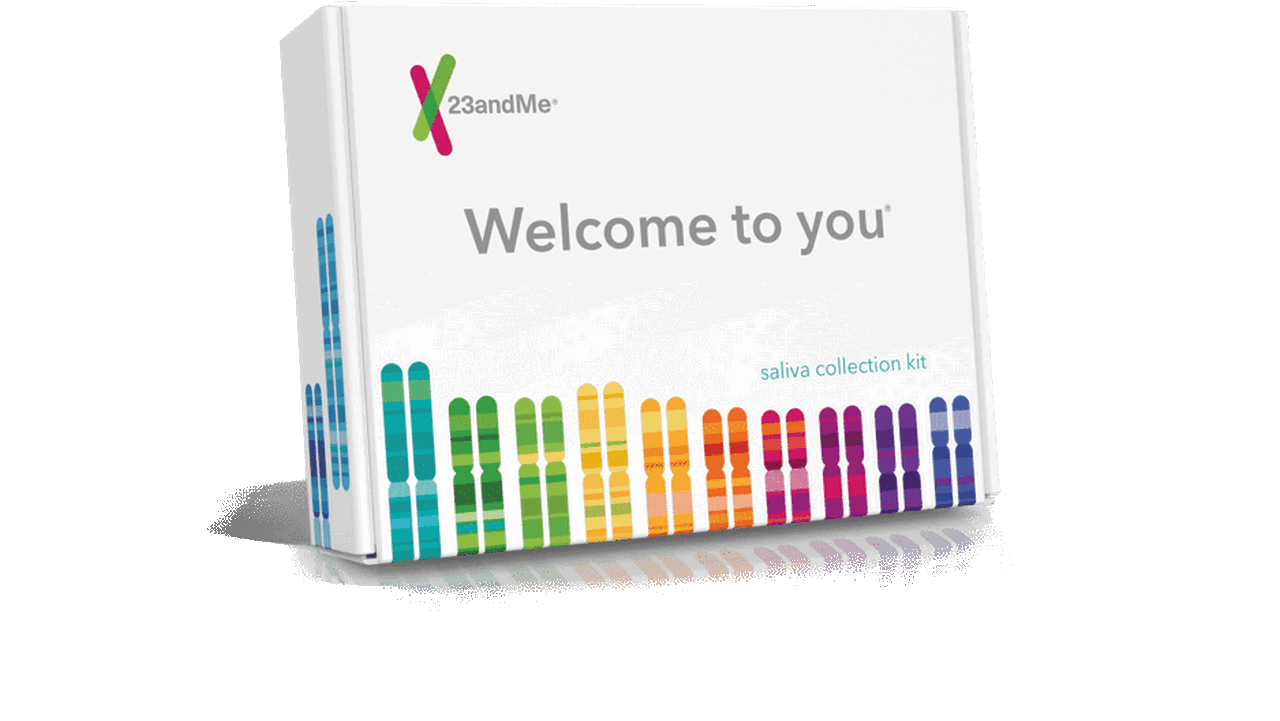
23AndMe DNA testing Kit. Image: 23AndMe[/caption]The lesson from this research by 23AndMe was that with at-home DNA-testing kits, more data sharing on the topic could throw light on resolving issues related to prematurity. Gates also touched upon a simple blood test for prematurity that is being researched at Stanford which would tell a woman how soon she would give birth.
Grand Challenges in Climate Change
Mobile phones — a powerful tool in the hands of poor women
Speaking about the importance of connectivity to solve issues pertaining to marginalisation, Melinda Gates spoke about how a mobile phone has the potential of opening up many avenues for women belonging to the lower-income group. According to her, women are using mobile phones to not just improve their living situations but also to challenge social norms and power structures that perpetuate gender inequality.
Need for next-gen toilet design
Sexist Data
Gates raised the issue of a general lack of data when it comes to women and girls, to the extent that a lot of the big data we have is sexist in nature. Data on aspects such as income earned by women in developing countries, property owned by women or the number of additional hours girls spend doing household chores over boys is not known. Unless there's enough data on these and more such women's issues, there is no way better policies will be drafted in women's favour feel the Gates couple."The problem isn’t only that some women are missing from the record altogether. It’s also that the data we do have—data that policymakers depend on—is bad. You might even call it sexist. We like to think of data as being objective, but the answers we get are often shaped by the questions we ask. When those questions are biased, the data is too," says Melinda Gates.Other challengesFour more challenges facing the world were discussed such as the need to invest more in Africa as its lowest median age population has a lot of potential to shape the future of the world. Learning about anger management from teenage boys. A nationalist case for globalism and much more.
 More from News Analysis
Why AI notetakers are raising serious privacy and security concerns
China's low-cost AI models are changing the global AI race. Here's why Silicon Valley is worried
China's Kimi K3 challenges US AI leaders with frontier-level performance at lower cost
How did Instagram run ads promoting child abuse in India?
Why has India halted WhatsApp’s username feature before launch?