


DSLR cameras found to be vulnerable to ransomware attack over Wi-Fi and USB: Report
Hackers could easily transfer malware on the camera using the Picture Transfer Protocol (PTP), which is unauthenticated

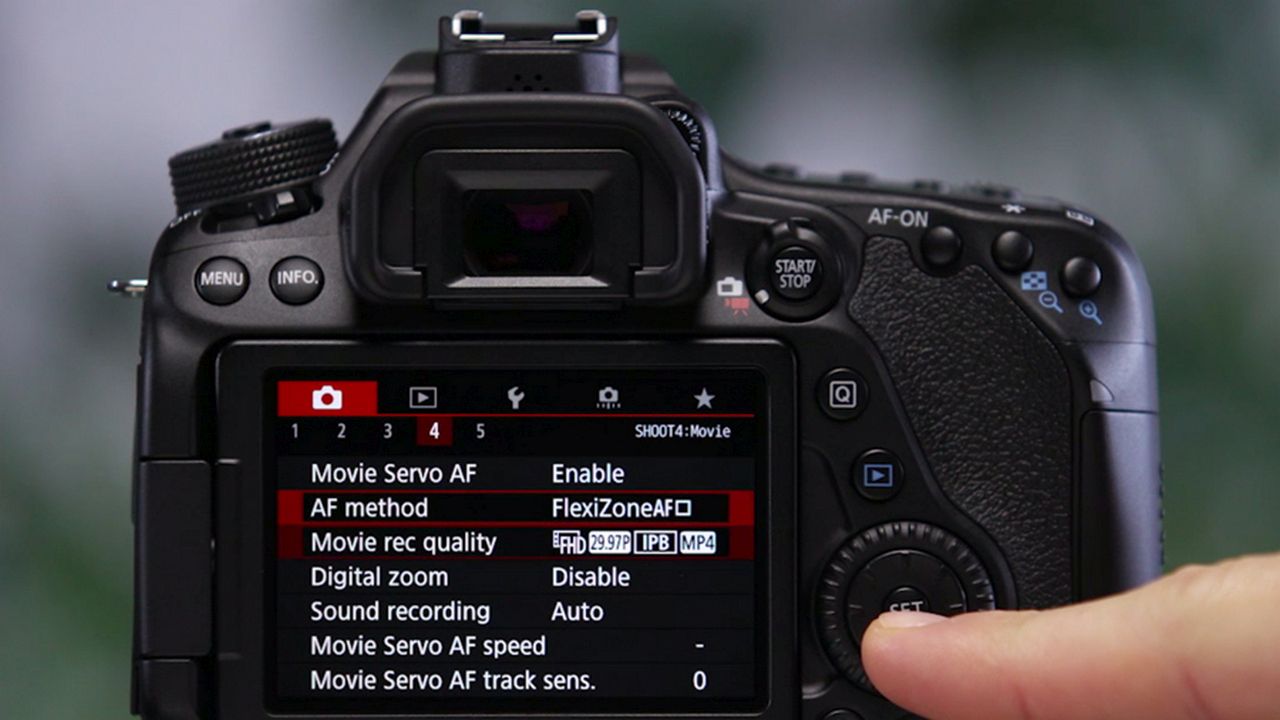
Canon 80D[/caption]PTP was initially only meant to transfer images, but can now be used for many things such as taking live photographs, upgrading camera firmware, among other things.New camera models supporting Wi-Fi let you transfer images over Wi-Fi. This wasn't the case earlier when you had to either transfer images from your SD card using a card reader or connect your camera to your PC using a USB port. Wi-Fi makes the cameras ripe for the taking for attackers with malicious intent. Imagine you are on a holiday and have many GBs worth of photos stored on your SD card. A hacker can remotely encrypt your SD Card and you won't be able to access the photos unless you pay the hacker.Here's how you can avoid your camera from being a victim:
- Make sure your camera is using the latest firmware version, and install a patch if available. Canon has released one.
- Turn off the camera's Wi-Fi when not in use.
- When using Wi-Fi, prefer using the camera as the Wi-Fi access point, rather than connecting your camera to a public Wi-Fi network.

Why AI notetakers are raising serious privacy and security concerns
China's low-cost AI models are changing the global AI race. Here's why Silicon Valley is worried
China's Kimi K3 challenges US AI leaders with frontier-level performance at lower cost
How did Instagram run ads promoting child abuse in India?
Why has India halted WhatsApp’s username feature before launch?